Parker Schnabel’s Crew Salaries Revealed: Inside the Economics of Gold Rush Mining
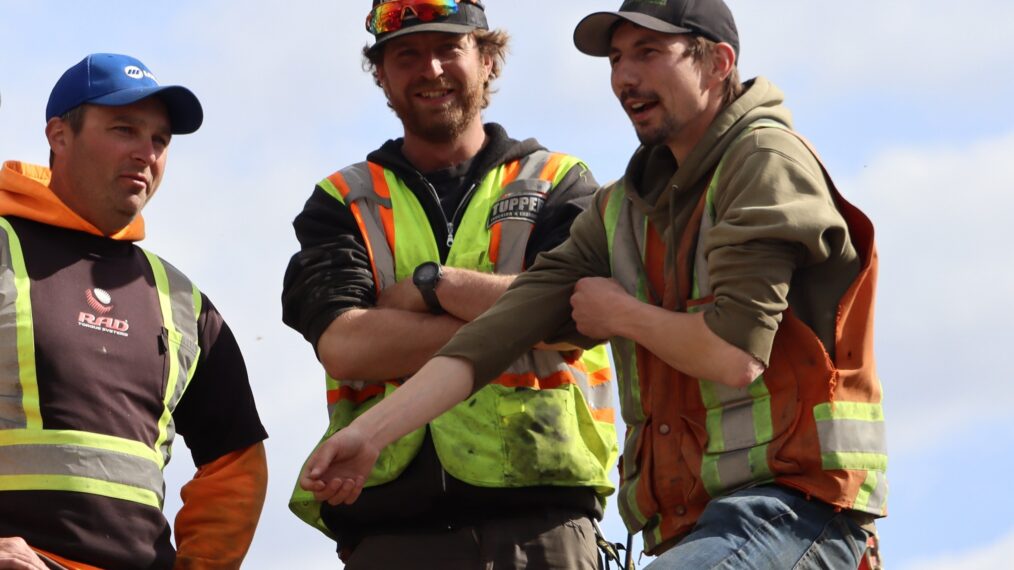
For more than a decade, Gold Rush has introduced viewers to the relentless work of Alaskan and Yukon gold miners—none more prominent than Parker Schnabel. The 29-year-old miner has become one of the franchise’s most successful and recognisable figures, known for his ambitious targets, high-stakes investments and an operation that runs with the intensity of a major industrial enterprise. Yet while cameras often follow Schnabel himself, far less attention is given to the dozens of workers who keep his mining business moving. How much do they earn, and what does life inside the Schnabel workforce actually look like?
A recent resurfaced conversation from Gold Rush: The Dirt—the behind-the-scenes companion series—has shed new light on the financial realities of working for one of the show’s most sought-after employers. During Season 8, Episode 1, host Christo Doyle asked Schnabel about the wage structure he offers his workers. The miner, known for his blunt honesty, did not hesitate to provide an answer: roughly $140,000 for six months of work.
The figure immediately reignited debate among fans about whether mining truly represents one of reality television’s highest-earning trades. Schnabel clarified that the amount represents a typical total package for experienced employees over the course of a full mining season. That season is short, but extremely intense. While it spans only half a calendar year, the hours worked are far from ordinary. As one Reddit user observed, it is better understood as “18 months of work compressed into six months,” with shifts often running 12–14 hours a day, seven days a week, depending on weather and production targets.
Another factor is currency: the figure, Schnabel noted, may have been quoted in Canadian dollars. Still, even accounting for exchange rate variation, the base pay remains substantial. Parker also stated that the number is not a guaranteed amount for every employee, but rather a representative estimate that incorporates bonus structures tied to performance.

More recently, Schnabel offered further clarity during an online Q&A, stating that his entry-level workers typically earn a median wage of around $34 per hour, while many roles demand significantly more experience and therefore command higher pay rates. Rock truck drivers—who perform one of the more repetitive yet crucial duties in the mining chain—may average around $40,000 per season, depending on hours and responsibilities. Heavy-equipment operators, mechanics, and foremen often earn far more.
Schnabel has made no secret of the fact that the work is not for everyone. “The only thing you stand to lose is time,” he commented when discussing the rigours of the profession. Mining requires physical stamina, mental resilience and a willingness to endure long periods away from home. Remote camp life, harsh weather and the intense pressure to meet production targets all contribute to a demanding environment. But for those able to handle the challenges, the earning potential remains unusually competitive.
Another revenue stream adds to the appeal: payment from Discovery Channel for participating in the television series. While not all crew members appear regularly on camera, those who do may receive between $10,000 and $25,000 per episode, depending on their seniority and role within the show. Veteran miner Jack Hoffman, for example, is believed to earn around $10,000 per episode. For Schnabel’s core workers, this supplementary income can significantly raise total annual compensation.
In addition to wages and bonuses, there are financial benefits that reduce the cost of living during the mining season. Crew members typically do not pay for housing, food or transport while working on Schnabel’s claims. These expenses, which might otherwise consume a large portion of income in other professions, are covered by the operation. When factored into overall financial stability, the package is even more attractive to seasonal workers seeking intensive, high-pay employment.
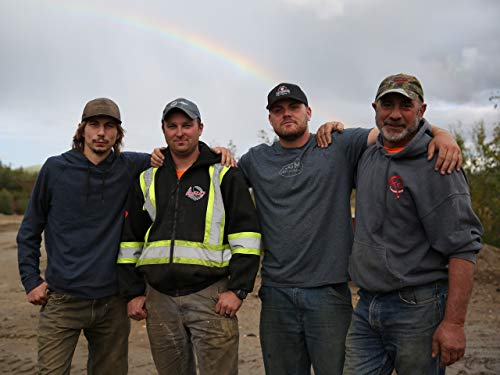
It is also worth noting that bonus structures—while rarely disclosed publicly—play a meaningful role in total compensation. Schnabel has indicated that bonuses are tied to gold production and team performance, though specific figures remain confidential. Crew members have described these bonuses as “significant,” particularly in seasons when the operation meets or exceeds targets.
Still, despite the financial rewards, gold mining remains one of the most labour-intensive industries featured on reality television. Viewers have seen the toll it takes firsthand: long days operating heavy machinery, nighttime equipment repairs, constant mechanical breakdowns, and the ever-present uncertainty of whether the ground will yield enough gold to justify the effort.
For those considering entering the profession, the message is clear: mining will not make most workers millionaires, but it can offer a strong seasonal income to those prepared to work at an extraordinary pace. As Schnabel himself has put it, the job is not glamorous—but for the right kind of worker, it is one of the most financially rewarding six-month opportunities available anywhere in the North American labour market.
In an industry where fortunes can shift with every bucket of dirt, one fact remains consistent: Parker Schnabel pays well for those willing to endure the grind that fuels his success.