Parker Tries The Most Advanced Floating Wash Plant In The World!
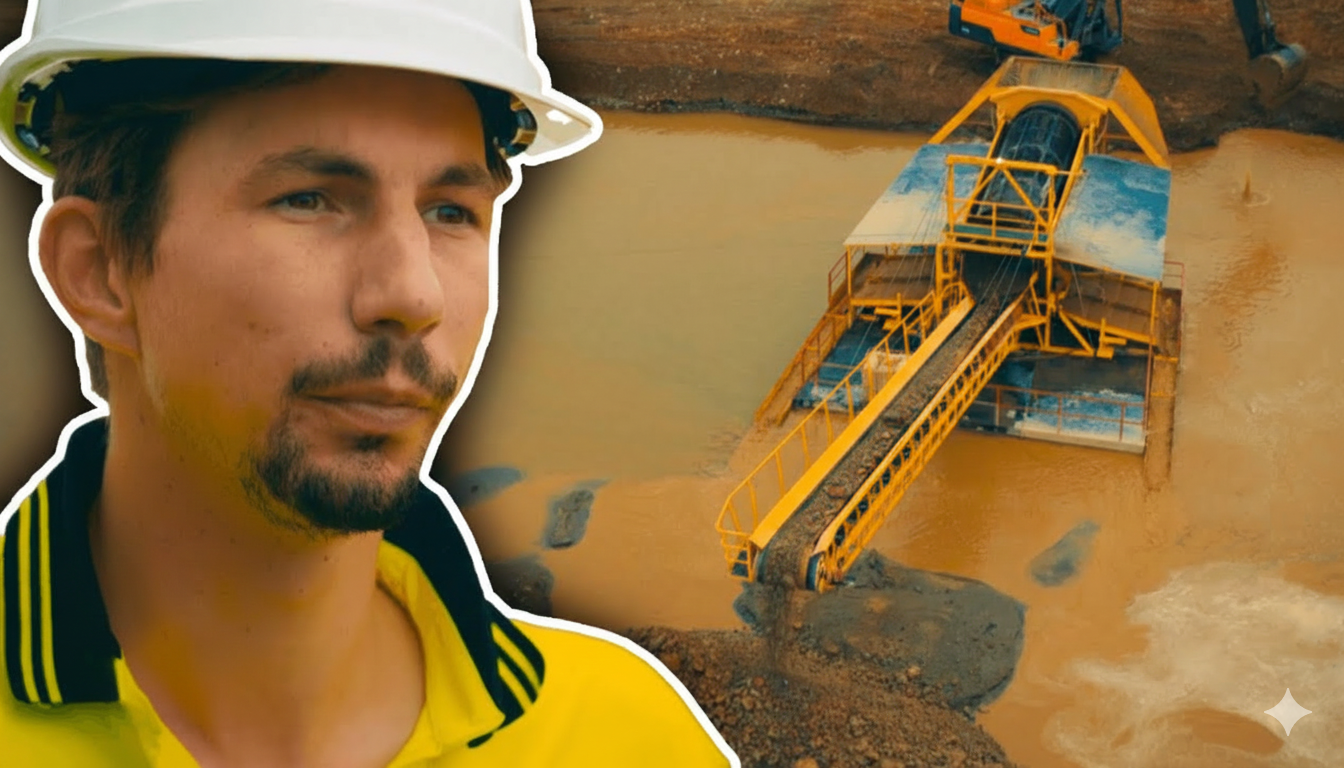
On the rugged West Coast of New Zealand’s South Island, gold miner JD has spent more than a year refining what he believes is the future of placer mining: a floating wash plant engineered with precision, efficiency, and environmental responsibility at its core. Built to operate year-round on a 250-acre valley plain rich with gold, the plant is widely regarded as one of the most technically advanced floating systems ever constructed. Yet when Parker Schnabel arrived to test it for his Alaskan operation, admiration did not automatically translate into adoption.
JD’s concept is striking in both design and execution. By flooding a quarter-acre pond, the entire wash plant floats, eliminating the need for extensive earthworks. The system—known as a six-foot “Neon Improved” floater—integrates Bluetooth-connected controls, hydraulic winches, onboard cameras, and illuminated pressure monitors. From inside an excavator cab, a single operator can manage water flow, plant positioning, hopper feed rate, tailings discharge, and winch movement. The goal is simple: maximum efficiency with minimal manpower.
Capable of processing up to 115 cubic yards of pay dirt per hour, the plant comes with a price tag of approximately $445,000. But for JD, the investment is justified by operating costs that are far lower than conventional setups. “It’s a true one-man operation,” he explains. “Everything is controlled from the cab. You don’t need ground crews running around adjusting systems all day.”
For Parker Schnabel, whose Alaskan mines demand constant innovation to stay productive, the plant was immediately impressive. “I’ve been around a lot of wash plants,” he said during testing. “This is probably the nicest, most high-tech floating plant I’ve ever seen.” Unlike older floating systems that relied on manual winches and external controls, JD’s design brings everything into the operator’s seat, making it safer, cleaner, and more intuitive.
The plant’s environmental credentials also stand out. New Zealand enforces strict land reclamation laws, requiring miners to set aside funds and submit detailed rehabilitation plans before permits are issued. JD’s operation reflects those standards. Areas already mined are carefully restored, re-graded, and replanted. “You’ll come back in 18 months and you won’t even be able to tell we were here,” he says. Floating plants, he adds, reduce surface damage and allow for more controlled disturbance of the land.
During Parker’s visit, JD demonstrated how the system works in practice, guiding him through the controls and letting him operate the plant himself. Parker’s reaction was telling. “This is one of the only wash plants I’ve actually enjoyed running,” he said. “It’s simple, responsive, and incredibly well thought out.”
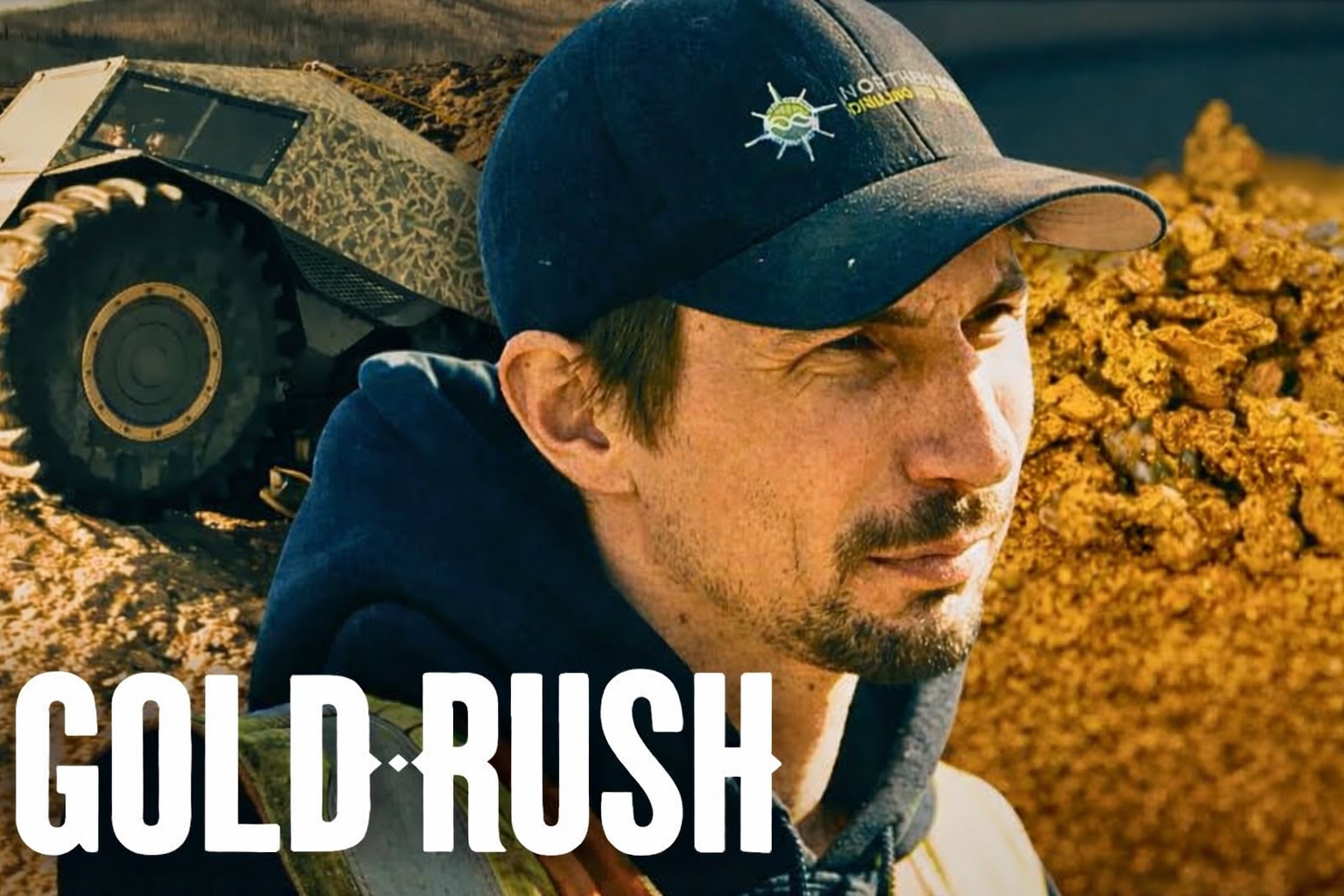
Yet despite the praise, Parker faced a difficult decision. His primary mining ground near Fairbanks, Alaska, presents challenges that differ sharply from the flat, water-rich terrain of New Zealand. Alaskan permafrost creates uneven pit floors, frozen gravel layers, and deep excavation scars that often require reworking. Floating plants thrive on consistent, hard-bottom ground—conditions Parker does not currently have.
“There’s a huge advantage in how cheap this thing is to run,” Parker noted. “But the downside is you don’t always see exactly what you’re digging.” In Alaska, where frozen layers can hide gold beneath uneven bottoms, dry mining allows for more visual control and selective excavation. Floating systems, while efficient, can struggle in heavily fractured or frozen terrain.
JD acknowledged the limitation. “If the bottom was all over the place, you’d probably have to do it dry,” he admitted. For now, Parker agreed. While the plant was nearly perfect for New Zealand conditions, it was not the right match for Fairbanks.
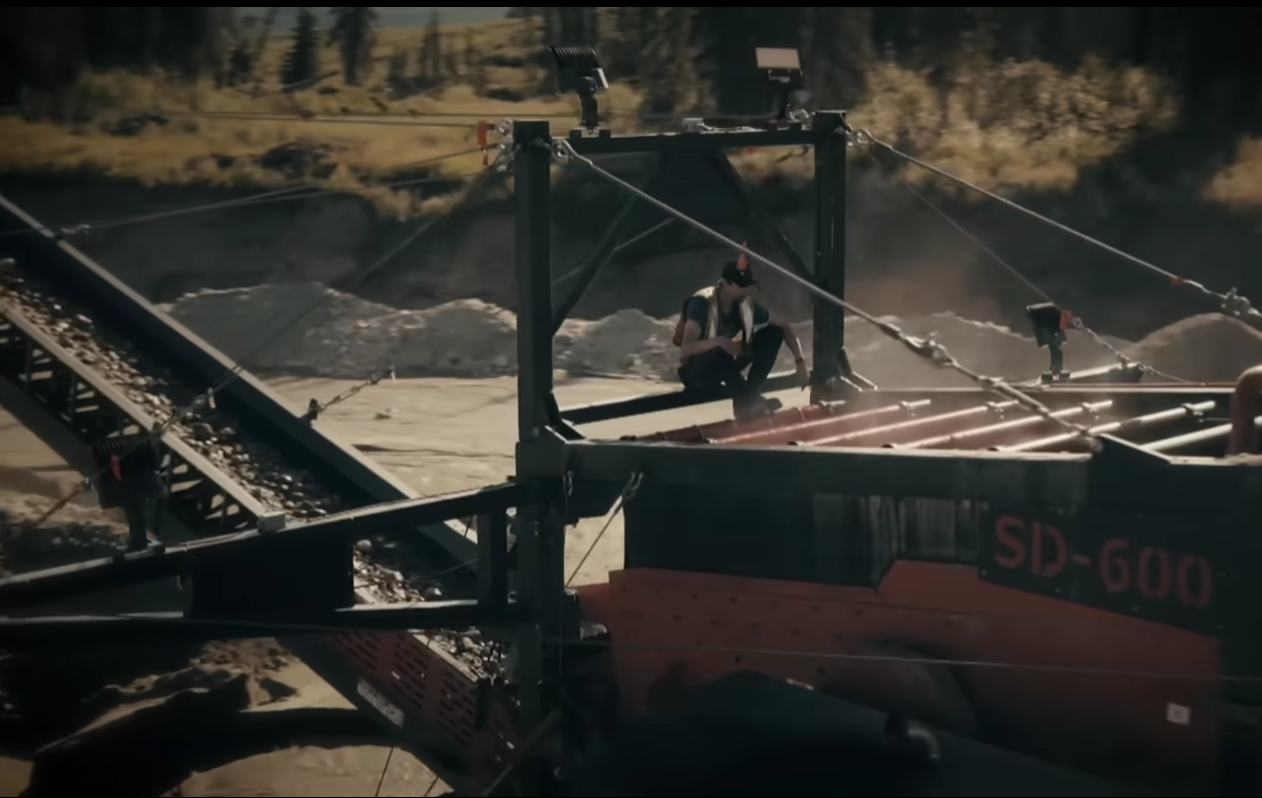
Still, the visit left a lasting impression. “Even though we’re not taking this plant home, it’s made me rethink what a wash plant should be,” Parker said. “I want a machine that’s as perfectly suited to Alaska as this one is to this ground.” He hinted that if he ever secures flatter, water-friendly claims, a floating system like JD’s could become part of his future strategy.
In the end, the trip was less about buying equipment and more about reshaping ideas. JD’s plant stands as proof that mining technology can evolve—becoming cleaner, smarter, and more environmentally conscious—without sacrificing performance. And for Parker Schnabel, it offered a glimpse of what mining could look like when every machine is built with a single purpose in mind.
As gold miners around the world search for ways to improve efficiency while reducing environmental impact, innovations like JD’s floating wash plant may soon move from niche experiments to industry benchmarks. Even if Alaska isn’t ready yet, the future of mining may already be floating quietly on a New Zealand pond.