Parker’s Crew FINALLY Get Paid For Season 16, You Won’t Believe What happened

Season 16 of Gold Rush is rapidly shaping up to be one of the most extraordinary chapters in the history of mining television. With gold prices hovering around an unprecedented $3,500 an ounce, the Yukon has become the setting for a season defined not just by opportunity, but by immense responsibility. Every cut of pay dirt, every hour of runtime, and every mechanical decision now carries a weight unlike anything the crews have faced before.
From the outset, it has been clear that this is not a typical season. Crews are spending more capital than ever, pushing equipment harder, and committing to aggressive schedules in order to take advantage of a gold market that many miners still struggle to believe is real. At these prices, even small cleanups translate into life-changing sums, but the cost of failure has also risen sharply. When production stops, even briefly, the losses are immediate and severe.
At Indian River, Tony Beets has once again demonstrated why his name remains synonymous with large-scale success in the Klondike. His operation came out of the gate fast, delivering strong early returns that immediately set the tone for his season. With hundreds of ounces already secured in the opening weeks, Tony has made it clear that his focus is simple: keep material moving and gold flowing. Indian River is currently the backbone of his operation, and it must run continuously to meet the ambitious targets he has set.
Yet even with experience on his side, the season has not been smooth. Flooded cuts, cracked screens, and constant wear on equipment have tested the crew’s ability to adapt. Despite these obstacles, steady weekly totals have kept Tony on track, reinforcing a familiar truth of northern mining: consistency matters more than perfection. Every ounce recovered now carries far greater value than in past seasons, making even slightly under-target weeks financially significant.
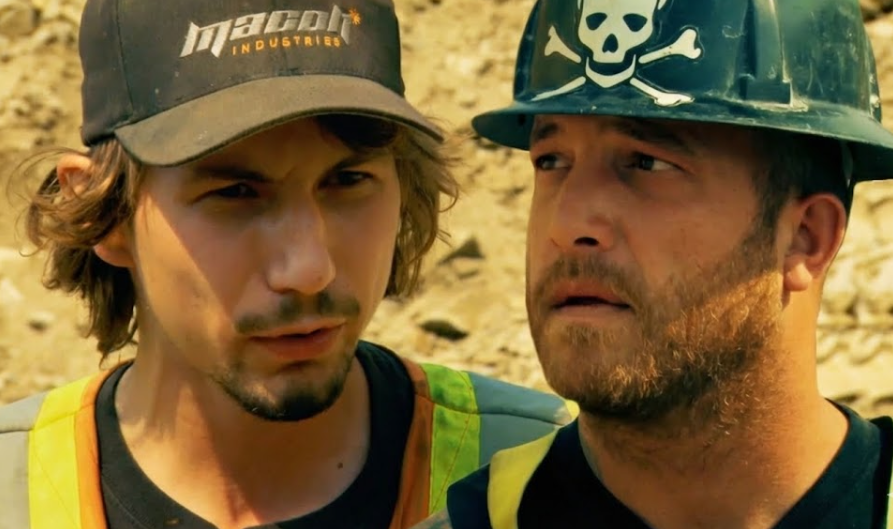
Meanwhile, Parker Schnabel’s season has been defined by expansion, confidence, and early validation. At Dominion Creek, the activation of his wash plant on the Golden Mile marked a critical moment. This ground has long carried a reputation for promise, and the initial results did not disappoint. In just a few days of running, the plant delivered a gold total worth nearly half a million dollars at current prices. For Parker, this early success has provided much-needed momentum as operating costs continue to climb.
Maintaining that pace, however, is the real challenge. Large operations come with constant expenses: fuel, labor, maintenance, and logistics that never pause. Even with strong early returns, Parker knows that sustaining production over an entire season requires discipline, planning, and relentless attention to detail. Rich ground is only part of the equation; execution determines whether potential becomes profit.
At Sulfur Creek, Parker faced perhaps his most uncertain test of the season. This ground had been worked decades earlier, leading many to believe little remained. Significant investment was required just to prepare the site, making the first cleanup a moment of intense anticipation. When the results exceeded expectations, the outcome reshaped the outlook of his entire operation. Combined weekly totals from multiple plants now place Parker far ahead of where he stood at the same point last year, signaling a decisive shift in momentum.
Across his fleet, production numbers have reached levels rarely seen this early in a season. Improvements in recovery rates and increased consistency between sites have allowed Parker to plan with greater confidence. For the first time in weeks, morale across the camp reflects stability rather than uncertainty.
Kevin Beets has faced a more measured start. Working through stockpiled pay dirt, his weekly totals have fallen short of targets, though not alarmingly so. With significant time still remaining in the season, Kevin remains focused on optimizing plant performance and improving throughput. In a year where every ounce carries heightened importance, even modest shortfalls are felt—but they are far from defining.
What sets Season 16 apart is not just the gold totals, but the environment in which they are being achieved. The Yukon remains as unforgiving as ever. Mechanical breakdowns arrive without warning. Flooded pits erase days of progress. Operating costs continue to rise, and crews work under constant financial pressure that few outside the industry truly understand.

Yet, despite these challenges, gold continues to pour from the ground at a historic pace. Between Tony Beets and Parker Schnabel, weekly production now regularly reaches levels once considered exceptional for an entire month. The combination of elevated gold prices and productive ground has created a rare moment in mining history—one that may not come again soon.
Still, seasoned miners know better than to assume stability. Northern seasons can turn quickly. Weather shifts, equipment fatigue, and regulatory limits remain ever-present threats. Success today does not guarantee success tomorrow.
As Season 16 moves forward, one thing is undeniable: this is a year that will be remembered. Not because it was easy, but because it demanded more—more investment, more endurance, and more precision—than any season before it. In the Yukon, nothing is ever given freely. Every ounce is earned, and this year, those ounces are rewriting what is possible.