Parker’s most memorable moments in season 15 that you might not know about.
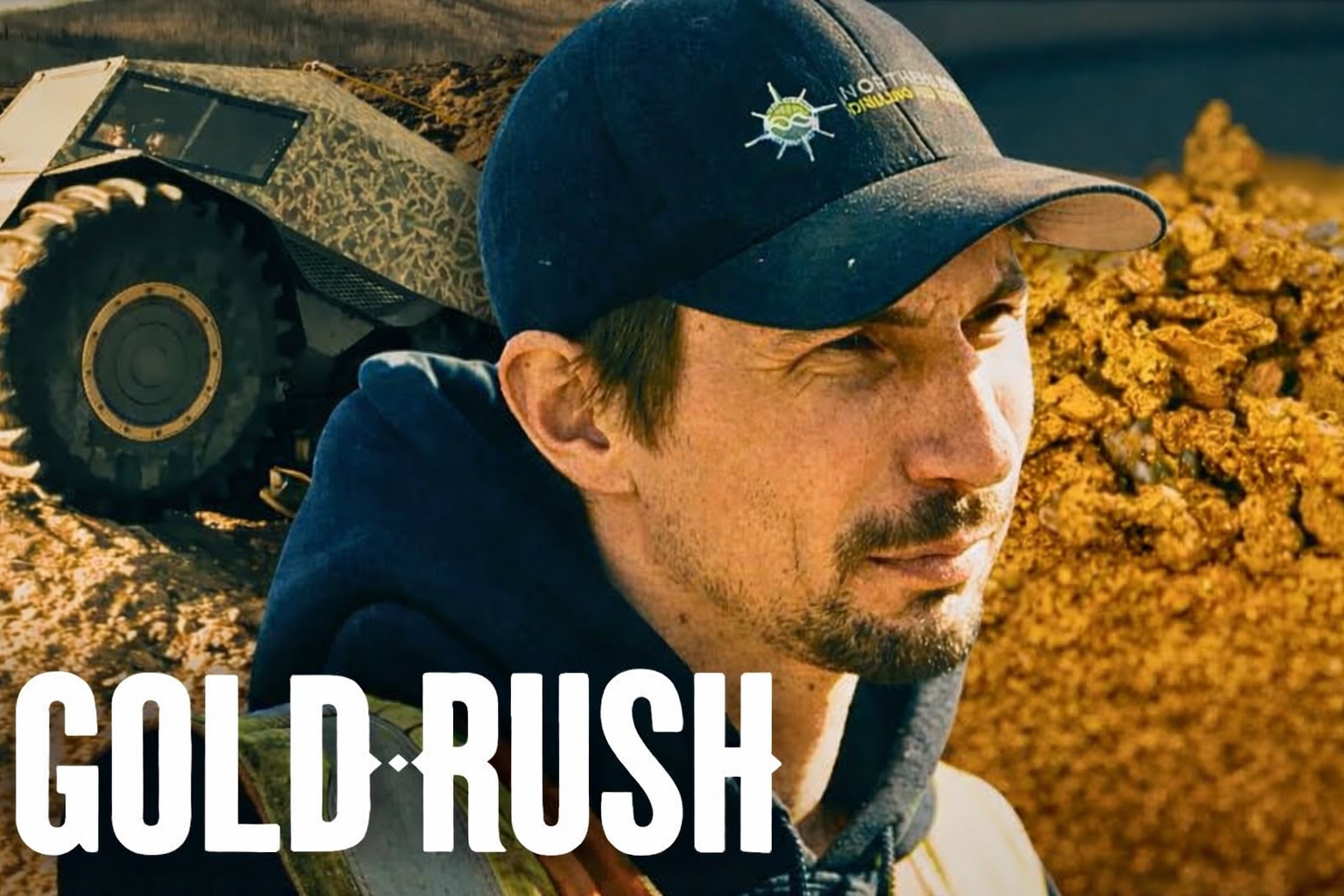
More than 150 miles south of the Arctic Circle, the Klondike remains one of the world’s most demanding goldfields. For generations, miners have been drawn to its valleys by the promise of opportunity, only to discover that success here is never guaranteed. This season, that reality has been felt sharply by Parker Schnabel, one of the region’s most closely watched mine bosses.
At just 29 years old, Schnabel has already recovered more than 63,000 ounces of gold, valued at nearly $100 million. Last year, he took a major step by acquiring the vast Dominion Creek claim, a 7,500-acre property with a limited remaining licence. The scale of the ground and the expectations attached to it marked a turning point in his career.
“There’s only a few years left on the licence,” Schnabel explained earlier in the season. “There’s a lot of ground to get through in that time.”
If Dominion Creek delivers as projected, the returns could be extraordinary. Estimates suggest that over the remaining years, the ground could yield hundreds of millions of dollars in gold. But accessing it requires sustained production at levels Schnabel has never attempted before—more than 10,000 ounces annually.
The plan relied heavily on one area: the Long Cut. At nearly one million square feet, it is the largest single pit Schnabel has prepared. Early inspections suggested promise, with visible gold appearing almost immediately. Optimism ran high as crews prepared to bring wash plants online and push production around the clock.
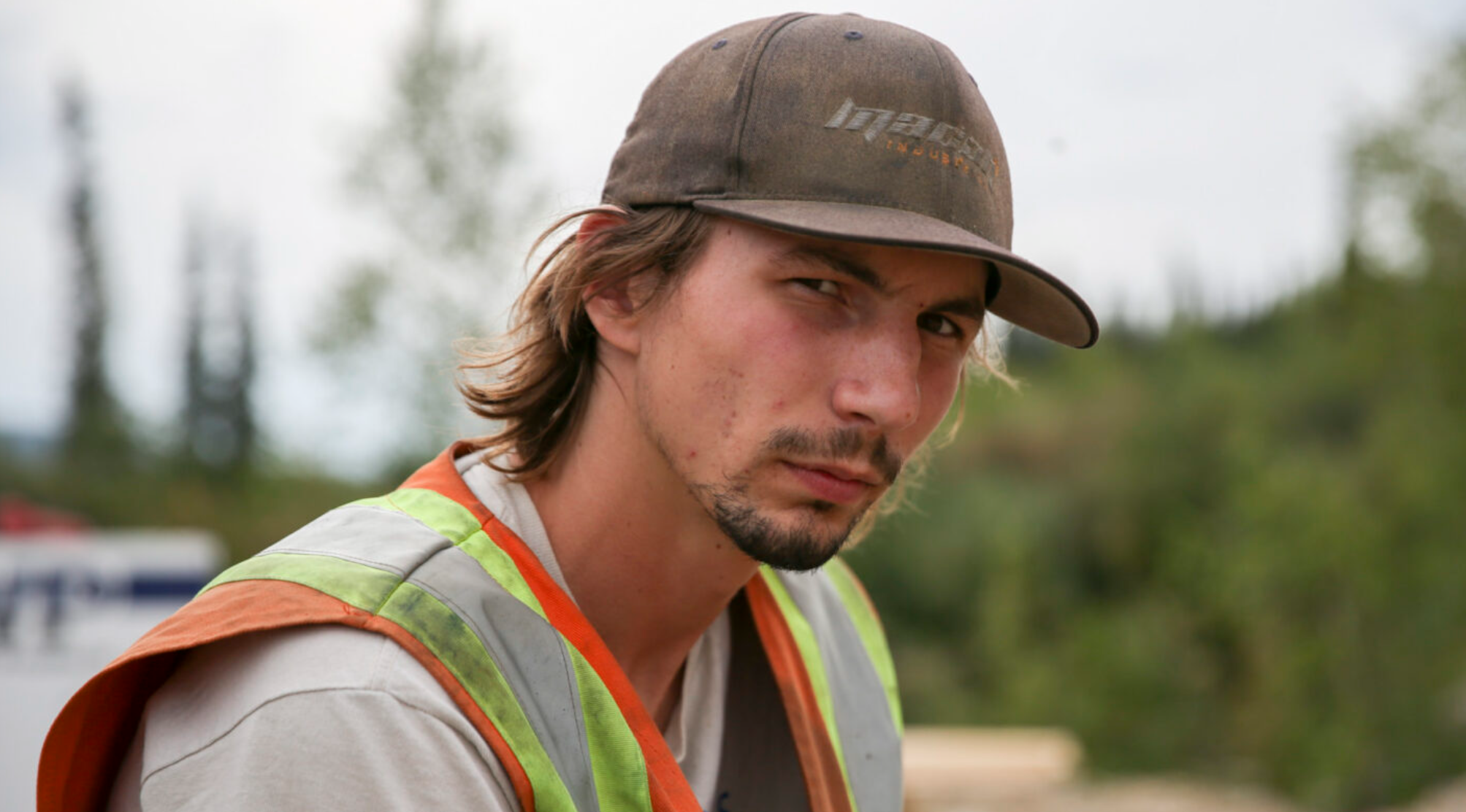
Yet early momentum proved difficult to maintain.
Millions of cubic yards of material must be moved each season at Dominion Creek, and any delays risk creating backlogs that cannot be recovered later. Equipment costs, fuel use, and maintenance expenses have reached unprecedented levels for Schnabel’s operation. “Everything comes at a price,” he admitted. “We’ve spent more money this year than ever before.”
Three weeks into the season, the figures were concerning. Schnabel had recovered just over 36 ounces of his 10,000-ounce target, with no wash plants fully operational. Frozen ground, inconsistent gravel, and unfamiliar terrain complicated progress. While parts of the crew focused on stripping future cuts, the Long Cut—expected to deliver early gold—continued to present problems.
“It’s a steep learning curve,” Schnabel said. “We know how to mine, but we don’t know this property yet.”
Amid these challenges, cooperation between neighbouring operations offered some relief. Schnabel provided equipment support to fellow miners starting independent operations nearby, reinforcing a sense of community in a region where isolation often defines daily life. Such gestures eased immediate logistical problems and allowed work to continue while larger systems were brought online.
By mid-season, pressure intensified. With bills mounting and weekly targets unmet, Schnabel split his crew to accelerate progress. One group focused on preparing the Bridge Cut for future production, while another attempted to stabilise output from the Long Cut using limited pay dirt from surrounding ditches.
Results remained uneven.
As the weeks passed, Schnabel found himself confronting one of the most difficult stretches of his 14 years as a mine boss. “The numbers are not where they need to be,” he acknowledged. “We’ve got a lot of work to do and not a lot of time.”
Gradually, conditions began to improve. Wash plants were brought online, conveyor systems were adjusted, and crews adapted to the property’s unique geology. Gold production increased, though not at the pace initially envisioned.
By the end of the season, the final weigh-in told a complex story. Schnabel’s operation recorded a total of 6,837 ounces of gold. At current prices, the haul was valued at approximately $18.3 million—more revenue than he had ever generated in a single season. However, the total fell more than 1,000 ounces short of his original target.
Individual wash plants delivered strong weekly results, including one of the best weeks Schnabel had ever seen. But the early setbacks proved impossible to fully overcome.
Standing before his crew at the season’s end, Schnabel struck a measured tone. He thanked his team for enduring what he described as a difficult and fragmented year. “We learned a lot,” he said. “We know the ground much better now.”
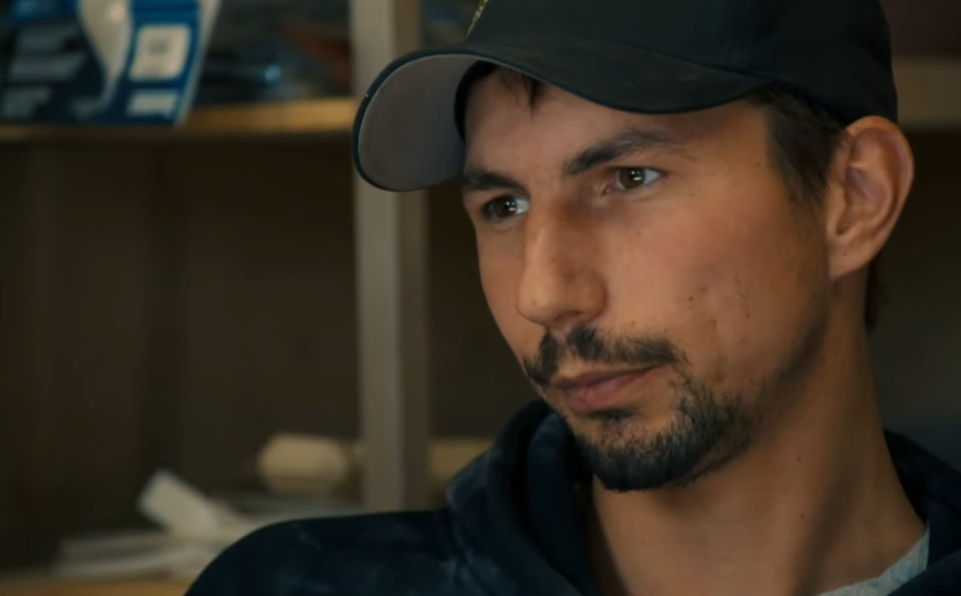
Despite missing the target, Schnabel expressed confidence in the future. The knowledge gained at Dominion Creek, he believes, will pay dividends in seasons ahead. With infrastructure now in place and a clearer understanding of where the most productive ground lies, he expects to return with renewed focus.
“I have no doubt we’ll come back stronger,” he told his crew. “And I hope you’ll all be here for that.”
In the Klondike, progress is rarely linear. Each season brings new obstacles, new lessons, and new decisions. For Parker Schnabel, this year has been less about records and more about resilience—about learning how to manage scale, uncertainty, and expectation in one of the harshest mining environments on earth.
As winter closes in and equipment falls silent, Dominion Creek stands as both a challenge and an opportunity. Whether it ultimately delivers on its promise remains to be seen, but one thing is certain: the season has reshaped Schnabel’s operation, and possibly his approach, in ways that will define what comes next.