Rick Ness’ Bold Lightning Creek Bet Goes South – Could This Be the End of His Season?
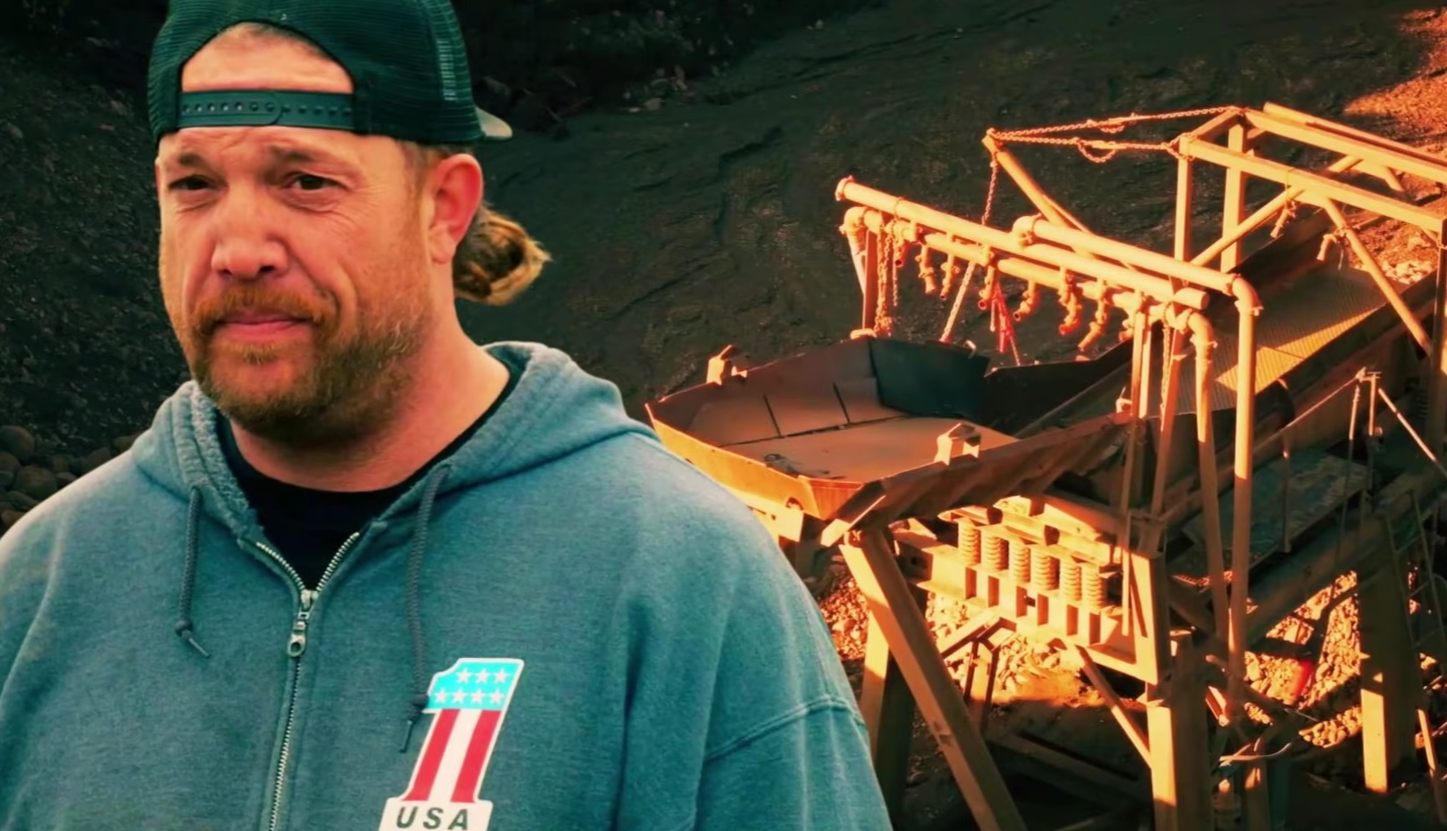
Season 16 of Gold Rush has already been filled with its fair share of dramatic twists and turns, and Rick Ness’ latest gamble at Lightning Creek is proving to be one of the most talked-about moves of the season. Known for his risk-taking and determination, Rick Ness has made a huge bet on this promising location, hoping to uncover a substantial amount of gold. However, the results have been far from what he anticipated. Instead of striking it rich, Rick is facing one of his most significant setbacks yet, with minimal returns from an operation that required massive investments in equipment, labor, and time.
So, what went wrong? And what does this mean for Rick Ness, his crew, and the future of his mining operation? As an analyst of Gold Rush and its ever-shifting dynamics, let’s break down the factors behind this gamble, the reasons for the disappointing results, and the potential impact on the rest of the season.
Rick Ness’ Lightning Creek Gamble: High Stakes and High Hopes
Rick Ness is no stranger to taking risks. Over the years, his rise from a loyal crew member to an independent miner has been defined by his willingness to bet on unproven areas and push through challenges with tenacity. In Season 16, Lightning Creek appeared to be a potential goldmine, and Rick’s decision to place a heavy bet on this location was in line with his bold approach to mining.
The creek’s potential had been hinted at by previous scans and reports, showing promising gold signals beneath the surface. For a miner like Rick, with a solid track record of finding success in difficult circumstances, Lightning Creek seemed like an opportunity too good to pass up. However, unlike some of his previous ventures, Rick’s operation at Lightning Creek has turned out to be more challenging than expected.
He and his crew invested in high-end equipment, set up camp, and started processing the earth with the aim of extracting enough gold to make the venture worthwhile. The risk was substantial—the cost of new equipment, the labor involved, and the time commitment all added up quickly. In the world of Gold Rush, these kinds of bets are not only financially risky but also come with immense pressure, especially when the operation’s success is tied to the amount of gold found. Unfortunately, as the season progressed, it became clear that the returns were nowhere near what Rick had hoped for.

The Low Yield: What Went Wrong?
So why did Rick’s gamble at Lightning Creek fail to yield significant returns? Several factors could explain this disappointing turn of events, each contributing to the low gold totals Rick and his team have been struggling to process.
-
Undetected Gold Layers: One of the most significant challenges in gold mining, particularly in untested areas like Lightning Creek, is the inconsistency of gold distribution beneath the surface. While scans and initial tests may show promising results, the actual gold-bearing layers can be far more elusive. In this case, Rick may have been dealing with a deeper gold deposit than initially anticipated, making it harder to access and process the material efficiently.
-
Unforeseen Challenges in Processing: The equipment required to process the material from Lightning Creek has faced setbacks, as seen in earlier episodes. Breakdowns, malfunctions, or suboptimal setups can have a dramatic effect on the efficiency of an operation. Rick’s decision to upgrade his machinery to tackle a potentially high-yield area may have backfired if the equipment couldn’t keep up with the demand or wasn’t suited for the type of material present in Lightning Creek.
-
Labor and Time Constraints: Another factor contributing to the underwhelming results at Lightning Creek is the crew’s ability to manage the operation under the high-pressure circumstances. In the world of Gold Rush, miners are always racing against time to make their season count before the weather shuts down operations. If Rick’s crew was spread thin or had difficulty operating at the needed capacity, this could have led to inefficient mining and a lower yield of gold.
-
External Competition and Pressure: With Gold Rush evolving into a more competitive landscape, Rick is not only battling the elements but also contending with other miners, including those like Tony Beets and Parker Schnabel, who are also after the same goal. The added pressure to outperform competitors, coupled with external factors like rising equipment costs and fluctuating gold prices, could have taken a toll on Rick’s operation.
Despite these challenges, Rick’s optimism and relentless drive to succeed have kept him moving forward. The disappointment of low returns, however, means that Rick now has to reconsider his strategy for the rest of the season.

What Does This Mean for Rick and the Rest of the Season?
Rick’s gamble on Lightning Creek has set the stage for a season filled with both tension and redemption. While the lack of immediate success at Lightning Creek is a blow to his confidence, this setback could ultimately serve as a catalyst for change in his approach moving forward.
-
Shift in Strategy: Given the disappointing results at Lightning Creek, Rick may be forced to reevaluate his methods. Expect to see him shift his focus to different areas, either nearby or entirely new, in search of more promising deposits. With the season still in progress, this is a critical moment for Rick to pivot. If he can find a more efficient operation or a richer vein, it could turn the season around.
-
Increased Pressure on Rick and His Team: A major aspect of Rick’s character on Gold Rush has always been his leadership and ability to push his crew to work hard under difficult conditions. However, with lower-than-expected gold yields, the pressure on him to deliver results will be immense. This could lead to both internal team struggles and increased competition with other miners. Expect tense moments as Rick faces mounting pressure from both his crew and external factors.
-
A Need for Innovation: Rick may have to innovate and think outside the box in order to recover from his losses at Lightning Creek. This could involve utilizing new technology, experimenting with different mining techniques, or even teaming up with other miners for resources or support. As we’ve seen with other miners like Parker Schnabel, adaptability is key in the world of Gold Rush. Rick’s ability to change course and come up with creative solutions could be what saves his operation.
-
Potential for Personal Growth and Character Development: Rick Ness has always been a fan favorite due to his relatable, hardworking attitude and determination to prove himself as a successful miner. A season marked by setbacks could give Rick the chance to grow as a leader, adapt to the challenges he faces, and emerge stronger than before. This personal growth could make for compelling television as viewers see Rick confront his biggest challenges yet and learn from the experience.
Conclusion: The Gamble is Far From Over
Rick Ness’ gamble on Lightning Creek has proven to be a costly one, with minimal returns that could threaten the success of his season. However, in the cutthroat world of Gold Rush, one bad season doesn’t define a miner’s entire career. With the 16th season still unfolding, Rick’s resilience, willingness to adapt, and determination to succeed could still turn the tide in his favor. Fans of Gold Rush will be watching closely to see how Rick and his team regroup and how this season’s drama plays out as Rick bets big again—this time, with a new sense of urgency and purpose. Will his next move pay off, or will the pressure be too much to