Rick Ness confronts the thief: What happened at his gold mine?

In the unforgiving world of Yukon gold mining, setbacks rarely arrive one at a time. For Rick Ness, Season 16 of Gold Rush has been defined by pressure, scarcity, and the constant fight to keep moving forward. But few moments capture the emotional weight of his comeback more clearly than a tense confrontation over stolen equipment—followed by a hard-earned return to the gold.
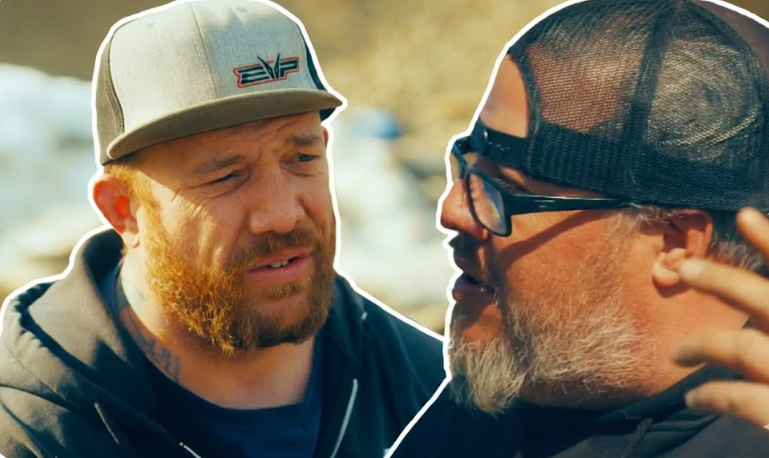
Rick’s troubles began with the disappearance of a crucial piece of gear: a 10-inch suction line, essential for feeding water to his wash plant. Without it, mining simply couldn’t happen. After asking around, Rick learned that a neighboring miner had taken the line without permission. What followed was a raw, heated exchange—one that exposed just how thin the margins are, both financially and emotionally, when a season hangs in the balance.
The confrontation escalated when the line was returned not intact, but damaged. Crushed flat, patched with duct tape, and dropped off without apology, the equipment was effectively unusable. For Rick, it wasn’t just about a hose. It was about respect, trust, and survival. In a business where every hour counts, the damage threatened to halt operations entirely. Tempers flared, and the situation teetered on the edge of boiling over.
Yet, in a telling moment of restraint, Rick chose a different path. Advised by his teammate Z—who urged him to focus on the safest and quickest way to get back up and running—Rick stepped back from confrontation and redirected his energy. The priority wasn’t revenge; it was gold. Cooling down wasn’t easy, but it was necessary.
With borrowed help and sheer determination, Rick and Z managed to restart the wash plant. It was just the two of them—no full crew, no margin for error—processing stockpiled pay dirt from the Rally Valley cut. The workload was intense, the hours long, and the pressure constant. But the plant roared back to life, and for the first time in what felt like forever, momentum shifted.
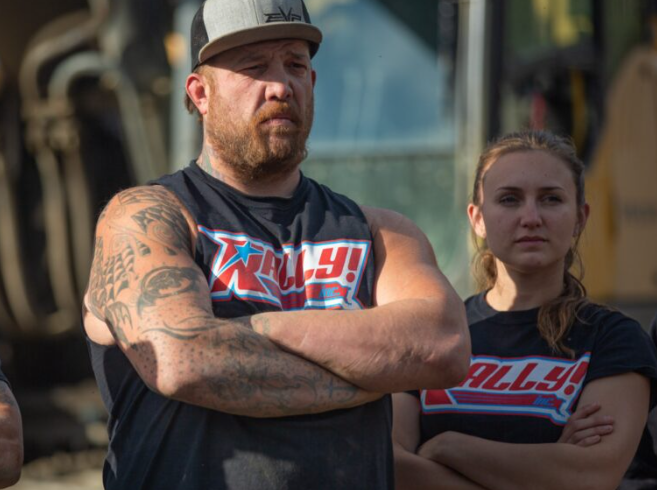
When they finally checked the sluice box, the moment carried more weight than a typical cleanup. Small pickers appeared—modest in size, but enormous in meaning. For Rick, seeing gold again wasn’t about numbers on a scale; it was validation. After weeks of delays, losses, and doubts, the gold proved that the season wasn’t over. Not yet.
The emotional release was unmistakable. Rick credited Z for standing by him, acknowledging that he couldn’t have reached this point alone. In an industry built on grit, loyalty can matter as much as experience. Their exchange—quiet, sincere, and deeply personal—underscored a truth often lost amid the machinery and mud: mining is as much about people as it is about ground.
Rick even handed Z the first gold from the cleanup, a symbolic gesture that spoke volumes. It wasn’t about value; it was about trust earned and shared hardship. For Rick, that first bit of gold marked the beginning of something larger—a chance to rebuild confidence and reclaim purpose after a long, uncertain road back to the Yukon.
This episode captures the essence of Rick Ness’s Season 16 arc. While other miners chase expansion and scale, Rick’s story is about endurance. It’s about navigating setbacks without losing yourself, choosing progress over conflict, and finding clarity in small victories. The stolen suction line could have ended the season before it truly began. Instead, it became a turning point.
In the broader context of Gold Rush, moments like this explain why the series continues to resonate. Beyond totals and targets, it reveals the fragile ecosystems of trust, equipment, and timing that define modern mining. One damaged hose can derail everything. One calm decision can set it back on track.
As the season continues, Rick Ness remains under pressure. But with the plant running and gold finally in the box, the outlook has changed. The path forward won’t be easy—but for the first time in a long while, it feels possible.