THE $3,500 OUNCE DEAL: How Crew Poaching Defined the Most Cutthroat Season in Klondike History

As the 2026 mining season hurtles toward a historic finale, the narrative in the Klondike has shifted from geological discovery to a high-stakes “talent war.” With gold prices hovering at a staggering $3,500 per ounce, the value of a seasoned equipment operator has surpassed the value of the machinery itself. In Season 16, the battle for the Klondike’s gold was won not in the dirt, but in the bunkhouses.
The Opening Salvo
The “Crew War” began with a move that shocked the mining community. In the season premiere, Parker Schnabel drove to Kevin Beets’ operation and reclaimed Brennan Ruot—a veteran operator who had walked out on Parker five years prior. The move was executed without negotiation or warning, leaving Kevin and his partner, Faith Tang, visibly stunned.
“Christmas came early,” remarked Parker’s foreman, Mitch Blaschke. But for the Beets family, it was a declaration of war. By taking Kevin’s best person to stabilize production at Sulfur Creek, Parker proved that at $3,500 gold, sentimental loyalty is a luxury mine bosses can no longer afford.
The “Eight-Thousand-Dollar” Error
The financial logic behind the poaching is cold and precise. At record gold prices, a single rookie mistake that shuts down a wash plant for six hours results in roughly $48,000 in lost revenue. Conversely, an expert who keeps the sluice boxes rattling can generate over $1 million in weekly revenue.
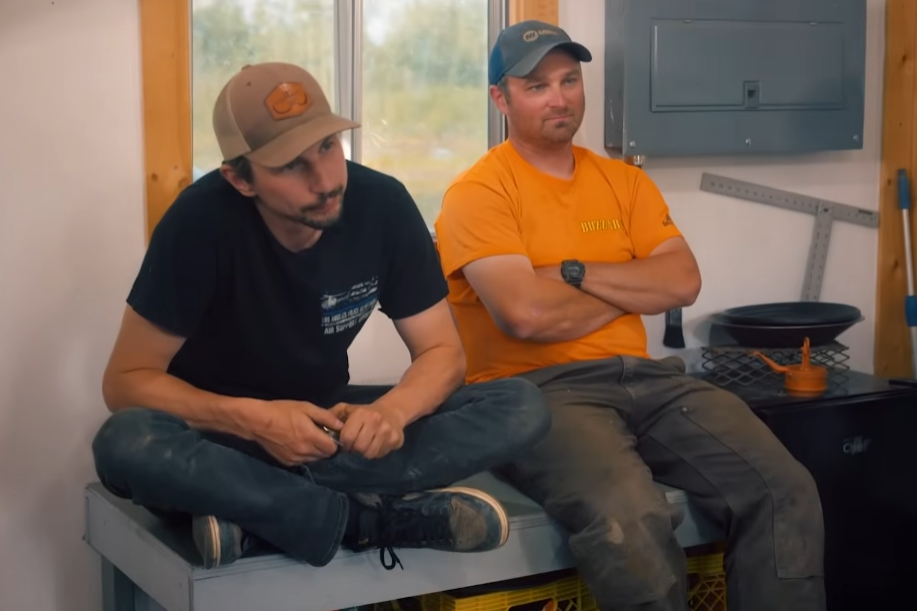
Parker Schnabel leaned into this reality, doubling down in Episode 2 by recruiting multiple experienced hands from Tony Beets’ Indian River operation. This strategic “brain drain” was designed to support Parker’s ambitious five-plant system at Dominion Creek—a scale that requires a precision workforce to remain profitable.
The Episode 14 Exodus
The conflict reached a fever pitch in Episode 14 when seven veteran members of Tony Beets’ crew defected to Parker’s camp in a single week. Tony’s public response was characteristically blunt, labeling the defectors “weasels,” but the operational impact was immediate and devastating.
Days after the departures, a major shaker deck collapse at the Indian River plant cost Tony over $1 million in lost production. While not caused directly by the new hires, the loss of seven experts created a “chain of stretched responsibilities,” reducing the margin for error and preventing the crew from catching the mechanical failure before it became a disaster.
Tony’s Counter-Strike
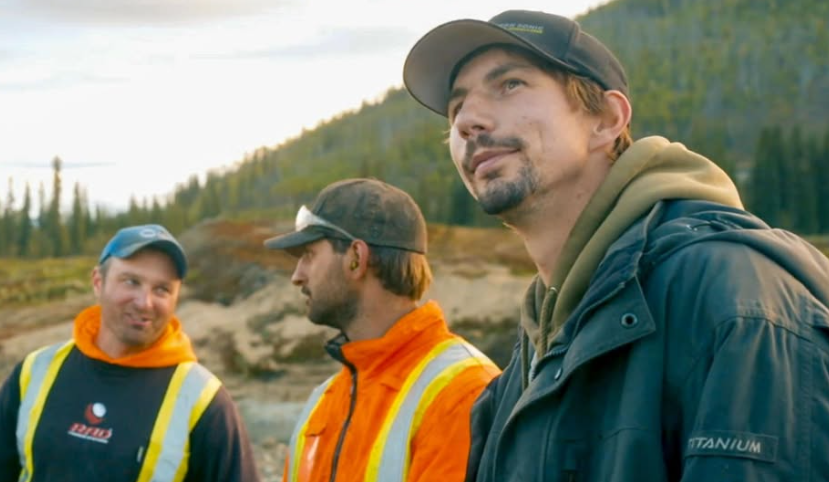
In a move that highlighted the desperation of the season, Tony Beets eventually turned the same ruthless recruitment tactics against his own family. To keep the Indian River operation afloat, Tony raided his son Mike’s crew at Paradise Hill, stripping the smaller mine of its best labor.
“If you try to take all my people and expect me to still run the hill, might as well take me, too,” Mike Beets reportedly told his father. The incident served as a stark reminder: in a $3,500 gold environment, even blood isn’t thicker than a pay streak.
The 212-Ounce Gap
Heading into the finale, the leaderboard tells a confusing story. Despite losing his most experienced operators and suffering a million-dollar equipment failure, Tony Beets holds a 212-ounce lead over Parker, with a total of 10,212 ounces.
While Parker won the “Crew War” by assembling the Klondike’s most elite team—enabling an 827-ounce career-best week—Tony’s lead is a testament to raw resilience. The finale will answer the ultimate question: Will Parker’s hand-picked “dream team” bridge the gap, or will Tony’s “rebuilt” crew hold the line?
As the wash plants fire up for the final seven days of the season, every ounce on the scale will be a reflection of the people behind the levers. In the Klondike, the gold is finite, but the war for the people who find it has just begun.