The Untold Truth Of Gold Rush’s Tony Beets
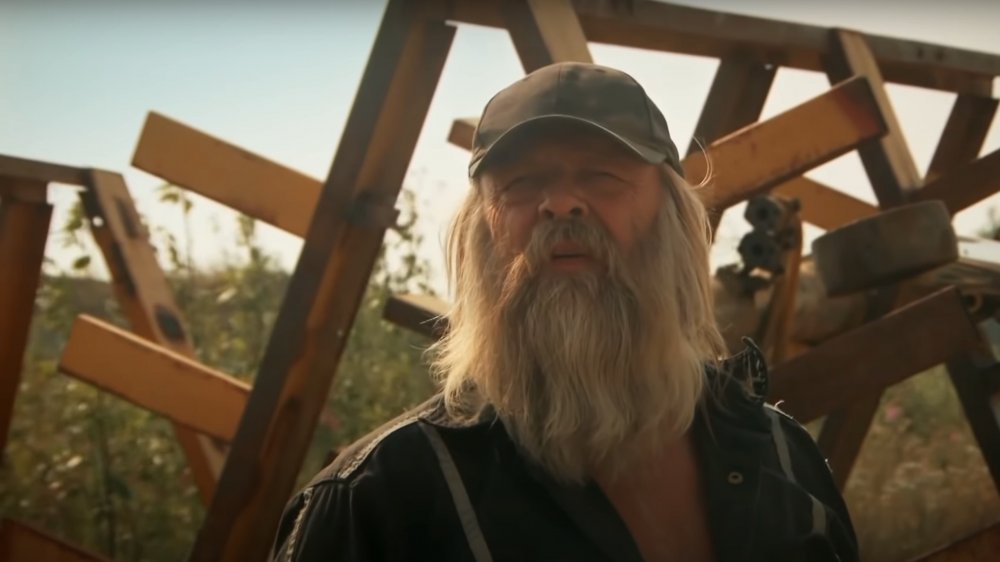
Few figures on Gold Rush embody the rugged spirit of the Klondike like Tony Beets. The series, which reimagines the romanticism of the historic Gold Rush for 21st-century viewers, thrives on tension, ambition, and outsized personalities. And no one delivers these elements more consistently than Beets—the gruff, machine-obsessed mining boss whose sentences are often half-bleeped and whose leadership style is as explosive as the machinery he commands. But beyond the chaos and profanity lies a complex character whose personal journey, career missteps, and larger-than-life presence continue to shape the show’s narrative arc.
As an analyst of the Gold Rush franchise, I view Beets not merely as entertainment value, but as a structural anchor for the series. His trajectory offers insight into the evolution of both the show and the modern gold-mining industry. And if past patterns hold, his future on the series is likely to play a defining role in upcoming seasons.
A Humble Origin Turned Klondike Force
One of the show’s most compelling contrasts is the gap between Tony’s humble beginnings and his current fame. Long before he commanded million-dollar equipment, Beets lived an entirely different kind of life—one spent milking cows on a Dutch farm. His early routine—simple, grueling, and grounded in agricultural labor—laid the foundation for his relentless work ethic. It also explains his unforgiving nature toward younger miners: in Beets’ mind, hardship is earned, not inherited.
This perspective informed his earliest appearances on Gold Rush. He entered the show advising Todd Hoffman and later acting as a harsh mentor—and sometimes antagonist—to Parker Schnabel. Their relationship, often volatile, fueled a rivalry that kept viewers hooked. Beets’ tough approach may appear abrasive, yet it reveals a deeper philosophy: no one survives the Yukon without grit, discipline, and instinct.

The Entrepreneurial Climb from Operator to Overlord
The reason Beets is such a narrative powerhouse is that his story represents the ultimate arc—self-made success. After arriving in Canada in 1984, he drifted through Alberta and British Columbia before the Yukon’s promise of high wages pulled him northward. He began as a machine operator, worked his way up, and eventually acquired and managed the Paradise Hill claim—one of the most iconic mining sites on the show.
From an economic standpoint, Beets embodies the show’s core theme: risk versus reward. His investments—massive machinery, heavy diesel usage, machinery upgrades—represent millions of dollars at play each season. The show leverages this tension to build suspense. As costs rise and yields fluctuate, Beets’ storyline becomes a barometer for the financial realities of modern gold mining.
The Mindset of a Modern Treasure Hunter
What sets Tony apart isn’t just his financial success—it’s his mindset. Beets repeatedly emphasizes that he thrives on the “treasure hunt.” While the monetary stakes are astronomical, his enthusiasm stems from the thrill of the chase. In interviews, he shares that he embraces the freedom, the adrenaline, and even the chaos of the lifestyle.
From a production standpoint, this makes Beets the ultimate storyline generator. His unfiltered personality, combined with his desire to push boundaries, ensures he is constantly creating moments that producers can build episodes around. His unpredictability isn’t a liability—it’s the show’s lifeblood.

The Controversies That Define Him—and Will Shape His Future Storylines
But Tony’s tendency to do things his own way hasn’t always played in his favor. The infamous “Viking baptism” incident—where his crew poured gasoline into a pond and set it aflame—remains one of the show’s most controversial scenes. It triggered environmental violations, drew government scrutiny, and resulted in $31,000 in fines.
As an analyst, I see this as more than a one-off mistake—it’s a thematic pattern. Beets’ willingness to take risks, bend rules, or push limits often becomes the central narrative tension in his storyline. And producers know this. Expect future seasons to revisit this theme, particularly as environmental regulations tighten and mining operations face increasing scrutiny.

Predictions: Where Beets’ Story May Be Headed
Based on current narrative trajectories and industry trends, several predictions emerge:
-
Escalating Environmental Conflict:
Regulatory pressures are likely to increase. Expect clashes between Beets and inspectors, especially around water management and fuel usage. -
Generational Transition:
Beets’ children are heavily involved in his operations. Future seasons may explore succession pressures—will one of them inherit the empire? -
Rivalry with Parker Rekindled:
Although their relationship has cooled in recent seasons, economic pressure or land disputes may reignite tensions for dramatic impact. -
Expansion vs. Retrenchment:
Beets may attempt to acquire new ground, but rising costs could force strategic decisions that lead to consolidation instead of expansion. -
Health and longevity considerations:
Though not heavily highlighted yet, his demanding lifestyle could introduce storylines around sustainability—how long can he keep pushing?
Beets’ story remains a cornerstone of Gold Rush because it blends danger, ambition, and personality into one volatile package. And as long as he keeps pushing limits—both legal and emotional—he will continue to define the show’s most dramatic and unpredictable moments.