Tony Beets’ Legal Firestorm: What the Waters Act Appeal Could Mean for Gold Rush’s “King of the Klondike”
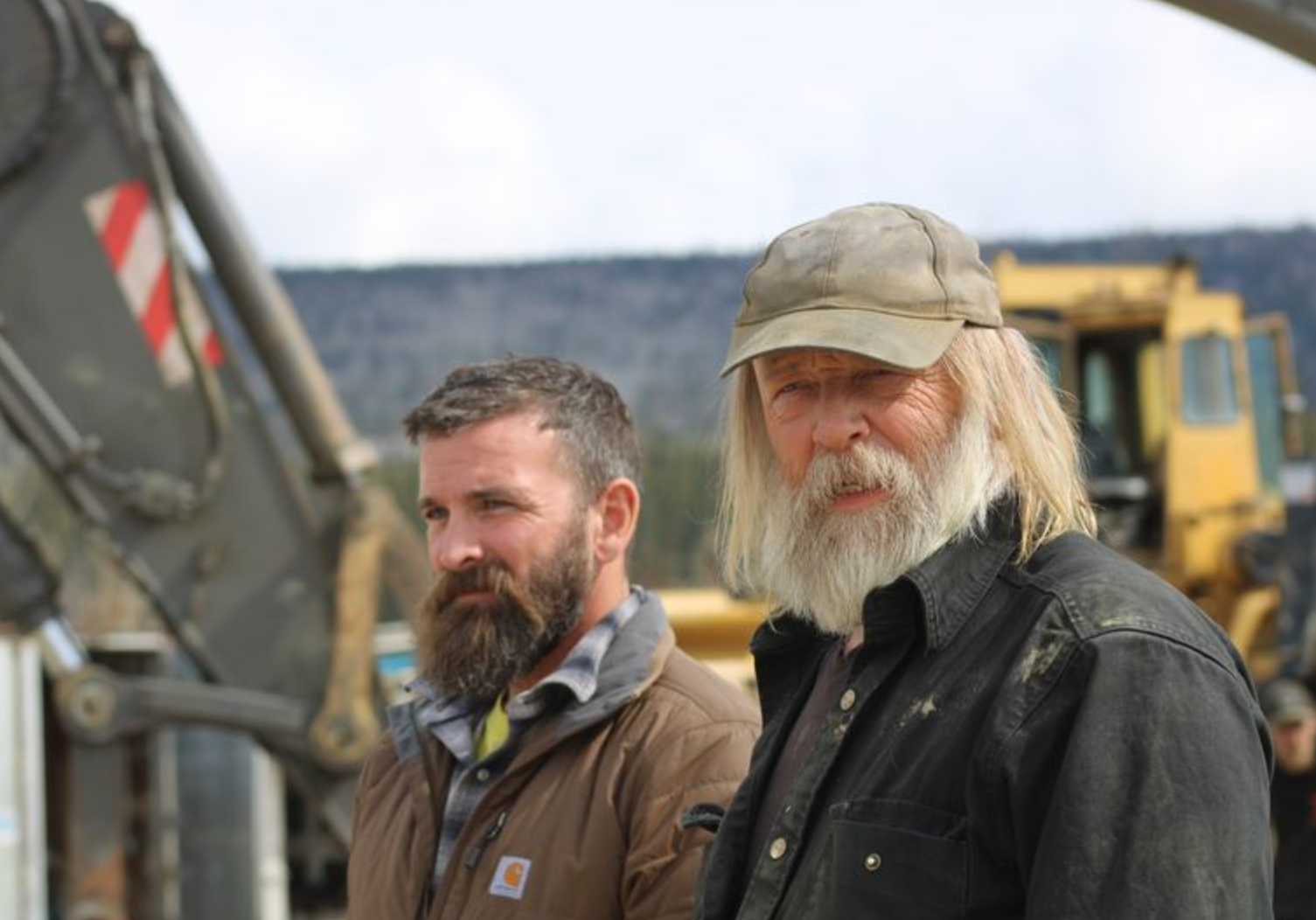
As Gold Rush Season 15 builds momentum on screen, one of its most iconic figures, Tony Beets, faces a different kind of challenge off-camera — a lingering legal battle that could have ripple effects across his mining empire and even the show’s long-term narrative. The Yukon miner and reality television star, often dubbed the “King of the Klondike,” is once again at the center of controversy after his legal team appeared in court on April 10 to appeal fines totaling $31,000 under the Yukon Waters Act.
The case dates back to a 2014 incident that became infamous among Gold Rush fans: a scene in which a worker poured gasoline onto a dredge pond and set it ablaze — with Tony Beets standing dramatically in front of the flames, arms outstretched. The moment aired in the episode “100 Ounces” and was later used by prosecutors as key evidence in environmental charges. While it was framed on the show as a spontaneous, even humorous stunt, the legal implications have persisted for over a decade.
Beets and his company, Tamarack Inc., were convicted in 2017 of permitting the deposit of waste into water, failing to report it, and violating water license conditions. While the worker involved received a $1,725 fine, Beets and Tamarack were ordered to pay significantly more — $31,000 in total.
But now, years later, Beets’ defense lawyer André Roothman is arguing that the initial verdict was flawed. He contends that the environmental impact of the event was minimal, that the fines were excessive, and that the court’s approach effectively punished Tamarack twice for the same act — a violation of the Kienapple principle, a Canadian legal doctrine preventing multiple convictions for a single offense.
A Legal Appeal with Bigger Implications
From a Gold Rush analyst’s perspective, this case is more than just a courtroom drama — it’s a reflection of the delicate balance between television storytelling, real-world mining operations, and environmental accountability.
Beets’ legal team is framing the incident as a technical misstep exaggerated by the show’s global reach. Roothman noted in court that an environmental expert testified the gasoline likely had little or no lasting effect on aquatic life, and that the burning may have neutralized any contamination. Furthermore, he emphasized that the worker responsible was employed directly by Beets, not Tamarack Inc., meaning the company’s water license might not have been violated as initially determined.
Yet, the Crown sees it differently. Prosecutor Megan Seiling insisted that the fines must serve as a deterrent, particularly because the act was broadcast to millions of viewers. In her argument, if penalties are too lenient, companies could treat environmental fines as mere “costs of doing business.” The imagery of Beets standing before a flaming pond — defiant and unapologetic — makes for compelling television, but also sends a problematic message about environmental stewardship in the mining industry.
Justice Leigh Gower has reserved his decision, meaning it could be weeks or months before a final ruling is announced.

The Beets Brand: Risk and Resilience
Within the Gold Rush universe, Tony Beets has long cultivated an image of raw power, old-school grit, and unfiltered authenticity. His operations at Paradise Hill and Indian River are among the largest on the show, and his leadership — often fiery, sometimes controversial — has helped make him one of Discovery’s most recognizable reality TV personalities.
However, this appeal touches on the larger issue of how reality television intersects with legal and ethical boundaries. Beets’ fiery pond stunt wasn’t just a lapse in judgment; it was a moment of television spectacle that may now cost him much more than fines. Should the appeal fail, Tamarack could face stricter regulatory scrutiny going forward, potentially delaying or complicating future mining projects.
But Beets has weathered storms before. Known for his resilience, he has built a reputation for pushing through setbacks — from mechanical breakdowns to failed claims — and emerging stronger each time. In many ways, this legal saga reinforces his larger-than-life persona: a man who refuses to bow to bureaucracy or bad luck.
What Comes Next for Tony Beets and Gold Rush
If Justice Gower sides with the Crown and upholds the fines, Beets will likely absorb the penalty as another operational expense, but it could also push him to take a more cautious approach to what gets filmed for Gold Rush. In a media environment increasingly sensitive to environmental impact and responsible storytelling, producers may avoid similar on-screen stunts that risk public or legal backlash.
Conversely, if the appeal succeeds — even partially — it could vindicate Beets and bolster his standing among fans who see him as the embodiment of frontier independence. It may even give Gold Rush a narrative boost: a redemption arc where the “King of the Klondike” overcomes yet another challenge, proving that his empire is built not just on gold, but on unrelenting determination.

Industry Impact and Public Perception
This case also sends a clear message to other mining outfits featured on Gold Rush and similar programs: every televised act, no matter how small, can have real-world consequences. The lines between entertainment and environmental responsibility are thinner than ever, and what plays well on TV might not stand up in court.
Still, the loyal Gold Rush fanbase remains firmly divided. Some argue that Beets’ punishment was overly harsh for what was essentially a symbolic act, while others see it as an overdue reminder that even legends must follow the rules.
Whatever the outcome, Tony Beets’ legacy — as both a miner and a television figure — will continue to evolve. The fire in that Yukon pond may have burned out long ago, but its echoes are still reshaping the story of one of reality TV’s most iconic figures.