Tony Beets Steps In as Rick’s Season Hangs in the Balance After Major Equipment Failure.
A single failed roller nearly brought operations at Duncan Creek to a grinding halt this week, underscoring once again how fragile large-scale gold mining can be in the Yukon wilderness.
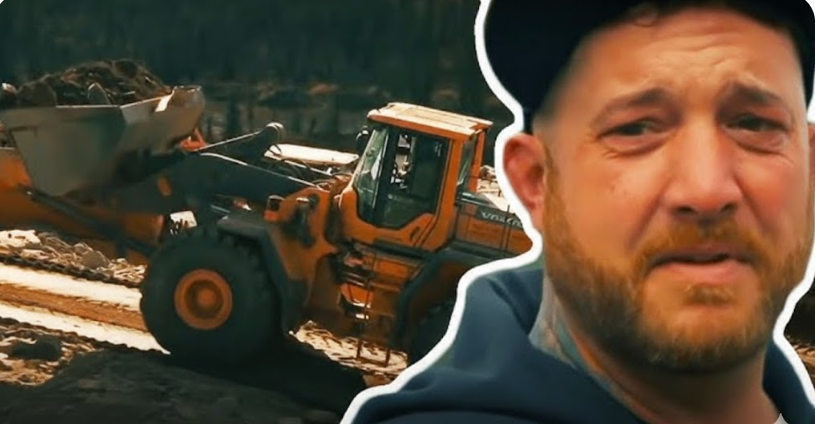
On the latest developments from Gold Rush, miner Rick Ness faced a critical mechanical setback when one of the carry rollers on his primary excavator — known simply as the “700” — seized and bent out of alignment.
The 700 is not just another machine in Ness’s fleet. It is the workhorse responsible for loading the bulk of the pay dirt that feeds his wash plant. With each track running on three carry rollers, even a single failure can trigger significant damage. In this case, one roller’s bearing locked up, forcing the track sideways and threatening further strain on the side frame.
“Without that roller, you’re dragging your track,” mechanic Carl explained on site. “You’re doing extensive damage.”
For an operation chasing a season target of 1,000 ounces, downtime is more than an inconvenience — it is a direct threat to profitability. The 700’s absence meant Ness’s smaller 480 excavator had to shoulder the load, cutting production roughly in half.
Replacing the damaged component should have been straightforward. Ness quickly located a new roller and placed an order. But in the remote north, logistics can prove as punishing as terrain. Delivery estimates of one week frequently stretch to two, particularly amid ongoing supply chain disruptions.
“I can’t have the 700 down that long,” Ness said. “Every second counts.”
The solution lay not in a warehouse, but in a neighbour’s yard. Ness turned to veteran miner Tony Beets, whose expansive equipment boneyard in Dawson City has become something of a safety net for fellow operators.
Beets, known for maintaining an extensive stockpile of spare parts, had a used roller on hand. Within hours, Ness secured it and embarked on a six-hour drive back to Duncan Creek.
“It’s good to have friends in the Yukon,” Ness reflected.
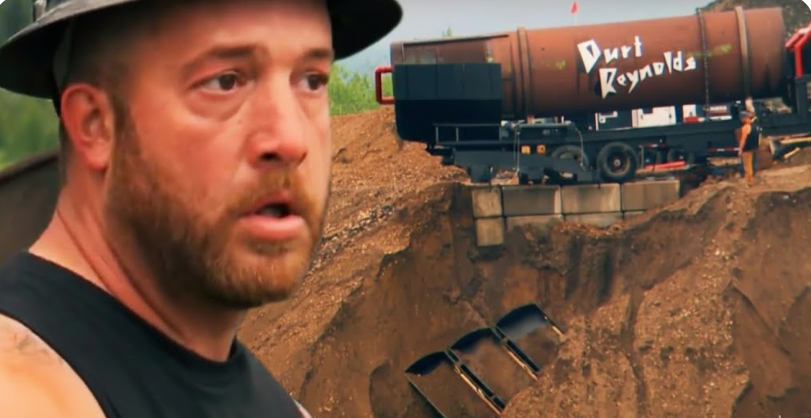
The exchange highlights a recurring theme in the Klondike: competition coexists with cooperation. While miners vie for ground and ounces, mechanical breakdowns can affect anyone. Access to parts — especially during peak season — often determines whether a setback becomes a footnote or a catastrophe.
Back at camp, Carl and the crew wasted no time installing the replacement. The damaged roller was removed, the seized bearing confirmed as the culprit, and the substitute component bolted into place. After careful alignment checks, the machine was powered up.
“Fire it up. Give me a spin,” Carl called.
Moments later, the 700 was back in motion.
For Ness, the relief was immediate. “Number one hoe,” he joked, acknowledging the machine’s central role in the operation. Its return restored full loading capacity and rebalanced workflow at the plant.
Yet the financial consequences lingered. Even a short interruption can cost tens of thousands in deferred production, fuel inefficiencies and labour overhead. Ness estimated the disruption had already dented weekly output.
At week’s end, the team gathered to weigh their gold. To remain on track for the 1,000-ounce season goal, Ness needs to average at least 70 ounces per week.
The scales told a mixed story.
The clean-up yielded 51.55 ounces — valued at nearly $100,000 at current prices. It was an improvement over the prior week but still short of the required pace.
“I’m not going to lie, that seems a little light,” Ness admitted.
However, he remained cautiously optimistic. Two weeks of mechanical headaches had distorted the numbers. With the 700 operational and ground conditions reportedly strong, the crew believes consistency can return.
“The ground’s out there,” Ness said. “All we’ve got to do is go get it.”
The episode also underscores the relentless nature of mining economics. Equipment must run continuously to justify its cost. A single immobilised excavator can cascade into reduced plant throughput, lower gold recovery and tightened margins.

For Beets, assisting Ness was straightforward. “When you’re a good guy, other good people are willing to help you out,” he observed. The gesture not only saved Ness time but also prevented potentially greater financial loss.
In the Yukon, isolation magnifies every decision. Parts may require flights, trucking routes are limited, and harsh terrain accelerates wear. Machines operate under extreme loads, often in abrasive conditions that test bearings, hydraulics and structural components alike.
Ness’s season has already been defined by resilience. The 1,000-ounce target remains ambitious but attainable — provided the machinery holds and the pay streak continues.
With the 700 back in action and morale intact, Duncan Creek now returns to full production. The coming weeks will determine whether the setback becomes a minor detour or a pivotal moment in the campaign.
For now, the lesson is clear: in gold mining, ounces may be measured in the pan, but success often hinges on steel, bolts and the willingness of neighbours to lend a hand.