Why Gene Cheeseman Quietly Stepped Away from Gold Rush: The Story Behind a Fan Favourite’s Exit

For a programme built on heavy machinery, high-pressure deadlines, and constant conflict with nature, Gold Rush has always been just as much about the people as the gold itself. Over the years, viewers have watched miners arrive, prove their worth, and sometimes vanish without explanation. Few departures, however, have prompted as much lingering curiosity as that of Gene Cheeseman.
Cheeseman did not leave Gold Rush in dramatic fashion. There was no farewell episode, no on-screen announcement, and no clear narrative explanation. Instead, he simply faded from view—leaving fans to piece together their own theories about what happened to one of the show’s most respected mechanics and veteran miners.
From Newcomer to Trusted Veteran
Gene Cheeseman first appeared in Season 4, Episode 2, joining the series as a skilled and experienced miner at a time when Gold Rush was rapidly expanding its cast and scope. He initially worked under Parker Schnabel, who at the time was still establishing himself as a credible leader despite his young age. Cheeseman later moved on to work with Tony Beets, where his technical skills and steady approach quickly made him an asset.
Much like fellow veteran Chris Doumitt, Cheeseman represented an old-school mining mentality. He was practical, efficient, and deeply knowledgeable about machinery—often stepping in to fix critical mechanical failures under tight time pressure. On a show where broken equipment can derail an entire season, that expertise translated into both respect from crew members and admiration from viewers.

On-Screen Tension with Parker Schnabel
Early in his time on the series, Cheeseman’s relationship with Parker Schnabel appeared strained. The contrast was clear: a seasoned miner working under a leader who, despite his growing success, was still younger than many of his crew. Cheeseman questioned Parker’s management style and, at times, his readiness to lead experienced workers.
These disagreements played out on camera, with clashes over communication, authority, and expectations. Parker was direct and demanding, while Gene preferred acknowledgment for his work and clearer collaboration. The two often pursued their own solutions, occasionally disregarding each other’s input. For viewers, this friction became part of the show’s broader narrative about leadership, age, and experience in modern mining.
A Long Run—Then Silence
Despite the visible tension, Cheeseman remained a regular presence on Gold Rush for more than 70 episodes, spanning Seasons 4 through 7. His departure after Season 7 came without explanation, reinforcing the belief among fans that unresolved conflict with Parker may have driven him away.
When Cheeseman briefly reappeared in Season 10 for a handful of episodes before disappearing again, speculation reignited. Yet once more, the series offered no clarity, allowing rumours to fill the gap.
That narrative, however, was later challenged by Parker Schnabel himself. In a Facebook interview, Schnabel dismissed the idea of lingering animosity, stating: “You know, Gene and I are fine, I think, from my point of view, we are. You’d have to ask him on that, but we get along fine.” With that comment, the most common explanation for Cheeseman’s absence lost much of its weight.
Choosing Work Over Visibility
A more consistent explanation lies not in conflict, but in preference. Cheeseman never appeared particularly drawn to the spotlight. Unlike some cast members who embraced the public-facing side of Gold Rush, he seemed focused on the work itself. That impression was reinforced in 2017, when he posted a brief but telling message on social media: “I’m fine without the air time.”
Since then, Gene Cheeseman has kept an extremely low public profile. His X and Facebook accounts have remained largely inactive, further supporting the idea that privacy—not publicity—was his priority. In an era where reality television often extends far beyond the screen into constant online engagement, Cheeseman’s silence stands out.
Industry observers believe he likely continued working off-camera, particularly with Tony Beets’ operation, where experienced mechanics and problem-solvers are always in demand. Mining, after all, does not require a television crew to be profitable.
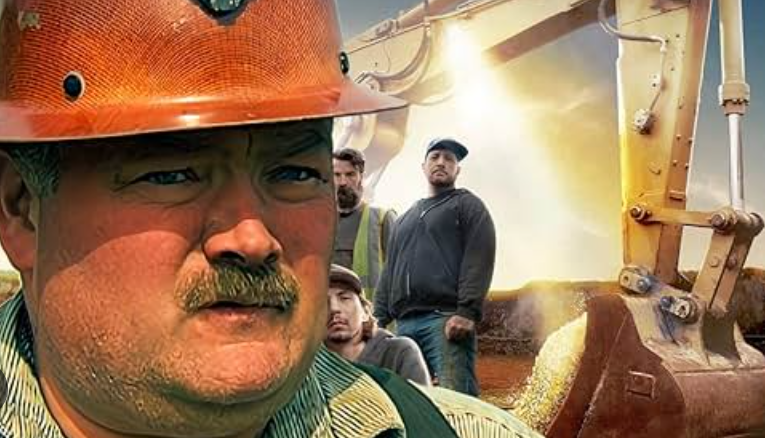
A Valuable Contributor, With or Without Cameras
From a production standpoint, Cheeseman’s absence was noticeable. His calm presence, mechanical expertise, and no-nonsense attitude balanced the louder personalities that often dominate the series. While Gold Rush continued to thrive, his departure marked the loss of a quietly reliable figure who embodied the practical realities of the job.
Yet his story also highlights a broader truth about the show: not every miner wants to be a television personality. For some, the cameras are simply a by-product of the work, not the goal. Cheeseman appears to have made a deliberate choice to focus on mining itself, rather than the exposure that comes with it.
A Quiet Exit, Not a Failure
In the end, Gene Cheeseman’s disappearance from Gold Rush was less about conflict or controversy and more about personal priorities. He contributed years of skill and experience to the series, helped crews meet impossible deadlines, and earned the respect of colleagues and fans alike.
His decision to step away from the spotlight does not suggest disappointment or defeat. Instead, it reflects a miner who knew exactly what he wanted from the job—and what he did not. For viewers who wondered what became of him, the answer is surprisingly simple: Gene Cheeseman did not leave mining behind. He simply left the cameras.