$110M GOLD HOARD UNEARTHED IN SPECTACULAR OAK ISLAND BREAKTHROUGH

In a discovery that defies two centuries of skepticism and failed expeditions, Rick and Marty Lagina have reportedly breached a massive, high-security vault deep within the Oak Island “Money Pit,” recovering a treasure haul estimated at a staggering $110 million.
The breakthrough, which occurred late last week, does not merely represent a financial windfall; it provides the first physical evidence of a sophisticated, transatlantic pirate “syndicate” that operated as a shadow corporation during the Golden Age of Piracy.
The Breakthrough
The turning point for the decade-long Lagina operation didn’t happen on the island, but at a modest auction house in Halifax. Rick Lagina recently acquired a 17th-century leather-bound journal that functioned less as a diary and more as an engineering manual. By overlaying the journal’s star charts and coastal drawings with modern seismic tomography, the team identified a rectangular anomaly 160 feet below the surface—just feet away from previous, unsuccessful drill sites.
After sinking a massive 10-foot diameter steel caisson to bypass the island’s notorious unstable soil, the team hit a slab of hand-cut granite etched with a haunting fusion of symbols: a pirate skull, a Masonic square and compass, and a Templar cross.
A Cathedral of Gold
Upon breaching the granite barrier, a remote camera revealed a scene described by onlookers as “hypnotic.” Stacked against the bedrock were rows of 40-pound gold bars stamped with the sigil of the Spanish Royal Mint. Surrounding the bullion were a dozen oak chests overflowing with gold doubloons, pieces of eight, and a literal “dazzling array” of emeralds and diamonds.
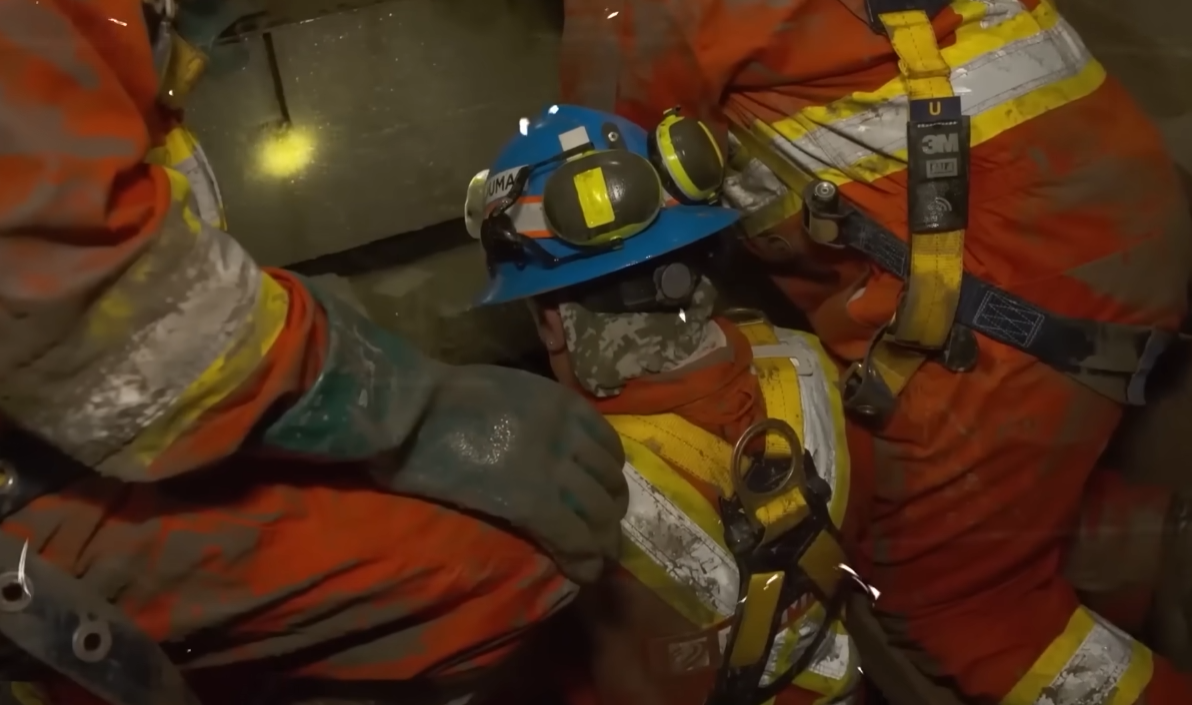
However, the discovery nearly turned fatal. As the extraction team entered the chamber, they triggered an ingenious 300-year-old security system. Pressure plates set into the floor opened hidden sluice gates, allowing seawater to roar into the chamber. It took several hours of high-capacity pumping to reach a standstill, allowing the team to winch the treasure to the surface one bar at a time.
The “Syndicate” Revealed
While the gold has captured global headlines, historians argue the most valuable find was a small cedar chest found at the back of the vault. Inside, protected by oil cloth and wax, were ledgers and nautical charts that rewrite maritime history.
The documents reveal that legendary pirates—including Captain William Kidd and Blackbeard—were not merely rogue marauders. They were “franchise owners” of a massive criminal enterprise known as The Syndicate. This organization operated with a formal board of directors and used Oak Island as a central “northern depository” for a global banking system.
“These men weren’t just thieves,” noted one researcher embedded with the team. “They were pioneers of international offshore banking, laundering vast fortunes and paying bribes to high-ranking officials in London and Madrid.”
A Global Hunt Begins
The recovered charts indicate that the $110 million found in Nova Scotia is only a single deposit. The maps point to a network of similar vaults hidden in the Louisiana swamps, the Caribbean, and even beneath a major European city.
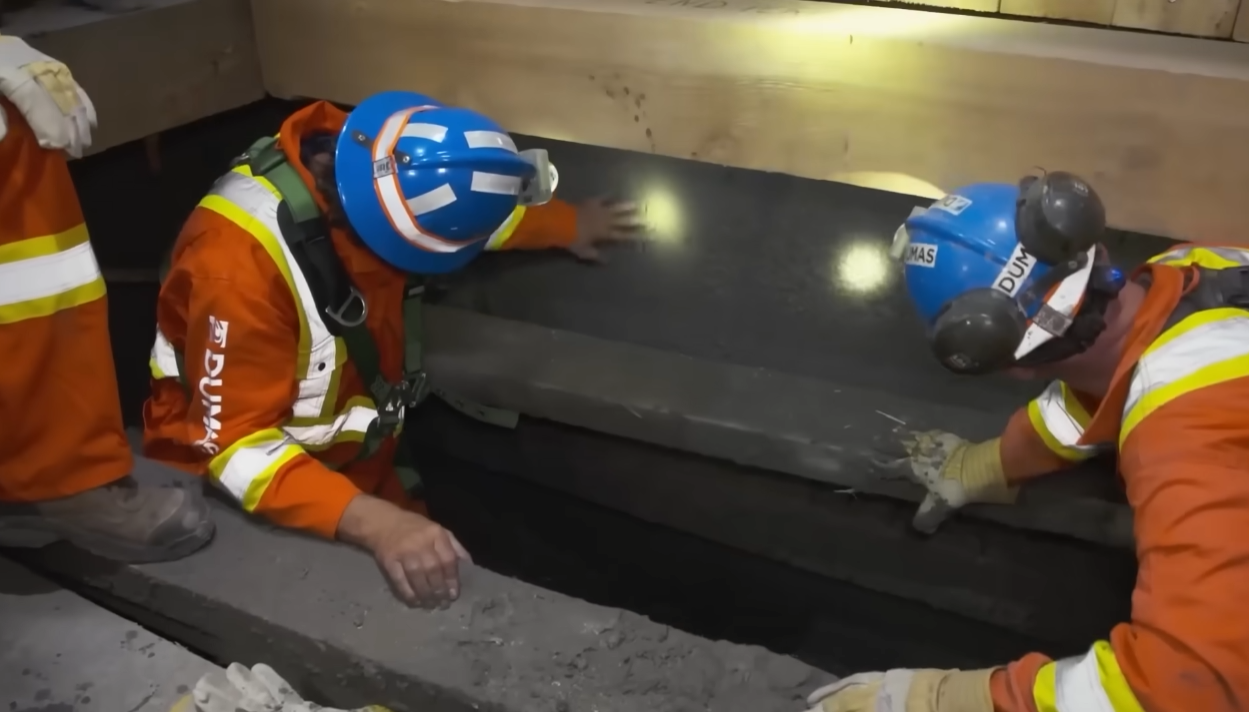
The atmosphere on Oak Island has shifted from one of academic curiosity to high-stakes security. Unmarked boats and surveillance drones have been spotted off the coast, prompting the Lagina team to increase their security presence tenfold.
As the world’s top museums and cryptographers descend on Nova Scotia, the Lagina brothers face a monumental choice: surrender the maps to international authorities or follow the trail of the Syndicate themselves. For now, the “curse” of Oak Island appears to have been lifted, replaced by a global mystery that is only just beginning.