The Flood That Changed Everything: Oak Island’s Dig Comes to a Halt – What’s Next?

In a development that could finally shed light on the mysteries of Oak Island, the team working to uncover the secrets hidden beneath the island’s soil may have just uncovered a major clue. During an excavation at Smith’s Cove, the team discovered a large quantity of coconut fiber, a material that has long been associated with the infamous treasure hunt and its many legends. This finding, confirmed by expert analysis, could provide a crucial link to the centuries-old flood tunnel believed to be guarding the treasure at the heart of the Money Pit.
A Long-Awaited Clue
The discovery of coconut fiber on Oak Island is significant for several reasons. First, it validates a longstanding theory surrounding the island’s treasure hunting history. For years, explorers have believed that coconut fiber, which was used in the 18th century as a filter, played a crucial role in the island’s elaborate system of booby traps designed to keep the treasure hidden from view. The presence of this material suggests that the island’s original builders may have used it to line the flood tunnels, which have consistently thwarted attempts to reach the treasure.
Historically, coconut fiber was found during the early treasure hunts of the 1800s, notably in the Money Pit area. Its use as a filter to block the flow of water in the flood tunnel has been well-documented, and its discovery could signal that the team is now on the right track in their search for the fabled treasure. The question now is: could this be the break the team has been waiting for?
The Flood Tunnel and the Search for the Treasure
The flood tunnel, an elusive and often discussed feature of Oak Island, has been the focus of treasure hunters for over two centuries. It is believed to be part of the island’s intricate system of defenses, designed to keep anyone from reaching the treasure buried deep within the Money Pit. Previous treasure hunts have revealed evidence of stone box drains and intricate wooden structures, but the flood tunnel itself has remained frustratingly out of reach.
In recent years, the team led by Rick and Marty Lagina has focused much of their efforts on locating this tunnel. Using a combination of modern technology and traditional digging methods, they have been uncovering more clues that point to its existence, but until now, they have been unable to confirm its location. With the discovery of the coconut fiber, the team now believes they are closer than ever to finding the main flood tunnel and, ultimately, the treasure it protects.
A Historic Development
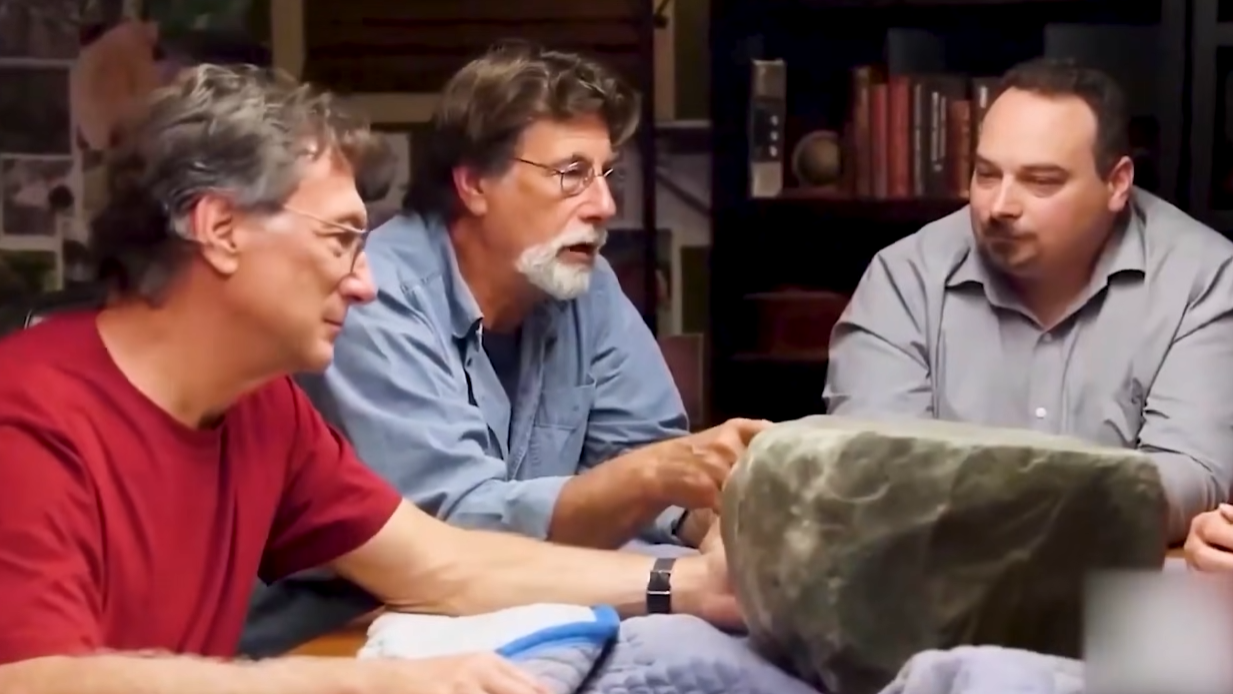
Rick Lagina, one of the lead treasure hunters on Oak Island, expressed excitement over the discovery, noting that it represented the kind of breakthrough they had been hoping for. “At the end of the day, we were looking for evidence that would corroborate or confirm the old story,” Rick said. “Now we have this evidence that it is indeed coconut fiber. It’s confirmation of the original work that was done here.” This newfound certainty has rekindled the team’s optimism and reinforced their belief that they are on the verge of solving one of the most enduring mysteries in history.
The discovery was made as part of an ongoing investigation into a possible flood tunnel found in the uplands near Smith’s Cove. Water rushing from a newly exposed area near the site prompted the team to conduct a more detailed examination. Upon finding the coconut fiber, the team quickly realized they had stumbled upon something significant. The fiber, which had been used to line the flood tunnel in the past, could indicate that the team is closer than ever to discovering the exact location of the tunnel and the treasure it guards.
The Significance of the Find
The presence of coconut fiber is not just a random discovery. It is the type of material that could only be placed intentionally, likely as part of the design for the flood tunnel system. In the 18th century, coconut fiber was used in various applications, including as a filter material in water systems, making it a plausible addition to the Oak Island defenses. This further bolsters the theory that the island’s creators went to great lengths to ensure their treasure remained hidden, with the coconut fiber acting as one of many strategic barriers.
This development could also open the door to more exploration in the area, as the team is now convinced that the coconut fiber was part of the original works on the island. The next steps will involve a thorough examination of the area where the fiber was found, as well as additional testing to determine the exact age and origin of the material. The team remains hopeful that this discovery will lead them to the long-sought-after flood tunnel and bring them closer to solving the Oak Island mystery once and for all.

What’s Next for the Oak Island Team?
While the team is optimistic about this discovery, they know that they must continue their investigations carefully. The flood tunnel, if it exists, could still be elusive, and the process of uncovering it will require more time, resources, and patience. The team will likely continue using advanced technologies, such as 3D imaging and ground-penetrating radar, to further investigate the area and track the path of the flood tunnel.
However, the discovery of coconut fiber provides the team with renewed hope and determination. After years of dead ends and near misses, this clue could be the one that finally leads to the treasure buried beneath Oak Island. As Rick and Marty Lagina continue their search, they are now more confident than ever that they are on the right path. With the backing of their dedicated team and the support of viewers who have followed the journey for years, the Oak Island treasure hunt is closer to a resolution than it has ever been before.
As the team moves forward, they will continue to dig, analyze, and explore, with the hope that they will soon uncover the answers they’ve been seeking. Whether or not they find the treasure is still to be determined, but one thing is for certain: the discovery of coconut fiber is a monumental step in the search for the secrets of Oak Island.