A gold bracelet was discovered buried deep in a pile of mud, and its value is estimated to be worth millions of dollars.
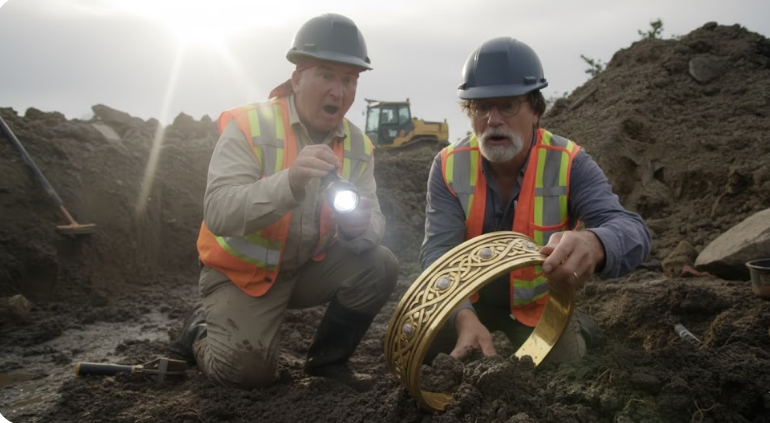
The reported discovery of a gold bracelet buried deep beneath layers of mud on Oak Island represents more than a valuable artifact—it may signal a decisive shift in how the island’s long-running mystery is understood. From an analytical standpoint, this find stands out not simply because of its estimated multi-million-dollar value, but because of where and how it appears to have been deposited.
Unlike coins, tools, or fragmented metal objects that can be explained as incidental losses, a gold bracelet is a personal item. It implies intention, ownership, and context. That alone raises the stakes for the investigation. On Oak Island, context is everything.
Why a Bracelet Matters More Than Loose Gold
Throughout the series, the Lagina brothers and their team have encountered precious metals before—gold traces in water samples, elevated silver content in solution channels, and occasional small artifacts. However, a bracelet is categorically different. Jewelry is not raw material, nor is it a by-product of construction. It is finished, portable, and symbolic.
If authenticated as historical, such an item suggests one of two possibilities. Either it was deliberately concealed as part of a cache, or it was lost during organized human activity in an environment where loss carried little immediate concern—suggesting access to significant wealth nearby. Neither scenario fits the narrative of casual or accidental presence.
Moreover, the depth beneath compacted mud is crucial. Mud layers imply post-depositional covering, likely caused by flooding, backfilling, or environmental change. This reinforces the theory that the bracelet predates later surface activity and was not introduced during modern exploration.
Geological Context: Mud Is Not Random
Oak Island’s subsurface is notoriously complex. Mud accumulation at depth often points to water movement through engineered spaces—voids, shafts, or tunnels that later collapsed or were intentionally sealed. From a geological perspective, finding a high-value object preserved in mud suggests that it may have been carried or settled into place during a controlled flooding event.
This aligns with long-standing theories that parts of Oak Island were deliberately designed to interact with water. If the bracelet was found within or adjacent to such a system, it strengthens the argument that valuables were moved through engineered routes rather than buried in a single pit.
Authentication Will Be the Turning Point
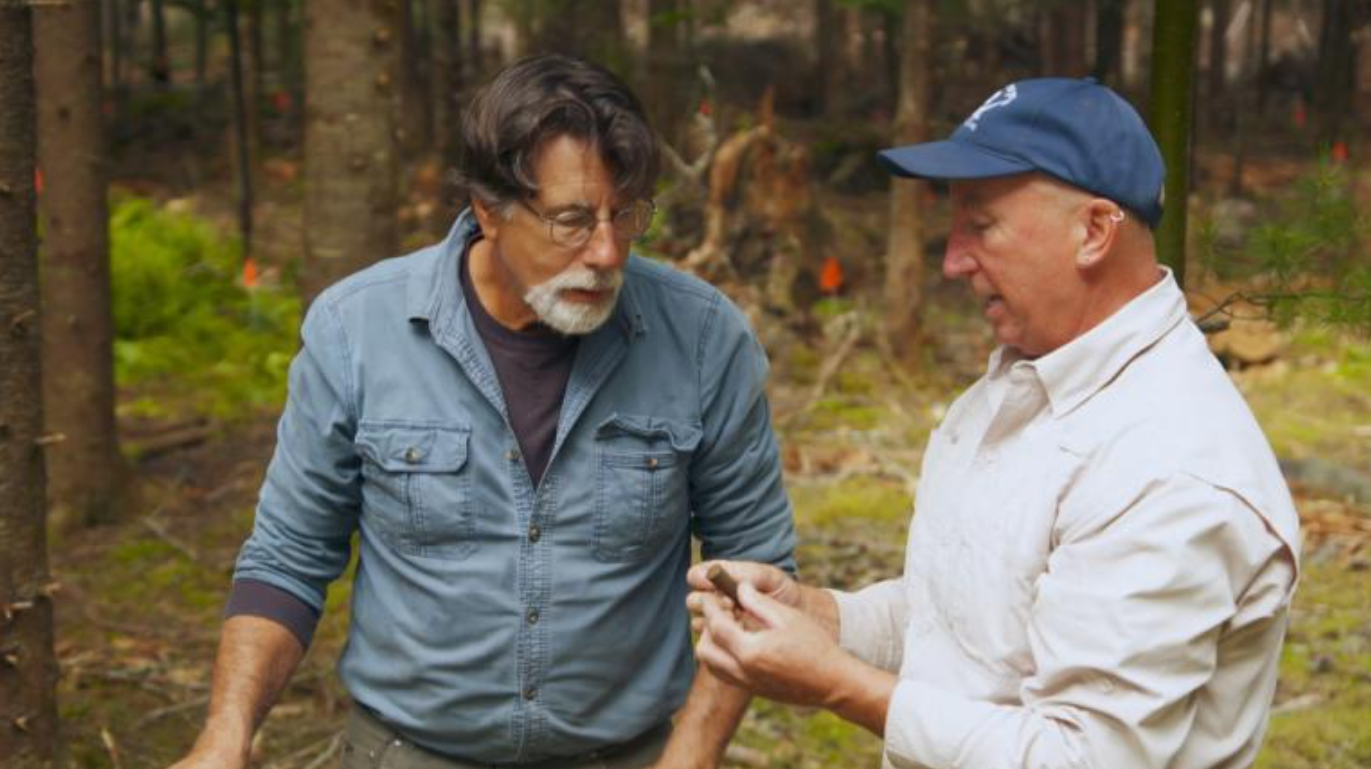
From a programme analysis angle, the next episodes are likely to focus heavily on authentication. Expect metallurgical testing to determine gold purity, alloy composition, and manufacturing technique. These details are essential.
If the bracelet shows signs of pre-industrial craftsmanship—hand-worked links, irregular soldering, or alloy ratios inconsistent with modern jewelry—it would immediately narrow the timeframe. A European origin dating to the 1500s or 1600s would dramatically support theories of early transatlantic activity on the island.
Equally important will be stylistic comparison. Jewelry styles are culturally specific. A bracelet linked to Iberian, French, or even Mediterranean traditions would deepen the mystery by suggesting not just laborers, but individuals of status present on or connected to Oak Island.
Strategic Implications for the Dig
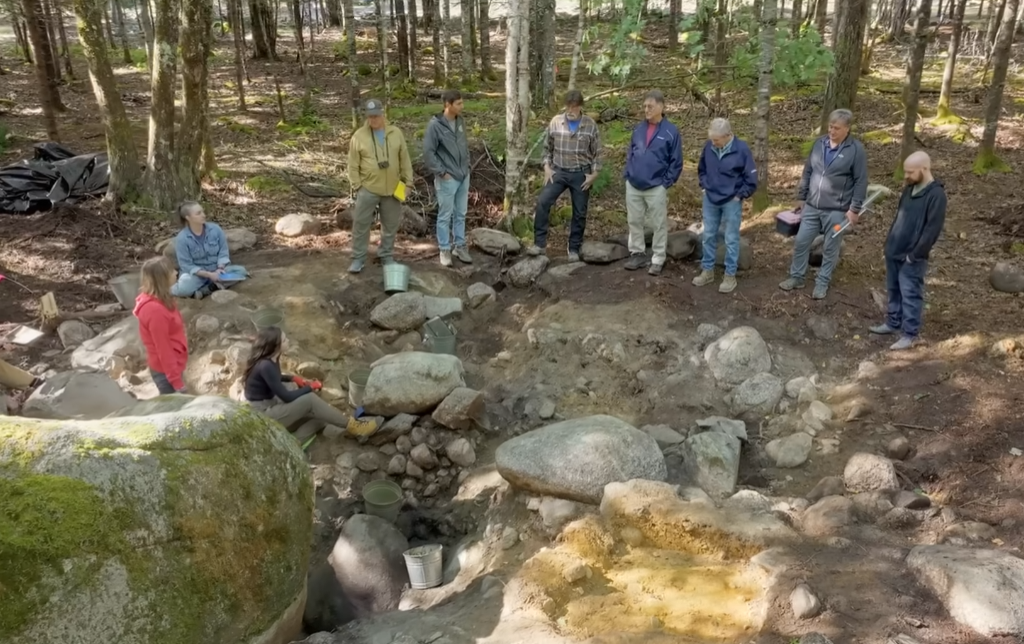
Assuming authenticity is confirmed, this discovery is likely to redirect resources. Analysts should expect a shift toward expanded excavation around the find site rather than continued broad drilling elsewhere. Oak Island investigations tend to pivot when a find provides both value and narrative coherence.
The bracelet could serve as a “context anchor”—a fixed point around which surrounding features are re-evaluated. Nearby voids, wooden structures, or stone features will be reassessed not as isolated anomalies, but as part of a system that once protected or transported valuables.
Importantly, this also raises the probability that additional personal items may exist nearby. Jewelry rarely travels alone. Where there is one item of adornment, there may be others—coins, containers, or documents—that contextualize ownership.
The Million-Dollar Question: Why Was It There?
The estimated valuation—potentially reaching into the millions—comes not only from gold weight, but from historical significance. Provenance multiplies value. A bracelet connected to a known historical period or elite group would transform it from a treasure item into a museum-grade artifact.
This raises the core question Oak Island continually circles: why was something so valuable placed in such a hostile environment? The prevailing explanation increasingly points toward intentional concealment during a period of instability—political, religious, or economic—where secrecy mattered more than accessibility.
What Comes Next
From a narrative and analytical standpoint, the likely progression is clear. Verification will lead to focused excavation. Focused excavation will either confirm a broader deposit system or expose the bracelet as an isolated loss. However, Oak Island history suggests isolation is rare.
If subsequent finds align in depth, material, and age, the investigation will move beyond speculation toward reconstruction of purpose. At that point, Oak Island stops being merely a treasure site and becomes evidence of sustained, organized activity.
The bracelet, if genuine, may be remembered as the moment when the mystery shifted from “what might be here” to “who was here—and why they went to such lengths.”
In Oak Island terms, that is not just progress. It is alignment.