A surprising discovery: Rick Lagina’s team finds a mysterious treasure chest washed ashore on Oak Island.
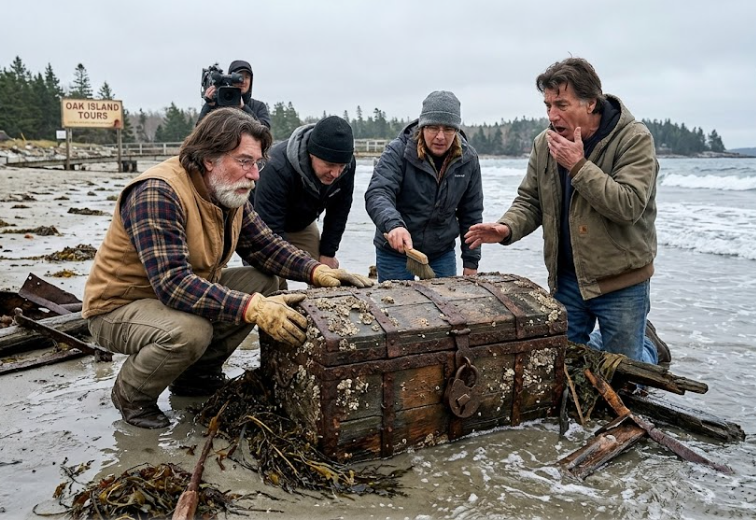
The oak‑studded shores of Oak Island have borne witness to centuries of legend, speculation, and painstaking search for treasure. But nothing has stirred as much excitement and cautious curiosity as the recent report that Rick Lagina’s team has discovered a mysterious treasure chest that washed ashore on the island. If verified, this finding could mark one of the most startling turns in The Curse of Oak Island history — not just for its physical contents, but for the implications it carries for the entire decades‑long quest.
For years, the show has followed the team’s methodical excavation efforts, geological probing, and stubborn piecing together of historical clues. These efforts have unearthed canal systems, buried wooden structures, metal fragments, inscribed stones, and tantalizing hints of engineered flood tunnels. Yet despite persistent public fascination, definitive proof of a major treasure has remained elusive. A chest appearing suddenly from the sea challenges everything we thought we knew about Oak Island’s narrative because it introduces a variable outside the conventional subterranean search zones.
To understand why this discovery matters, one must first appreciate the longstanding methodologies the Oak Island team has deployed. Traditionally, the search has been an interior pursuit — boreholes, pit diggings, and geophysical surveys aimed at penetrating what might lie beneath the island’s surface. By contrast, a chest arriving from the ocean introduces a new investigation vector: the possibility that treasure movements were not only underground but potentially linked to historical shoreline activity.
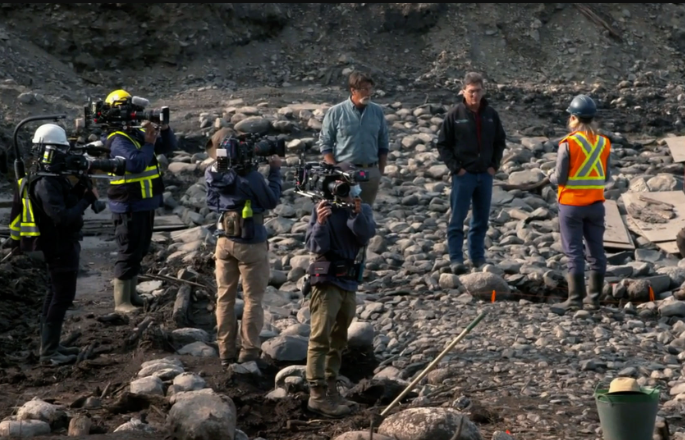
Assessing the Discovery: Scepticism and Verification
While media reports and fan speculation have run rampant, analysts must distinguish between sensationalism and verifiable data. The first crucial step is authenticating the chest itself: carbon dating any organic material, metallurgical analysis of hinges and locks, and comparisons with known historical artifact styles. Is it genuinely centuries old, or a modern fabrication? Does it bear markings, insignia, or construction features tied to known historical periods or figures?

This verification process is essential. Oak Island has attracted hoaxes and misguided interpretations in the past, and the team — particularly Rick and Marty Lagina — will be cautious to avoid premature conclusions. The presence of a chest washed ashore does not automatically confirm buried treasure; the ocean has long been a conveyor of washed‑up debris from shipwrecks, storms, and tidal movements. That said, if the chest can be conclusively tied to a historical maritime event or known shipwreck route, it could open a parallel investigative track alongside the subterranean quest.
This leads analysts to a compelling possibility: the chest may represent a maritime link to the island’s history, perhaps tied to documented shipwrecks or Colonial‑era movements. If Oak Island was part of a historical smuggling route, naval passageway, or colonial supply chain, artifacts could logically enter the island’s narrative via waterborne channels. In such a scenario, the ocean becomes not merely a perilous boundary but a gateway of historical evidence.
Narrative Shifts on The Curse of Oak Island
If the discovery holds up under scrutiny, viewers should expect the show’s narrative arc to shift in several ways:
- Expanded Historical Context
Rather than focusing exclusively on subterranean metal detection and soil stratigraphy, the team will likely broaden the investigation into maritime history. This could include mapping historical shipping routes, consulting naval records, and seeking expertise from marine archaeologists. Episodes may engage historians who specialize in Atlantic seafaring lore, colonial exchanges, and nautical trade networks stretching back to the 17th and 18th centuries. - New Excavation Strategies
With shoreline activity now part of the puzzle, excavation might extend into coastal and offshore zones. This could involve underwater sonar mapping, intertidal beach surveys, and studies of tidal sediment movement. The juxtaposition of offshore exploration and inland excavation would diversify the season’s visual and investigative landscape, offering fresh avenues of suspense and discovery. - Debate and Conflict Among Experts
No major finding in the Curse of Oak Island universe unfolds without debate. Expect internal tensions between team members and invited experts over interpretive frameworks. Some will argue the chest represents a clue to an interconnected treasure system; others may caution it is a red herring, unconnected to the deeper mystery beneath Smith’s Cove and the Money Pit region. These debates, grounded in conflicting methodologies and interpretive philosophies, create compelling viewing while advancing the research. - Public and Academic Engagement
Should the chest prove authentic and historically significant, Oak Island could see heightened involvement from academic institutions, museums, and heritage organizations. The show may depict formal consultations, conservation efforts, and cross‑disciplinary research that elevate the narrative from reality TV curiosity to scholarly investigation.
Predicting What May Be Inside the Chest
While speculation is premature, analysts can reasonably catalogue categories of possible contents based on historical contexts:
- Period Coins or Bullion: If the chest contains coins, they may provide dating clues and historic economic insight.
- Personal Effects or Logbooks: Found items such as journals, navigational tools, or personal belongings could lend insight into who transported the chest and why.
- Weapons or Tools: Colonial‑era tools or weaponry could indicate a stashed cache related to smuggling or military movements.
- Sealed Documents: Though unlikely due to water exposure, any preserved paper or parchment artifacts could prove invaluable for historical interpretation.
Of course, the chest could contain items of little monetary value but immense contextual significance — such as tools, handmade goods, or culturally specific artifacts that reveal the life of those who once passed near Oak Island’s shores.

Risks and Realities
Cornell University and other institutions have cautioned that excitement must not overshadow rigorous academic standards. Water‑logged artifacts degrade rapidly, and oceanic transport makes provenance establishment challenging. Rick Lagina’s team must balance the allure of dramatic television with methodical research. Misinterpretation or premature conclusions risk both scientific credibility and viewer trust.
Yet, from the standpoint of narrative momentum, this discovery — whether directly linked to an ancient treasure network or not — invigorates The Curse of Oak Island franchise. It reframes the mystery in broader terms, connecting geology, history, maritime activity, and human movement in ways the show has rarely explored before.
A New Chapter in the Oak Island Story
If the mysterious chest is more than a curiosity, it could catalyze the most diversified season yet, blending land and sea, archaeology and maritime history, expert debate and dramatic discovery. This development broadens the scope of The Curse of Oak Island and deepens its potential for revelation.
Ultimately, the journey from shoreline surprise to historical understanding reflects why Oak Island continues to fascinate. Each new clue, no matter where it appears, forces a re‑examination of assumptions and opens fresh avenues of inquiry. And in that perpetual search lies the heart of the legend, ever inviting viewers to wonder: what comes next?