BEYOND THE BEDROCK: 100-Foot Breakthrough Signals Turning Point in Oak Island Mystery
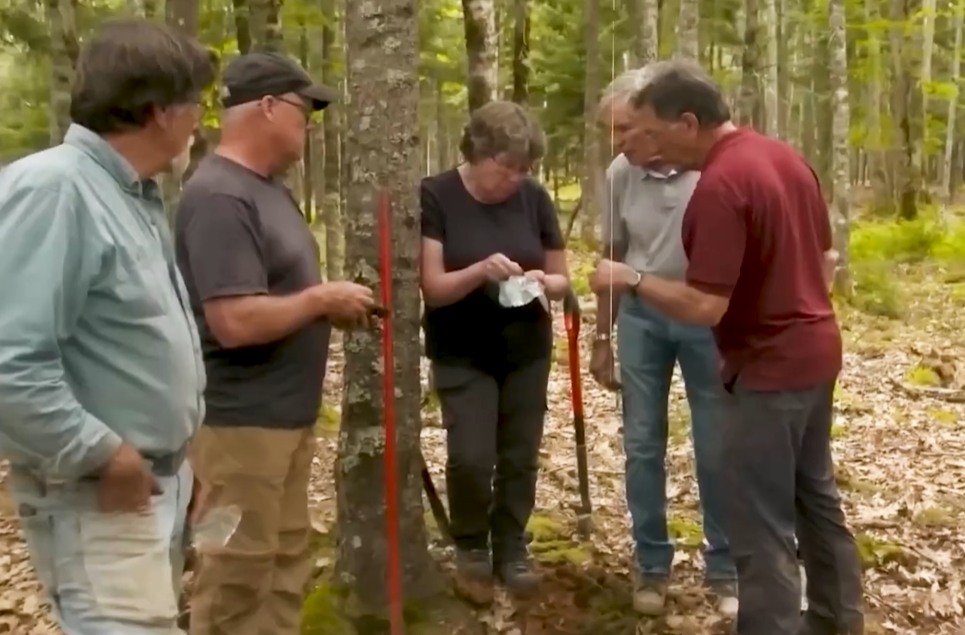
After 231 years of shifting sands, flooded shafts, and elusive clues, the search for the Oak Island treasure has reached what experts are calling a “definitive turning point.” In a dramatic development at the T1 shaft, the Lagina brothers and their team have confirmed the existence of a man-made structure and a significant metal signature located nearly 100 feet underground—a depth that has historically frustrated even the most well-funded expeditions.
The T1 Breakthrough
The discovery follows a season defined by a shift from broad exploration to “surgical precision.” Focusing exclusively on the T1 shaft, the team navigated a gauntlet of collapsing casings, rock ledges, and the island’s notorious flood tunnel system.
At approximately 80 feet, scanning data began to shift from random geological noise to organized, patterned signals. By 90 feet, those signals sharpened into straight, measured edges. When the drill finally reached the 100-foot mark, the data revealed a massive underground cavity. “It keeps going deeper in there,” noted one operator, confirming that the team had breached not a natural pocket, but a deliberate void.
“Non-Ferrous” Gold?
While the structure itself is a feat of 16th or 17th-century engineering, the most shocking revelation came from the team’s advanced scanning equipment. From within the sealed chamber, sensors detected a strong “non-ferrous” metal signal.
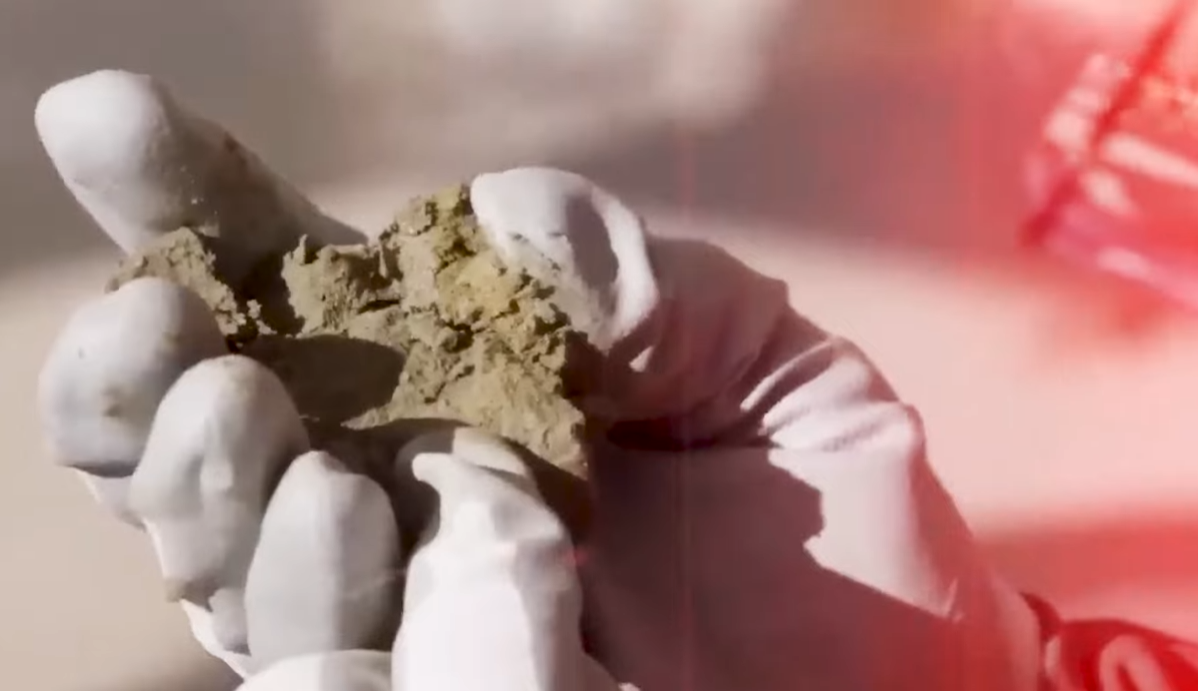
Unlike iron or steel, which often signal modern contamination, non-ferrous readings indicate materials like copper, bronze, or most significantly, gold. “It looks like gold,” a team member whispered as the reading held steady. The presence of such materials inside a sealed, deeply buried structure suggests an intentional deposit of immense value—one protected by a sophisticated system of walls, floors, and reinforced ceilings designed to survive centuries of pressure.
The Death of the Pirate Myth
For years, the “Pirate Theory” dominated Oak Island lore. However, the sophistication of the T1 structure, combined with earlier finds this season—including a 1500s pickaxe and a cobblestone road leading toward Lot 8—suggests a state-level or military-grade operation.
“Pirates didn’t engineer complex flood tunnels or sealed chambers 100 feet down,” noted an analyst close to the project. “This was the work of professionals with a plan, a massive workforce, and a reason to hide something for eternity.”
A Brother’s Dream
For Rick and Marty Lagina, the discovery represents a rare alignment of faith and logic. Rick, the “believer” whose 13-season quest has been fueled by the hope of a single piece of undeniable truth, approached the find with uncharacteristic silence—the quiet of a lifelong hope becoming reality. Marty, the skeptical engineer, found himself unable to provide a natural explanation for the steady metal signal and organized geometry appearing on his monitors.
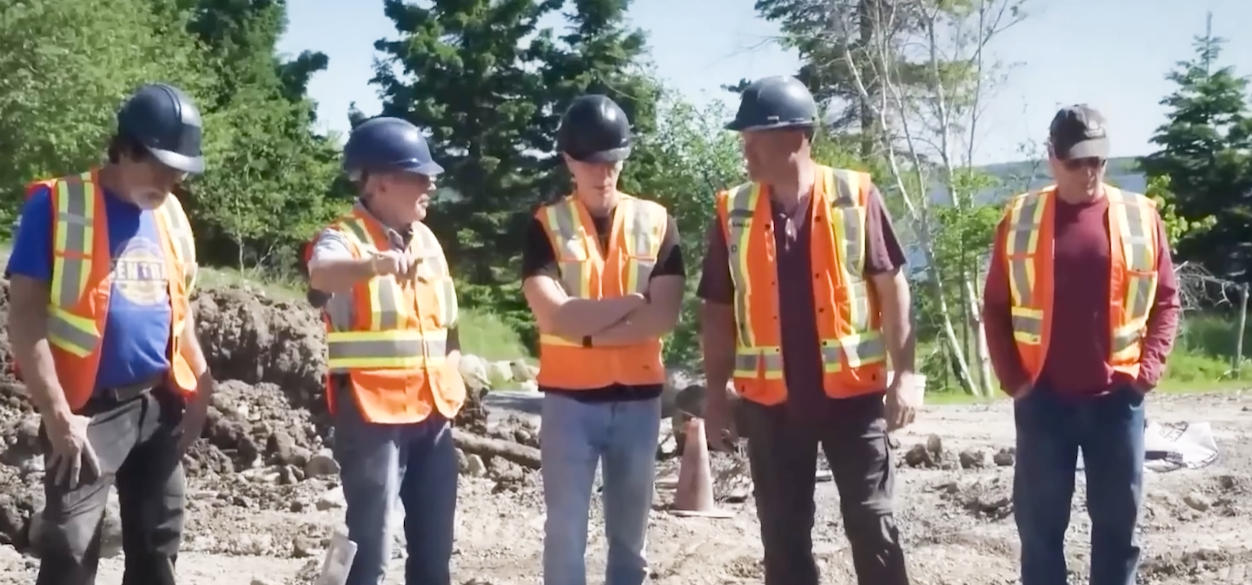
As the team prepares for the next phase of extraction, the question is no longer if something is buried on Oak Island, but who put it there and how they managed to keep it a secret for over two centuries.