BEYOND THE GOLD: OAK ISLAND FINALE UNCOVERS ANCIENT CHAMBER, REWRITES LEGEND
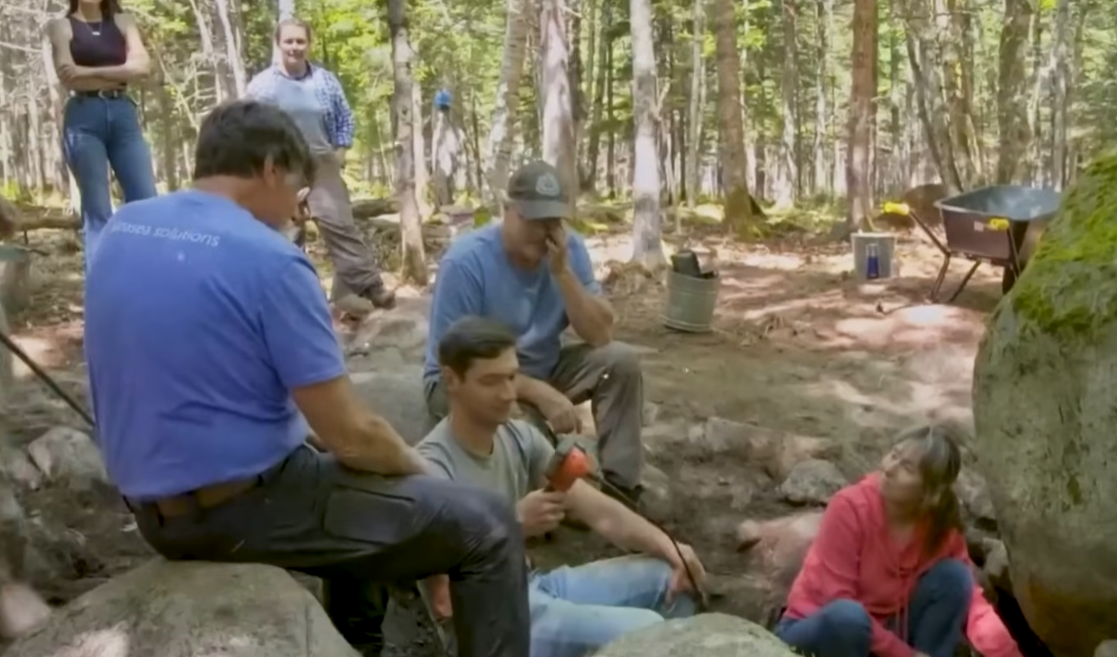
For over two centuries, the mystery of Oak Island has been defined by a singular, glittering obsession: treasure. But as the thirteenth season of the world’s longest-running hunt reached its climax this week, the narrative of pirate gold and buried bullion was shattered by a discovery that may force historians to redraw the maps of the medieval world.
Deep beneath the “Money Pit” zone, in a reinforced shaft dubbed Cerberus, the team led by Rick and Marty Lagina breached a void that data suggests is not a treasure vault, but a sophisticated, engineered sanctuary.
The “Underworld” Camera Feed
After weeks of battling flood tunnels and shifting soil, the team lowered a specialized fiber-optic camera into a rectangular chamber 200 feet below the surface. The images that flickered onto the monitors in the “War Room” silenced a decade of skepticism.
The chamber is not carved from the island’s natural limestone. Instead, it is lined with smooth, dark slabs of basalt—a volcanic rock not native to Nova Scotia. “Someone hauled volcanic rock across an ocean centuries ago,” Marty Lagina noted, highlighting the immense logistics required for such a feat.
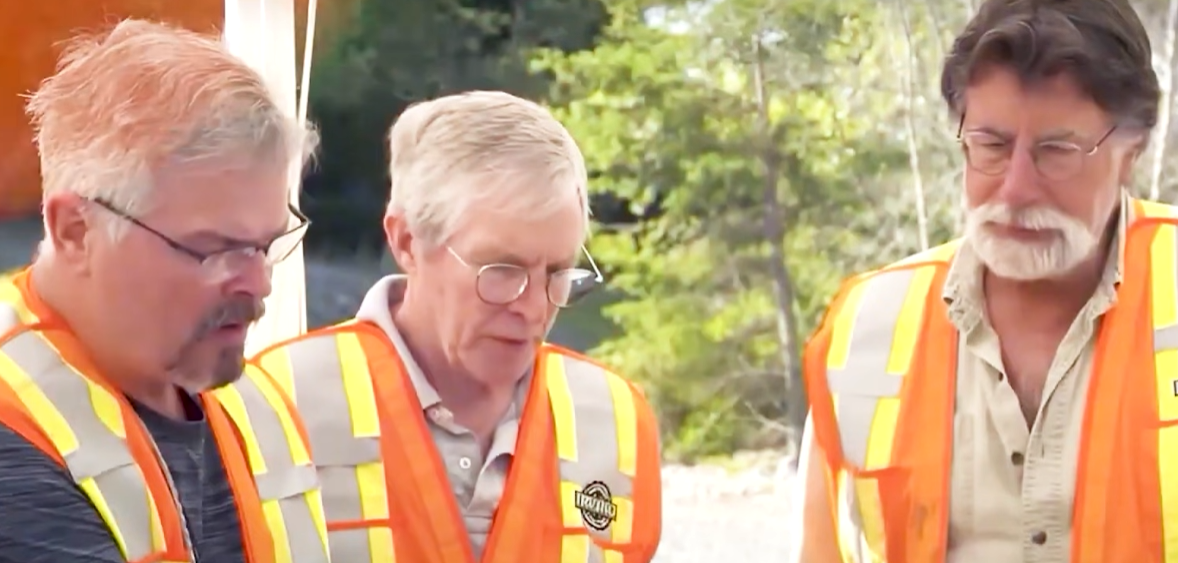
Embedded in the basalt was a large, circular metal disc made of a dark alloy, potentially electrum or tumbaga. Its surface is engraved with intricate, swirling symbols and celestial maps depicting stars and planets. According to Dr. Finch, a specialist in ancient symbolism, these markings are “astronomical shorthand” linked to the Order of the Sacred Covenant, a breakaway faction of the Knights Templar.
A Fortress, Not a Vault
The most startling realization for the team was the architectural intent. The symmetry and precision of the alignments suggest military fortification rather than a simple hiding hole.
“This wasn’t built to hide gold,” Rick Lagina whispered during the reveal. “It was built to protect something dangerous… or something sacred.”
Expert analysis suggests the chamber dates back to the early 14th century, coinciding with the 1307 suppression of the Knights Templar in France. The presence of a “Sanctuary Mark”—a cross within a structure—indicates that the site was intended as a final refuge for knowledge and relics following the Order’s persecution.
The 1307 Connection
Historians have long debated the fate of the Templar fleet that vanished from La Rochelle the night before the mass arrests ordered by King Philip IV. The Oak Island discovery provides a radical new theory: that the fleet, utilizing advanced navigational techniques and perhaps inherited Viking knowledge, crossed the Atlantic to preserve their legacy in the “New World” nearly 200 years before Columbus.
“This is a signal, a waypoint,” Dr. Finch explained via video link. “The chamber wasn’t the destination. It’s an astronomical instrument designed to direct us toward a final resting place.”
The Legacy Shift
For the Lagina brothers, the breakthrough has fundamentally changed the mission. The “Honeycombing” strategy—once an aggressive hunt for chests—is now a surgical archaeological effort to follow a 700-year-old map.
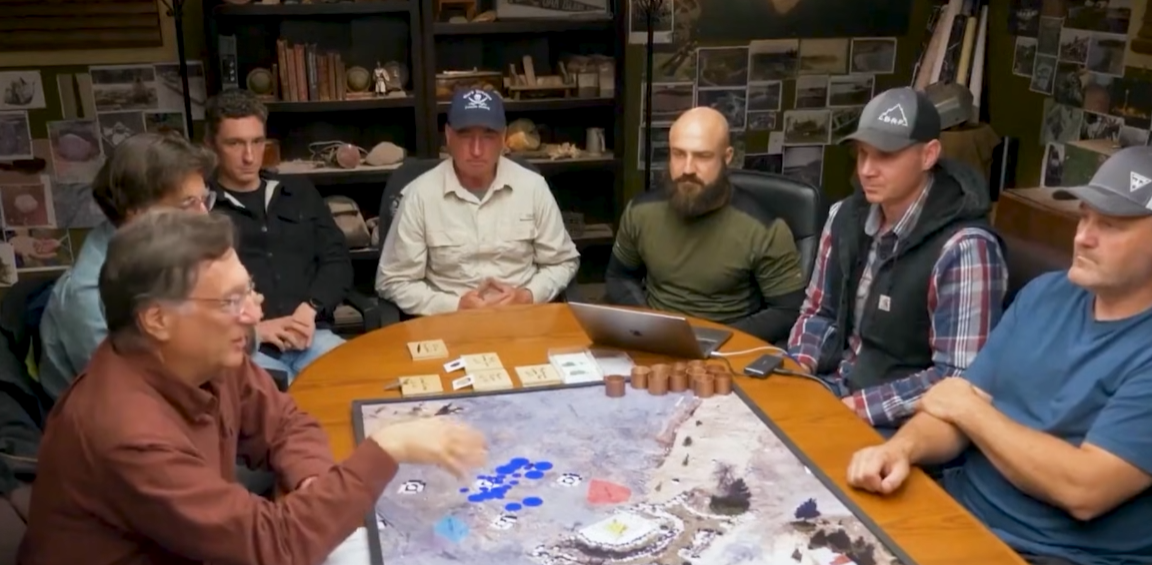
As the season concludes, the atmosphere on the island is one of somber focus rather than celebration. The team is no longer chasing a payday; they are chasing a message left by a civilization that refused to let its history be erased.
“We found the X,” Marty Lagina concluded. “Except it doesn’t mark the treasure. It points to where the real story begins.”