Craig Tester’s Rare Underground Gold Find Could Create a New Treasure-Hunting Turning Point.
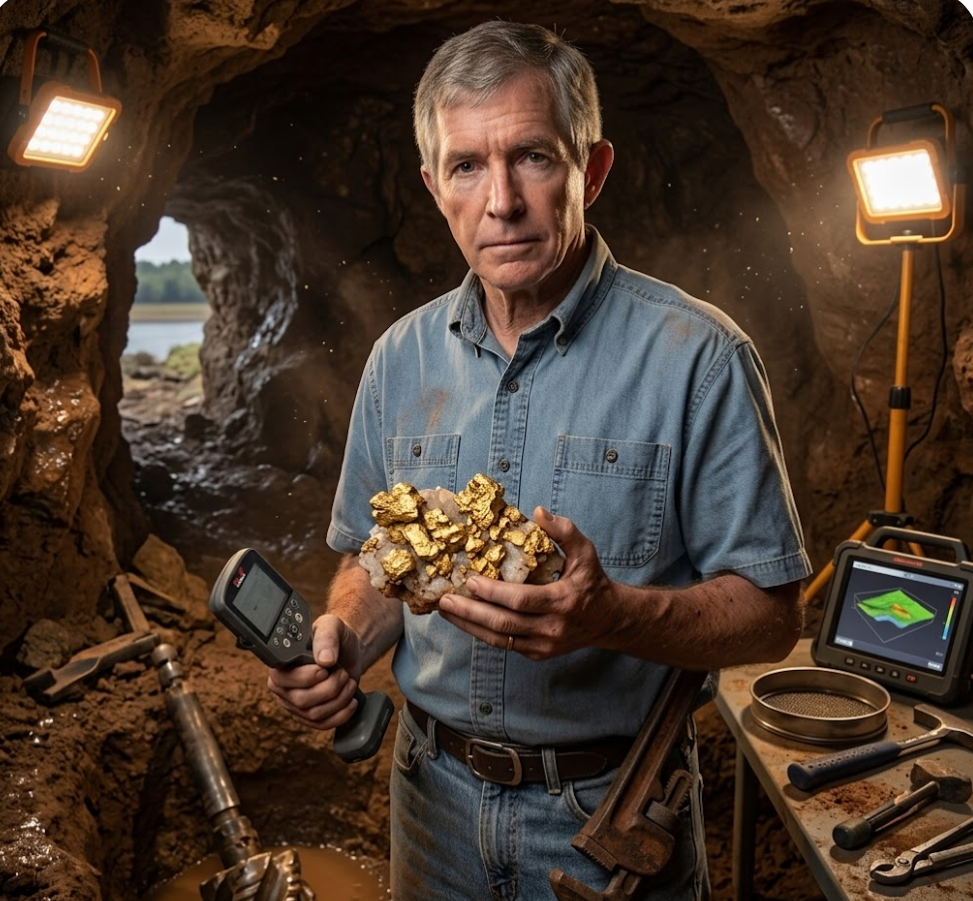
Craig Tester has long been associated with careful analysis, engineering logic, and patient investigation rather than the high-speed mining pressure usually seen on Gold Rush. That is why the idea of Tester becoming wealthy after discovering a rare gold mine deep underground would be such an intriguing television storyline. It would not simply be a tale of sudden fortune. It would represent the meeting point between scientific discipline, treasure-hunting instinct, and the harsh economics of modern gold extraction.
From a programme analyst’s point of view, this premise works because Craig Tester is not the typical goldfield operator. He is not built on the same image as Parker Schnabel, Tony Beets, or Rick Ness, men whose stories are often shaped by massive machinery, seasonal targets, crew pressure, and the constant race to move enough paydirt before winter arrives. Tester’s appeal comes from a different place. He is methodical. He studies data. He thinks in systems, structures, maps, and probability. If someone like him uncovered a rare gold deposit deep beneath the ground, the first question would not be how fast he could mine it, but how precisely he could prove its value.
That difference would shape the entire narrative.
A deep underground gold discovery is far more complicated than a surface-level find. It is not enough to see promising material or recover a strong test sample. The team would need to understand the geology, the depth, the access route, the stability of the ground, the likely grade of the ore, and the cost of extraction. For Craig Tester, this would likely become an analytical challenge before it became a financial success. His first move would probably be to confirm the deposit through drilling, scanning, core samples, and expert review.
This is where the storyline could become especially compelling. On Gold Rush, the usual tension comes from machinery breaking down, crews running out of time, or miners betting their season on a new cut. With Tester, the tension would be quieter but potentially deeper. Viewers would be watching a man decide whether the evidence is strong enough to justify a major investment. One rich vein can look life-changing on paper, but underground mining can quickly become expensive, dangerous, and logistically complex.
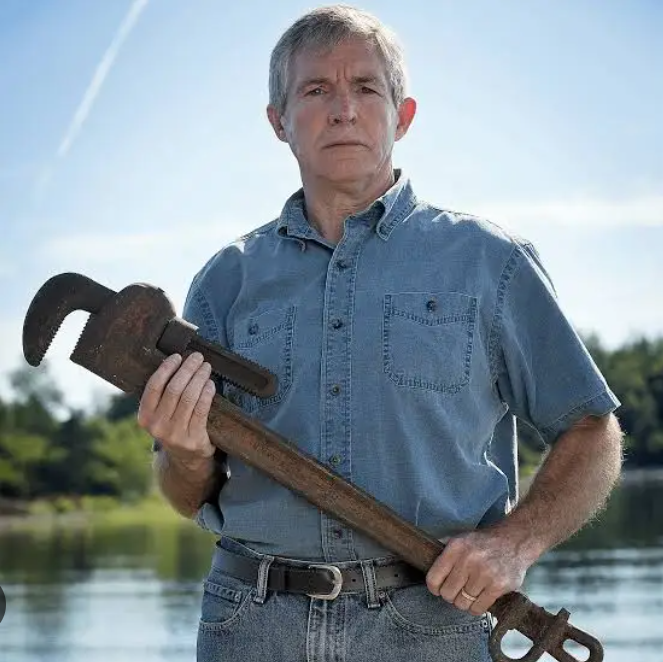
The discovery could also create a major shift in how fans perceive Tester. On Oak Island, he is often seen as part of a team searching for historical answers and buried secrets. In a gold mining context, however, the reward is more direct: ounces, grade, operating cost, and profit. If Craig Tester truly found a rare gold mine deep underground, the story would move from mystery to measurable value. Every decision would carry a financial consequence.
The most likely development would be a phased approach. Tester would probably not rush into full extraction. Instead, he would build the case step by step. First would come geological confirmation. Then would come a cost assessment. After that, he would need to decide whether to partner with experienced miners, hire underground specialists, or license the site to a larger operator. This would be a sensible path for someone with his background. Tester’s strength is not reckless speed; it is structured decision-making.
That could make the discovery more believable as a long-term storyline. Rather than one dramatic cleanup, the mine could become a multi-season project. The first season might focus on the discovery itself: strange readings, difficult drilling, and the first signs of rare gold-bearing material. The next stage could explore whether the mine is commercially viable. Later episodes could follow the effort to access the deposit safely and turn the discovery into a working operation.
For television, this opens several strong angles. One would be the contrast between treasure hunting and industrial mining. Another would be the tension between optimism and caution. Tester may have evidence of extraordinary value beneath the ground, but the deeper the deposit lies, the more expensive it becomes to reach. That creates a natural question for viewers: is this a fortune waiting to be unlocked, or a costly underground puzzle?
The discovery would also likely attract attention from other mining figures. If placed within a Gold Rush-style universe, someone like Parker Schnabel would immediately understand the operational challenge. Parker might admire the scale of the find but question whether the numbers work. Tony Beets, with his experience and blunt pragmatism, might focus on whether the ground can produce quickly enough to justify the machines, fuel, labour, and risk. Their reactions would help frame Tester’s situation for the audience.
My prediction is that Craig Tester would not treat the find as an instant jackpot. He would treat it as an asset that must be proven. That distinction matters. In mining, wealth does not come from discovering gold alone. It comes from extracting it profitably. A rare underground mine may hold enormous value, but until access, grade, processing, and costs are controlled, it remains a promise rather than a payday.
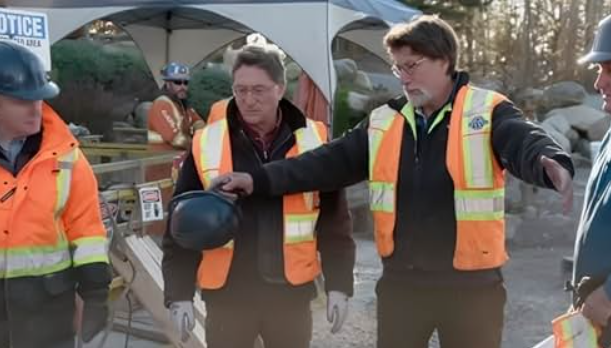
This is where the story could become emotionally powerful. Tester is known for patience and persistence. If he found a deposit that could change his financial future, the pressure would not only be about money. It would be about whether years of technical thinking and investigative discipline had finally led to something undeniable. For fans who know him from Oak Island, the idea of Tester moving from clues and theories to a tangible gold discovery would feel like a major evolution.
The bigger question is what such a discovery would mean for his future. Would he become a serious player in the mining world? Would he partner with an established Gold Rush operator? Or would he use the discovery to fund further exploration elsewhere? Each possibility could create a different path for future episodes.
In the end, Craig Tester’s rare underground gold mine would not be compelling simply because it could make him wealthy. It would be compelling because it would test the very qualities that define him: discipline, caution, technical judgment, and the ability to separate hope from evidence. If the deposit proves real and profitable, it could become one of the most fascinating treasure-to-mining storylines television has seen in years.