I visited a ‘cursed’ island – and stumbled upon a 230-year mystery
Sixteen-year-old Daniel McGinnis stared at a strange pit in the ground. His skin prickled.
It was 1795, and Daniel was exploring a tiny island off the coast of Nova Scotia, Canada, where he lived. No humans inhabited this small speck of land, which was covered with towering oak trees that gave the place its name: Oak Island.
Hiking through the forest, Daniel had suddenly come across a round, shallow dent in the ground—like someone had dug a giant hole and filled it back up. A thrilling possibility seized Daniel’s heart.
Treasure.
In that time and place, finding buried treasure would not have seemed so unlikely. Throughout the 1600s and 1700s, pirates had prowled the waters off eastern Canada. The fearsome Scottish pirate Captain William Kidd was rumored to have stashed a hoard of gold somewhere in the area. Why not here, on Oak Island?
It took nearly 10 years, but finally, in 1803, Daniel was able to return to the pit with a team. They began digging. And digging. And digging.
Finally, 90 feet down . . . thump. The crew hit something hard: a large flat stone with strange, unreadable symbols carved into it. The workers removed the stone—but before they could dig much farther, the pit began to flood with water. For hours, they tried emptying the hole with buckets, but to no avail. Eventually, the team was forced to give up.
This was the end of Daniel McGinnis’s golden dreams—but just the beginning of the longest, most expensive treasure hunt of all time.
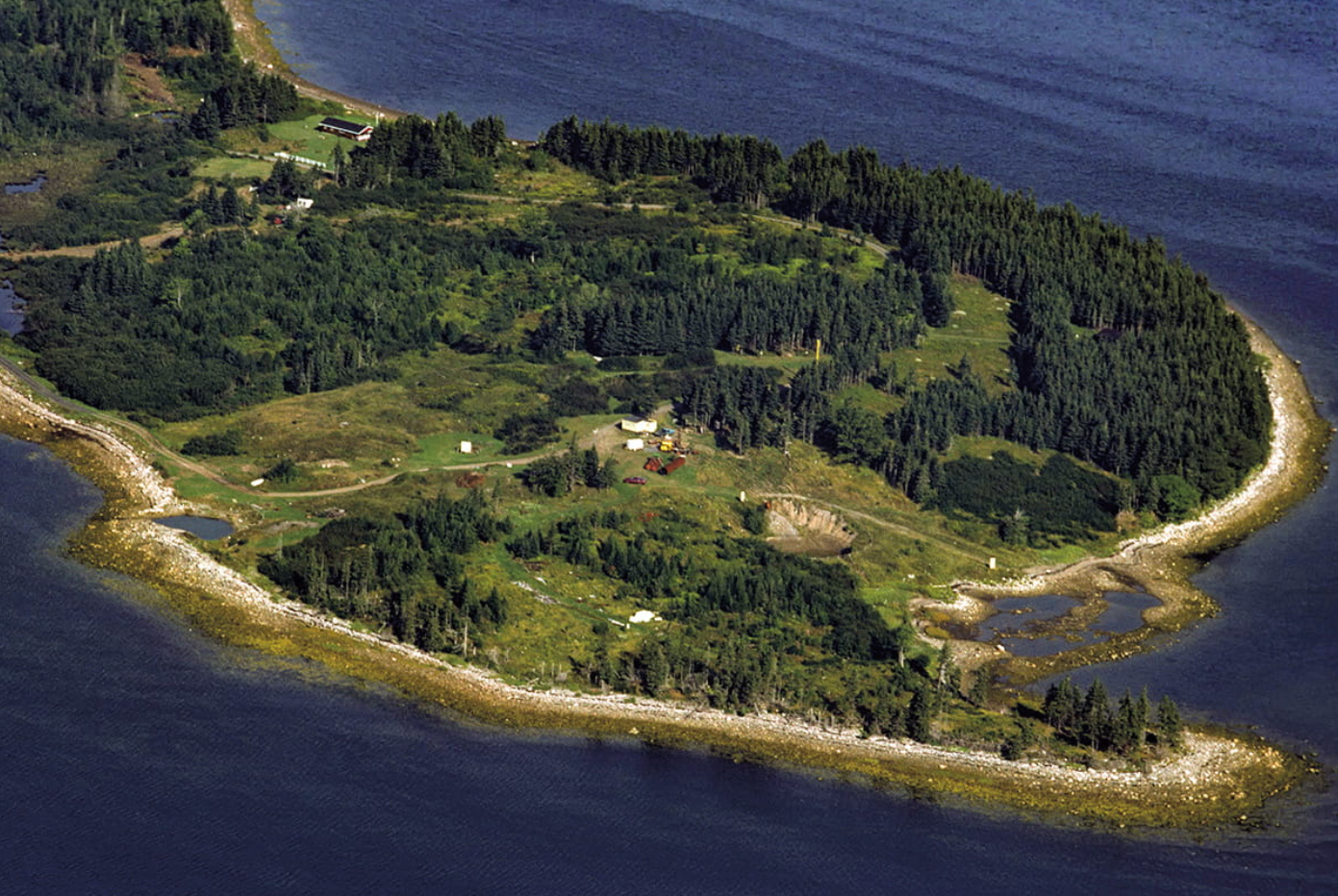
In the centuries to come, the mysterious hole that soon became known as the “Money Pit” would swallow up hopes, fortunes, and even human lives.
The Mystery
Rick and his younger brother, 10-year-old Marty, had grown up digging for treasure in the woods near their house. Now, reading the article, Rick quickly became obsessed with the Oak Island mystery. Was there really treasure deep within the Money Pit? If there was, who had hidden it there? And most important: Would it ever be found?
In the years after Daniel McGinnis’s discovery, news of the mysterious Money Pit had spread far and wide. More treasure seekers were drawn to Oak Island. Among them were powerful businesspeople, famous actors, and even a future president of the United States, Franklin D. Roosevelt.
Early on, these searchers had noticed something strange. The water filling the Money Pit was salt water, not fresh water, which is what is normally found underground. Stranger still, five human-made drains were discovered beneath the sand at a nearby beach. The drains, people surmised, must have been collecting salt water from the ocean and sending it into the pit through a hidden tunnel. Was this a booby trap designed to keep anyone from digging too close to the treasure?
Then there was the symbol-covered stone that Daniel’s team had found. A language professor at Dalhousie University in Halifax, Nova Scotia, reportedly studied the stone around 1865. He claimed that the symbols translated to “Ten feet below, 2 million pounds are buried.” (At the time, Nova Scotia used British pounds as currency.)
To treasure hunters, these were thrilling clues that suggested something remarkable was buried on Oak Island. For Rick, finding it would become a lifelong quest.
Unlocking Secrets
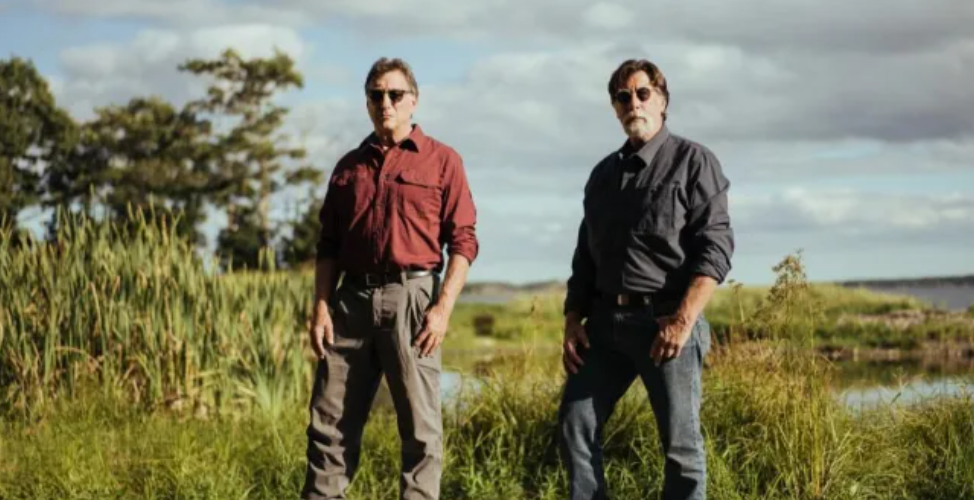
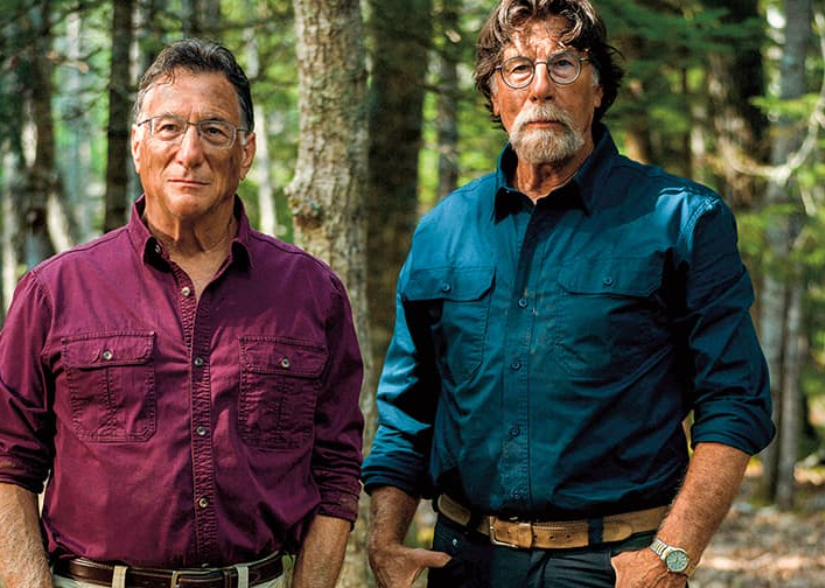
For nearly 40 years after reading that magazine article, Rick remained fascinated with the mystery of Oak Island. In 2004, he was 52 and a postal worker, but he still dreamed of finding the treasure. His brother, Marty, a successful engineer and business owner, was skeptical that it existed. Nevertheless, Rick convinced Marty to help him launch a search on Oak Island—a grown-up version of their childhood treasure hunts.
It took the brothers years to get permission from the Canadian government to move forward with a search. Finally, in 2012, they arrived on the island. More than 200 years of digging had left the land scarred with countless holes and tunnels. No one even knew the location of the original Money Pit anymore.
For their project, Rick and Marty teamed up with a local treasure hunter, Dan Blankenship. Dan had become intrigued by Oak Island after reading the same article that Rick read in 1965, and he’d been searching for the treasure ever since. Now, at nearly 90 years old, Dan worried that he might not live to see the mystery solved.
He hoped that Rick and Marty could help him finally unlock the island’s secrets.
The Island
Oak Island is one of more than 350 islands in Mahone Bay, off the eastern coast of Canada. It was the only one of these islands covered in giant red oak trees. Today most of the oaks are gone, however, after being destroyed by ants in the 1800s.
Stolen Riches
But what exactly were they looking for? People were no longer sure the island’s treasure was pirate’s gold. After all, there was no real evidence pirates had ever set foot on the island.
Some people, including Dan, believed the treasure was actually riches stolen by the Spanish. Between the 1500s and the 1700s, invaders from Spain sailed across the Atlantic Ocean to Central and South America. They attacked the people living there and stole their gold, silver, and jewels. As the invaders headed back to Spain, many of their ships would have passed within a few hundred miles of Oak Island. What if some of the invaders had decided to hide stolen loot there? That way, they would not have had to turn it over to the Spanish king.
Others thought the island could be hiding something entirely different. Priceless ancient artifacts, for example. Or the lost jewels of a French queen. Or secret works by a famous writer. The list of theories was almost endless.
The Real Evidence
In their quest to uncover the truth, Rick and Marty sank robotic cameras into flooded pits and used powerful drills to bore deep underground.
But by the end of their second summer of hunting, in 2013, the team still had not found any treasure. It would soon be time to take a break during the colder months, and Marty was not entirely sure they should return the next summer. How much more time and money would they sink into an unsuccessful search?
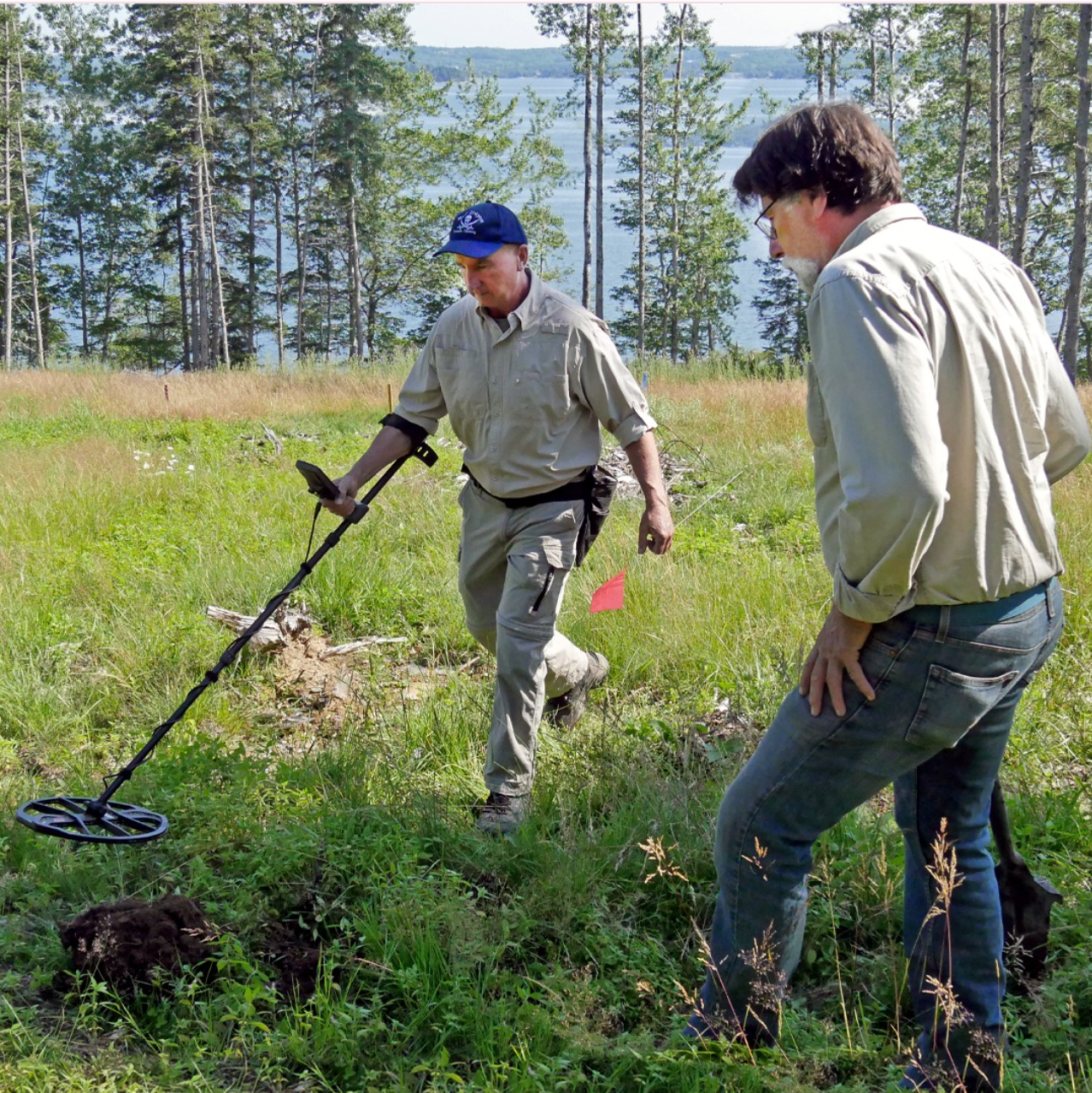
It was around this time that the team was exploring a swamp on the island. A member of the crew was waving his metal detector over the murky water when he heard it: beep-beep-beep-beeeeeeeep.
“I’m getting a hit here,” the crew member called.
He plunged his hand into the muck—and pulled out something small and round. A coin!
The team would soon learn that it was a Spanish coin from the 1600s. The coin itself was worth little—it was made of copper, like a penny. But it was a clue. Spanish invaders from the time would have used such a coin. It was also a type often traded by pirates.
Later Rick, Marty, and their team showed the coin to Dan.
“That’s the first thing I’ve held in my hands since I’ve been here—almost 48 years,” the older man said, his voice choked with tears. “The real evidence.”
“It was an emotional moment,” Marty remembers. And it was enough to persuade him to continue their search.
The Curse
Since then, Rick and Marty have returned to Oak Island each year. Over more than 10 seasons, their show on the History Channel, The Curse of Oak Island, has become one of the most popular reality shows on TV. Millions of viewers tune in each week to see what the Laginas uncover.
The brothers have made many other fascinating finds, including a jeweled pin, a piece of metal that might have come from a treasure chest, and 400-year-old human bones. Experts on their crew have studied such discoveries for clues about where and when they came from. But so far, the team has not found a large cache of treasure.
Some claim this is because Oak Island is cursed. For years, people living near the island have reported seeing eerie things there: ghosts, witches, a dog with blood-red eyes. According to local legend, seven people must die in the hunt for the treasure before it is found. And over more than a century and a half of dangerous digs, at least six searchers have been tragically killed.
Will one more have to die before the mystery is solved?
Basic Science
Yet others say no treasure has been found for a simple reason: There is none to find.
Steven Aitken is a geologist who has studied Oak Island. He says the real key to the mystery is the island’s bedrock, the layers of rock that lie deep underneath its soil.
Oak Island’s bedrock is made up, in part, of limestone and gypsum—which are prone to dissolving over time. As a result, the bedrock is full of naturally occurring caves. (“Like the holes in Swiss cheese,” Aitken explains.) Sometimes these underground caves collapse. This causes a sinkhole to open up suddenly in the earth above.
Along with several other scientists, Aitken believes that Daniel McGinnis’s original Money Pit was a sinkhole. And the salt water that flooded the pit, the alleged trap? One reason for the flooding, Aitken explains, is that the island’s bedrock extends beneath the ocean that surrounds the island. Salt water enters the bedrock under these waters and flows through the caves under Oak Island. If a person digs down far enough, that water can gush up suddenly. “All these features can be explained by basic science,” Aitken says.
As for the stone drains found underneath the beach? Those likely had nothing to do with protecting treasure, Aitken says. They were probably used for another purpose—like repairing ships.
And what about the flat stone that Daniel’s team found, with the writing that promised 2 million pounds? It has long been suspected that the translation was a hoax, made up to attract wealthy people who could pay for new treasure hunts. And around 1920, the stone mysteriously vanished.
Today there are no photos to prove whether there was even an inscription on the stone at all.
The Real Treasure
But even if there is no glittering treasure on Oak Island, Aitken says, there are still fascinating mysteries to unravel there.
For example, who left behind the many objects dating back to before Daniel’s first visit? These artifacts have valuable stories to tell about the human history of Oak Island, even if they’re not tales of buried riches.
Taken together, Aitken says, the items paint a picture of centuries of human activity—farming, logging, shipbuilding, even military operations—on the island and on the mainland of Nova Scotia.
“The treasure is all of these artifacts they’ve found,” Aitken says.
Rick and Marty agree, though they also still believe precious treasure is buried somewhere on the island. They hope to find it to fulfill not only their own dreams but also those of all the treasure hunters who came before them—including Dan Blankenship, who died in 2019.
Still, the search itself has already brought its own rewards for the brothers: the objects they’ve dug up, the history they’ve explored, the TV viewers they’ve inspired, the bonds their team has formed over the years.
“There have been so many lessons, so many life experiences. We’ve learned that every one of them is treasured,” Rick says.