Five Jaw-Dropping Theories Redefining the Oak Island Mystery
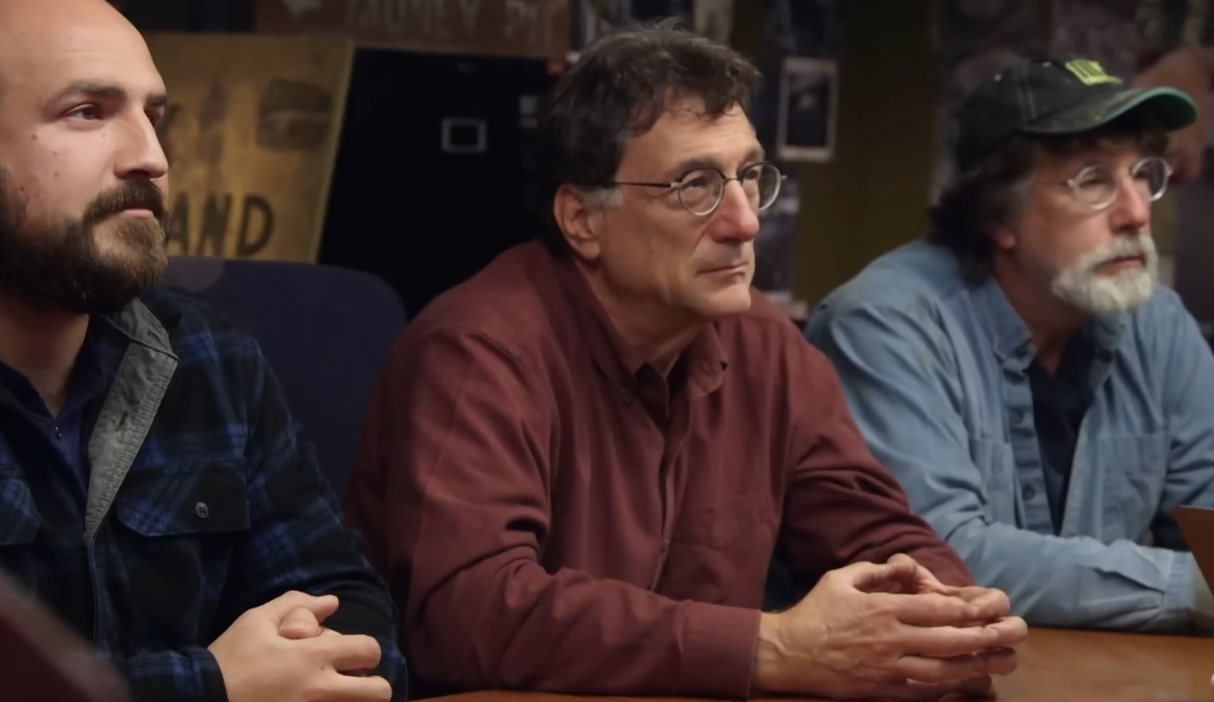
For over two centuries, Oak Island has been a landscape of “rumor, conjecture, and supposition.” However, as the Lagina brothers push deeper into the island’s subterranean secrets, a series of radical new theories is challenging the traditional narrative of pirate loot. From ancient Mesoamerican mining to high-tech radiation tracking, the hunt for the “who” has become as tantalizing as the “what.”
Here are the five most astonishing theories currently reshaping the investigation:
1. The Aztec “Blue Clay” Connection
Researcher John Stemmer has introduced a theory that pushes the island’s timeline back to 800 A.D. He suggests that the Aztec Empire voyaged north in search of palygorskite—a rare blue clay used to create “Maya Blue” pigment, which was often more valuable than gold.
Stemmer argues that the original “Money Pit” was not a treasure shaft, but a Mesoamerican ventilation shaft for a deep-earth clay mine. When the Aztecs later returned to hide their physical wealth, they allegedly “remodeled” the mine into the elaborate flood-trap system that has baffled searchers for centuries.
2. The Enochian Temple and the Royal Arch
A second theory delves into the esoteric world of Freemasonry. Advocates point to the “Royal Arch of Enoch” legend, suggesting the Money Pit is a deliberate, physical copy of Solomon’s Temple.
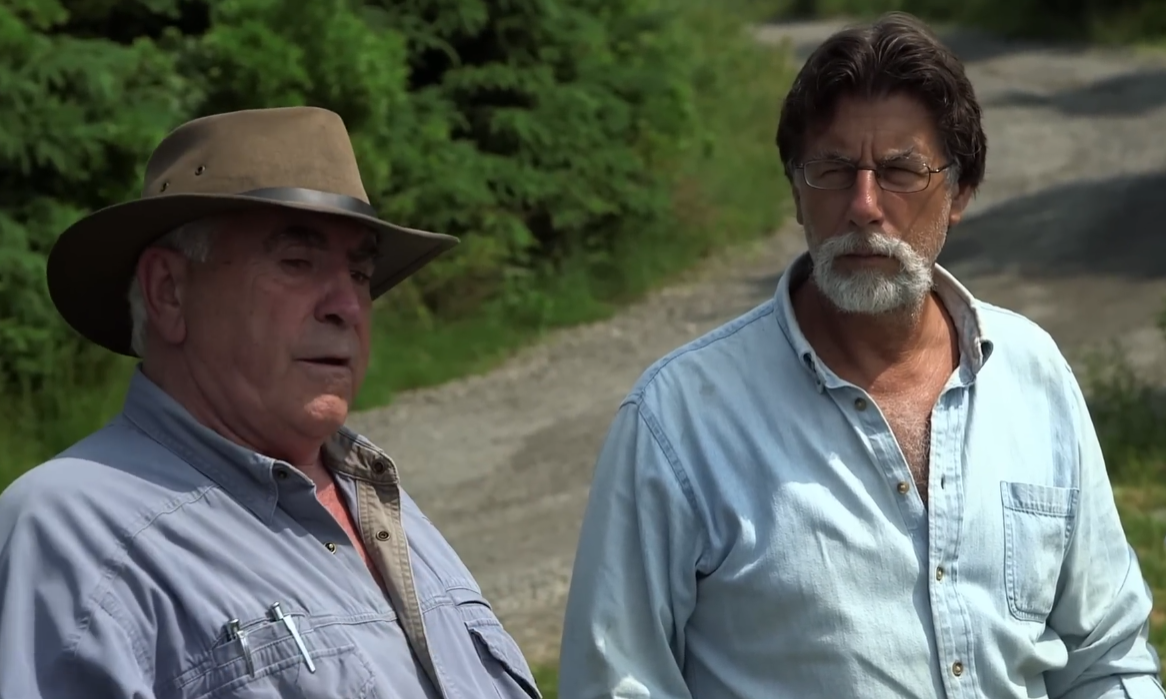
According to this view, the flat stone platforms discovered every ten feet by the original 1795 excavators mirror Masonic rituals. This theory posits that the “treasure” isn’t gold coins, but the Ark of the Covenant, hidden within a “vault of Enoch” located at a fixed compass point—likely due west of the original pit.
3. Financing the American Revolution
Could Oak Island be the secret bank of the United States? Some researchers believe the Roquefort and De la Rochefoucauld families—allies of the Duc d’Anville—may have used the island as a massive “safety deposit box.”
Evidence suggests these French aristocrats were close associates of Benjamin Franklin and Thomas Jefferson. The theory argues that Oak Island treasure may have been surreptitiously retrieved to finance the American Revolutionary War, making the site a “National Treasure” for both Canada and the U.S.
4. Zena Halpern’s 1347 Templar Map
The late Zena Halpern provided the team with a hand-drawn map dated 1347, which features French labels that correlate perfectly with modern Oak Island geography. The map identifies features such as “The Basin” (the swamp), “The Valve,” and a specific point labeled “The Oak: Enter Here.”
Most shockingly, Halpern’s research links the island to King David’s General, Joab, and 12th-century Templar voyages. This theory suggests that an international organization used Oak Island as a strategic waypoint for gold transported from Africa long before Columbus set sail.
5. Archeoastronomy and the Radon Signal
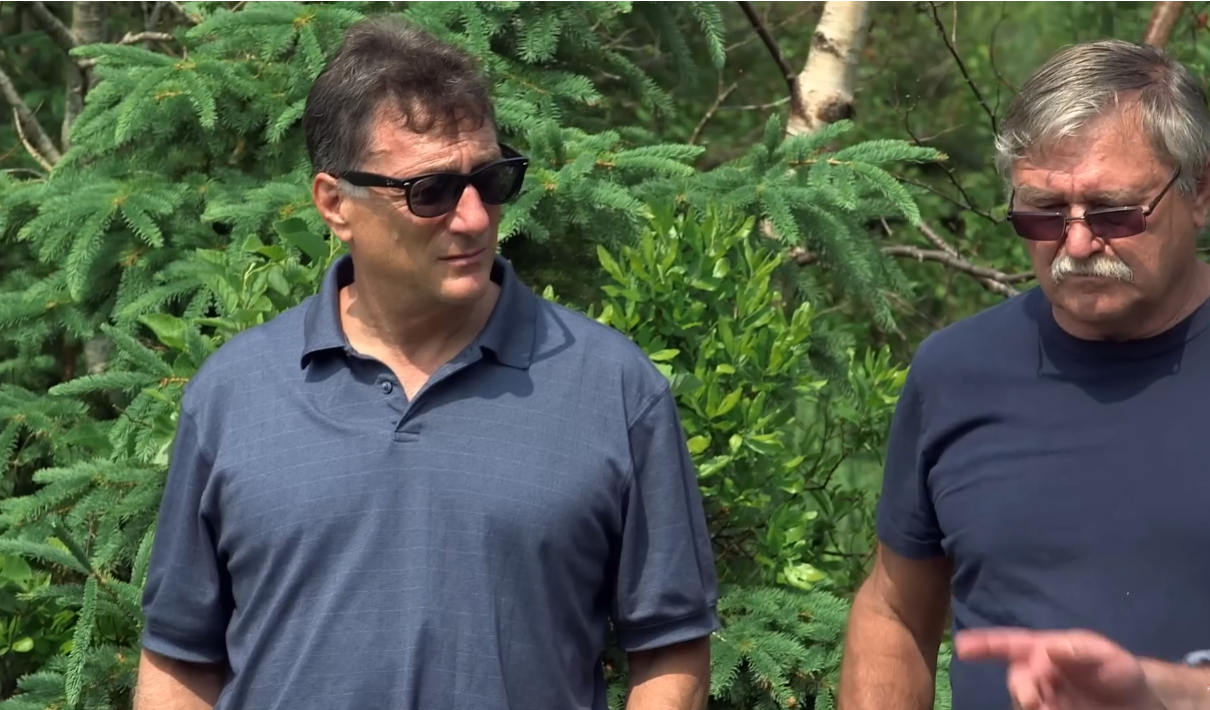
The most scientific approach comes from Dr. Travis Taylor, who has introduced two groundbreaking methods of discovery:
-
Radon Testing: Taylor suggests that deep, fluid-filled cavities create a buildup of radon gas from decaying uranium in the bedrock. Measuring these gas spikes could allow the team to “see” the treasure vault without digging.
-
The Pleiades Alignment: Taylor overlaid a map of the Pleiades constellation (part of Taurus) onto the island. The results were startling: at every “star point” on the map, the team discovered a massive, unnatural boulder or stone monument.
As Rick Lagina often reminds his crew, “Science must be a component of the search.” Whether the answer lies in the stars or the soil, these five theories prove that the mystery of Oak Island is far larger than a simple hole in the ground.