THE ICELANDIC CONNECTION: Viking Manuscripts and Roman Coins Bridge the 2,000-Mile Gap to Oak Island
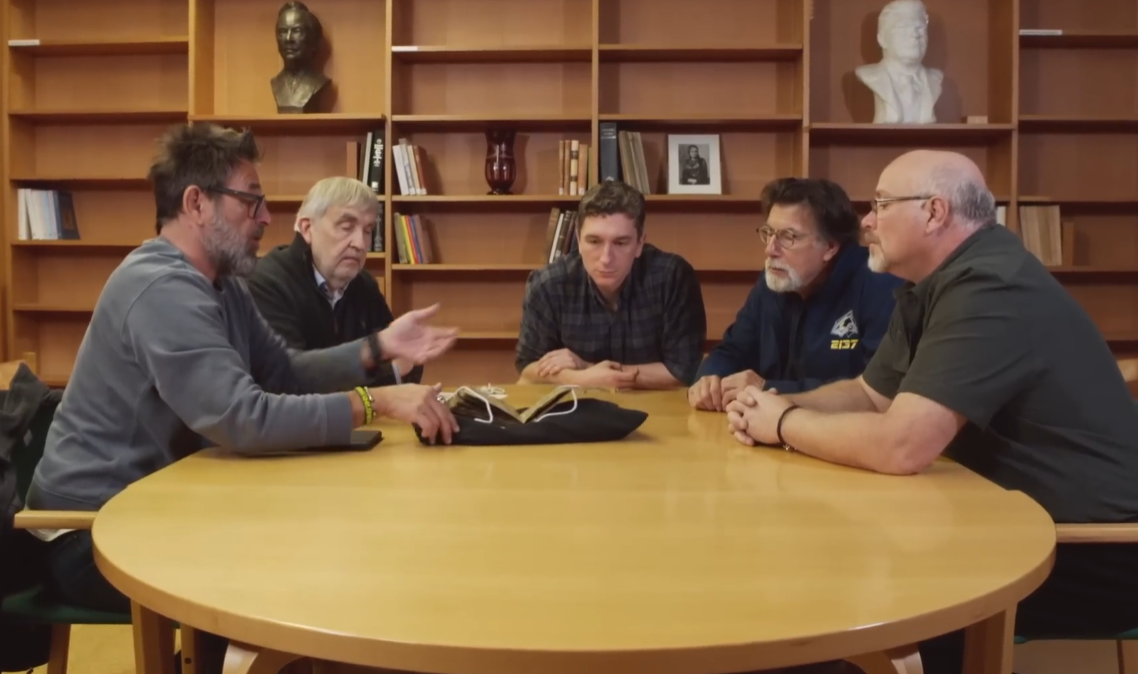
The search for the origins of the Oak Island mystery has moved from the muddy pits of Nova Scotia to the hallowed halls of the National Museum of Iceland. In a series of stunning revelations, Rick Lagina and his team have identified “connective tissue” between medieval Norse manuscripts, Roman currency, and the megalithic structures of the North Atlantic.
The expedition to Reykjavík has provided what researchers call the most compelling evidence yet that the Norse may have acted as the maritime navigators for a multi-generational effort to conceal treasure in the New World.
The “Day Star” and Sacred Geometry
Working alongside Emiliano Sacchetti and Professor Adriano Gaspani, the team examined a 12th-century Norse manuscript written in a blend of Latin and Old Norse. The text, dated between 1190 and the early 14th century, contains advanced astronomical data—specifically naming the star Arcturus.
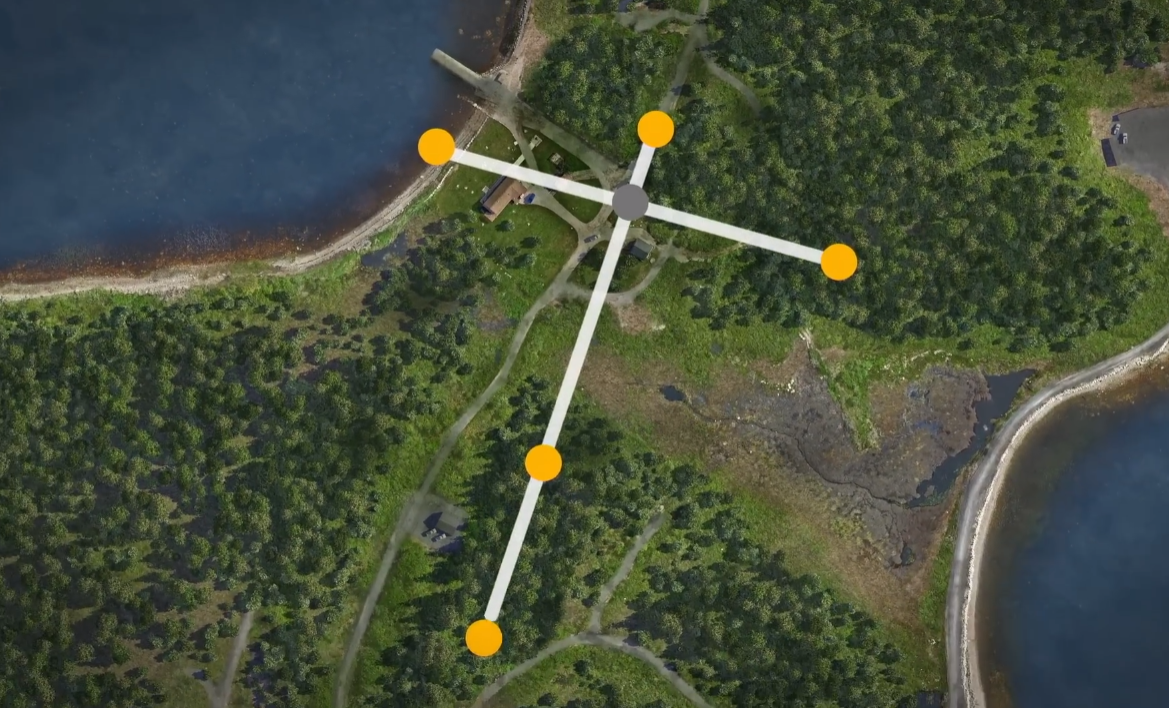
Professor Gaspani’s research previously suggested that Arcturus, known to the Norse as the “Day Star” due to its extreme brightness, was the primary celestial alignment used to construct Nolan’s Cross on Oak Island. The manuscript confirms that this specific star was vital for navigation at far-north latitudes, providing a functional link between Norse sailing techniques and the granite boulders of the island.
The Symbol on the Copper
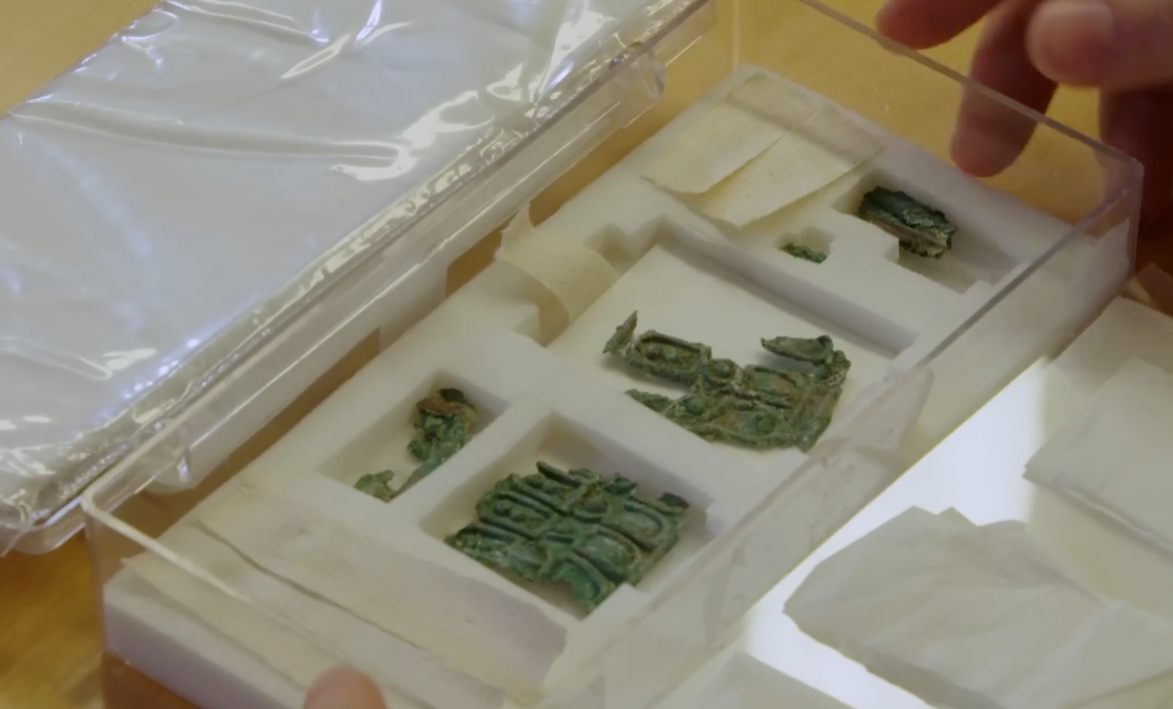
The most visual “smoking gun” appeared as the team turned the vellum pages of the ancient book. Researcher Doug Crowell identified a distinct, ribbon-like symbol appearing alongside a representation of a cross—a symbol that is an identical match to the ornate markings on a copper artifact unearthed by Gary Drayton on Oak Island’s Lot 8.
“That symbol in the book is the same symbol on the copper artifact,” Rick Lagina noted. “You cannot ignore that. It suggests a shared cultural origin between the authors of this manuscript and the people who left artifacts on the island.”
Roman Coins in the North
The investigation culminated at the National Museum, where curator Ármann Gudmundsson presented the team with Roman coins discovered in southern Iceland. The coins, minted in the 4th century A.D., are remarkably similar to the four Roman coins unearthed on Oak Island’s Lot 5, which date to the 4th and 5th centuries.
According to Gudmundsson, the coins were likely brought to Iceland by Norse settlers who had acquired them through trade in the British Isles or the Mediterranean. This provides a historical precedent: if the Norse were carrying ancient Roman currency to their settlements in Iceland, they could just as easily have carried them to the shores of Nova Scotia.
“The only known European activity in our region before the 15th century is the Norse,” said Doug Crowell. “This makes the Viking theory central to our investigation.”
An Interconnected History
The discovery of these “Roman-Norse” links offers a potential explanation for several other anomalies on the island, including lead pieces traced to Scandinavia and the ship’s railing found in the swamp. For the Lagina brothers, the journey to Iceland has transformed the Oak Island mystery from a local treasure hunt into a chapter of a much larger, interconnected global history.
“We know there was trade between the Mediterranean and the Norse,” Rick Lagina concluded. “We know the Norse traveled the Atlantic. It is a possible—and now explainable—reason why Roman coins were on Oak Island.”