A Century-Old Clue Emerges as Oak Island Team Pushes Deeper into the Money Pit
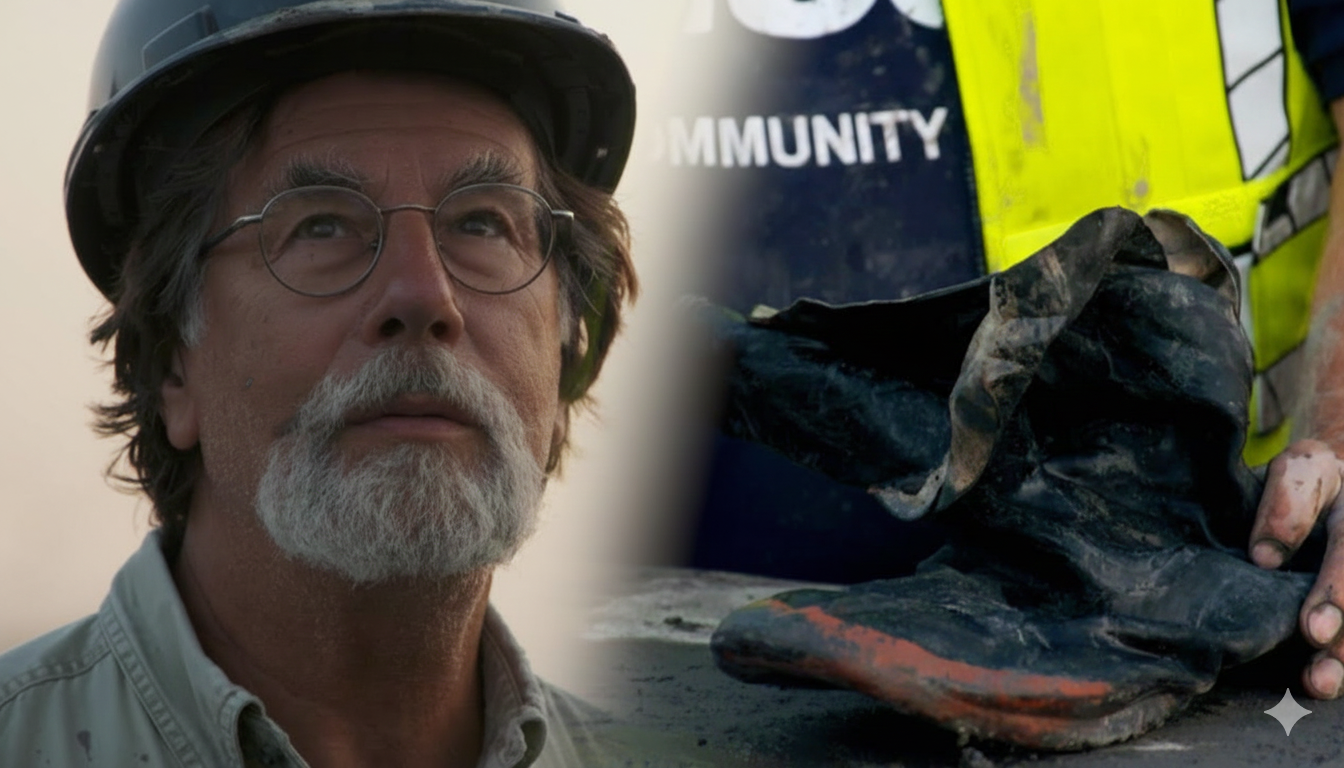
Deep beneath the soil of Oak Island, at nearly 100 feet below ground, a small and unassuming object has reopened one of the island’s oldest chapters. During the latest excavation of the TF1 shaft in the Money Pit area, the team behind The Curse of Oak Island uncovered evidence that may directly link their modern search to an expedition carried out more than a century ago—one involving a future president of the United States.
The moment came amid mounting frustration. As the massive hammer-grab tool descended into the 10-foot-wide shaft, progress slowed unexpectedly. At around 80 feet, the equipment struck an obstruction that prevented spoils from being removed. Initial inspections revealed nothing but water, raising concerns that the dig might once again be stalling.
However, persistence paid off. After repeated drops of the hammer grab, the obstruction finally surfaced: a large boulder bearing a drilled hole. The team quickly realised they had encountered something familiar. The rock appeared to be the same anomaly they had drilled through earlier in the season while sinking a six-inch bore hole known as D2—an area where traces of gold had previously been detected at approximately 90 feet.
With the obstruction removed, the shaft began producing significant material. Large quantities of wood emerged from the depths, some pieces appearing aged, others more recent. For veteran Oak Island investigators, the mixture raised an immediate and familiar question: how old was old enough?
Then came the discovery that changed the tone of the operation. Among the debris was what initially looked like a shoe. Closer inspection revealed it to be a rubber boot, remarkably intact despite its depth of more than 80 feet below ground. While its presence alone was puzzling, the boot’s markings proved far more consequential.
Cleaning away layers of soil, the team identified a name stamped along the rim: Kaufman. Research quickly followed. Kaufman, it turned out, was a Canadian rubber company that manufactured boots in the early 20th century, particularly around 1908 and 1909.
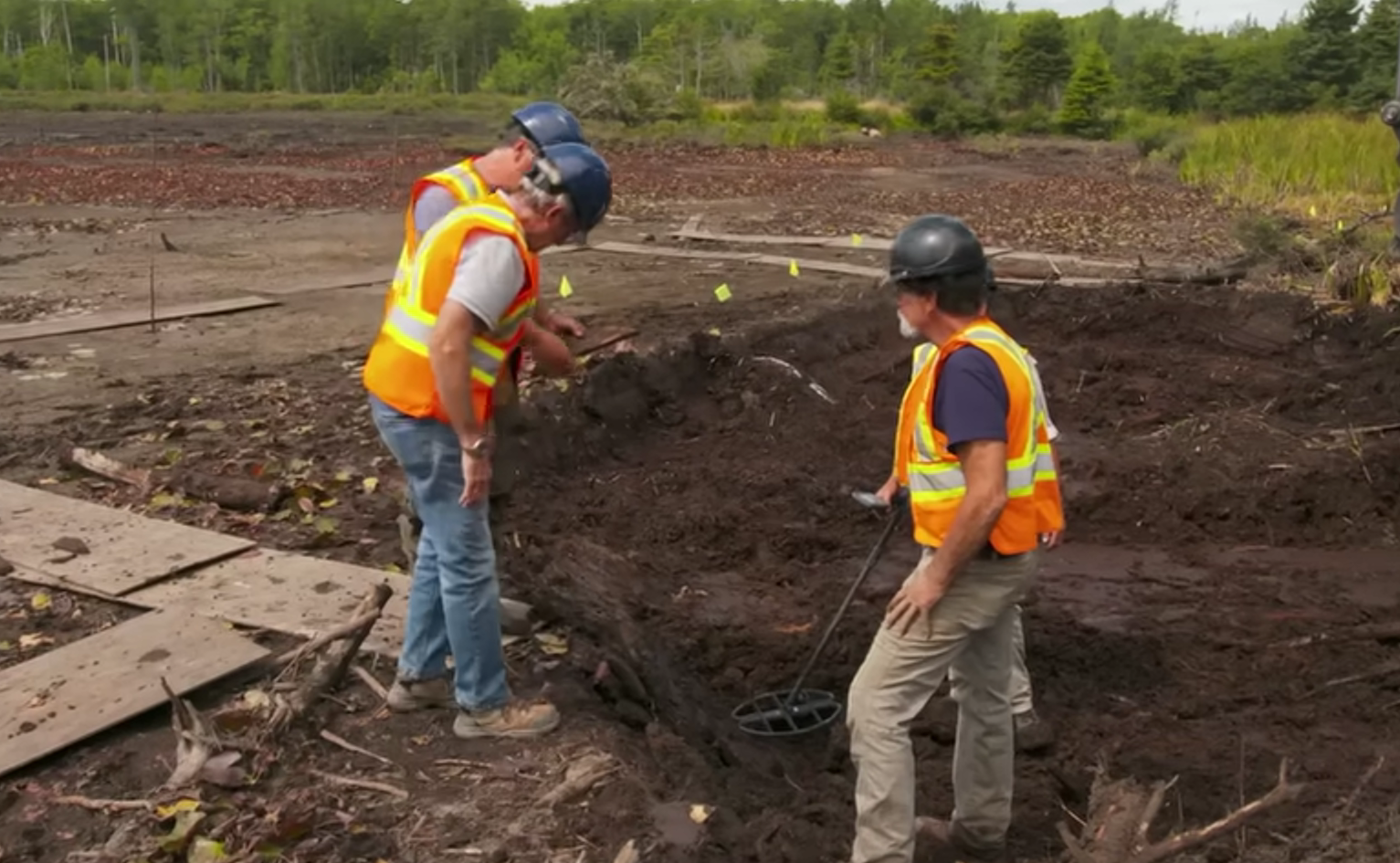
That date range immediately caught the attention of the team’s historians and archaeologists. In 1909, a young Franklin Delano Roosevelt—then a 27-year-old lawyer and a member of the Old Gold Salvage & Wrecking Company—helped finance and participate in a large-scale excavation on Oak Island. The group believed they were digging into the original Money Pit, though their efforts ultimately ended when flooding overwhelmed their shaft.
If the boot did indeed belong to one of Roosevelt’s crew members, it would place the current excavation almost directly on top of the 1909 dig site. For the team, this was more than a historical curiosity. It offered context for the confusing mix of wood layers now emerging from the TF1 shaft—some potentially dating back more than a century, others tied to modern search efforts.
“This is connective tissue,” one team member explained. “It’s information. It’s a reason to keep going.”
Importantly, the comparison between the two expeditions highlights a crucial difference. Roosevelt’s team, despite extensive digging, never reported retrieving gold from the Money Pit. The modern team already has. Gold traces recovered from the D2 bore hole suggest that something of value lies deeper still.
By the end of the day’s work, the steel casing of the TF1 shaft had reached 101 feet, while excavation inside stood at just over 92 feet. With more than 60 feet of casing still available, the team believes they are positioned to go well beyond the depth achieved in 1909.
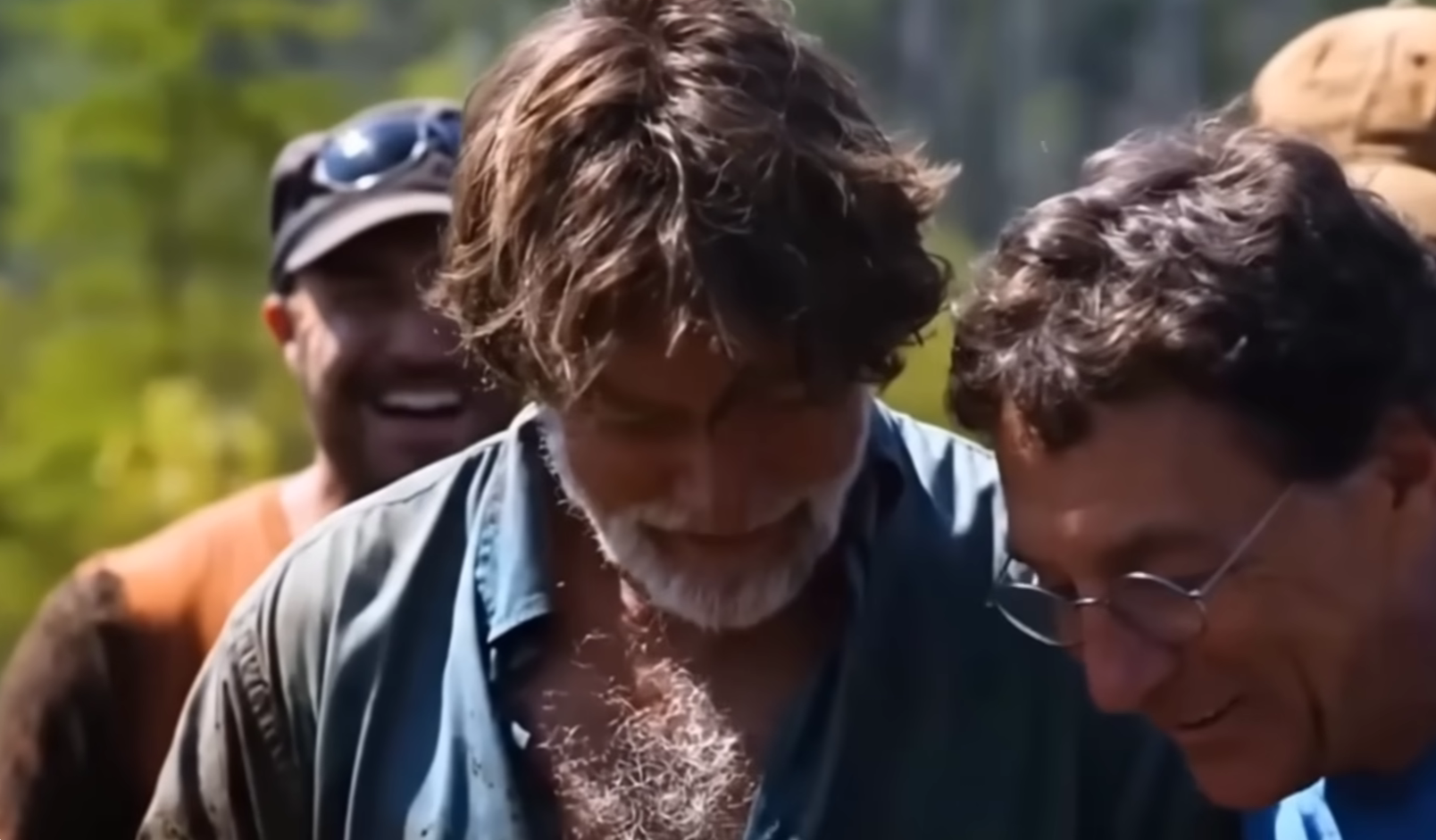
As daylight faded, operations paused. Equipment crews prepared to stand down until morning, leaving the shaft open and the questions unresolved. Yet morale was notably higher than earlier in the day. Rather than viewing the boot as a sign of past failure, the team interpreted it as proof that they had rolled the clock back 112 years—and were now poised to go further than anyone before them.
The theory now guiding the dig suggests that Roosevelt’s team may have been close, but not close enough. Flooding, limited technology, and incomplete understanding of Oak Island’s underground systems likely stopped them short. Today’s team believes those same limitations no longer apply.
“We can get down,” one member said confidently. “Nothing’s stopping that.”
Whether the TF1 shaft ultimately reveals a tunnel, a chamber, or definitive answers about the Money Pit remains unknown. But as the team prepares to resume digging, the boot from 1909 has transformed the excavation from another chapter in a long search into a direct continuation of history.
For now, hope rests where it always has on Oak Island—deep underground, waiting for morning.