SILENCE OF THE SKEPTICS: How Science and 1,200 Artifacts Redeemed Oak Island’s Decade-Long Quest
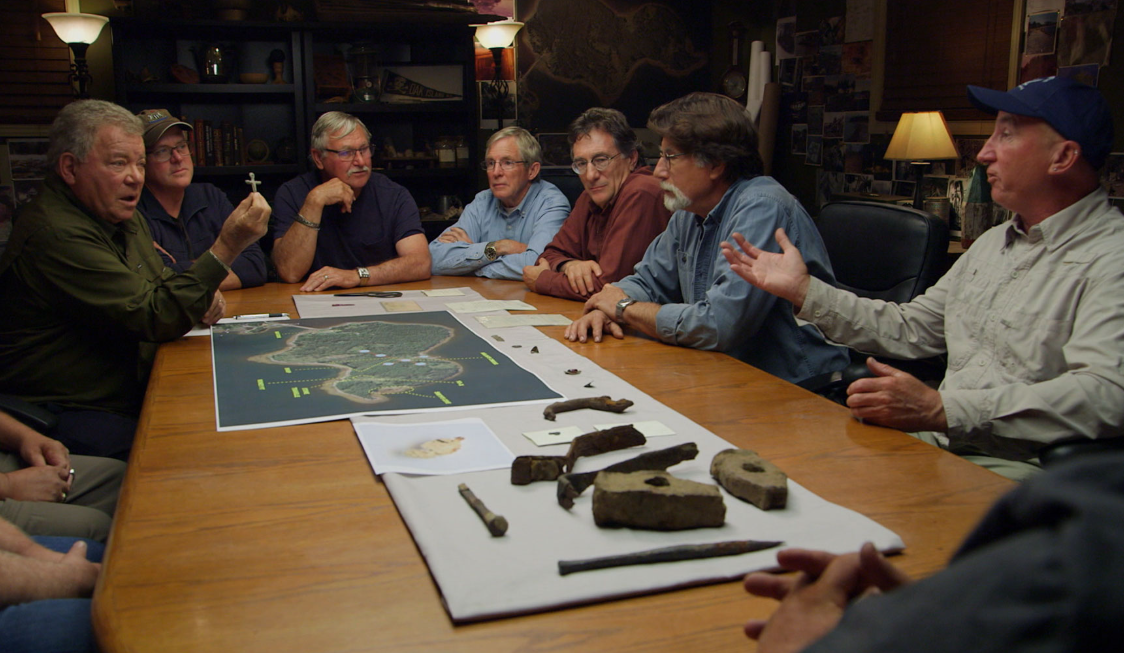
Yet, as the groundbreaking scientific data from the latest expedition settles into the historical record, the era of unearned skepticism has come to a grinding halt. The Fellowship of the Dig has delivered a definitive, empirical response to ten years of doubt. It did not come in the form of reality TV showmanship, but through the cold, unyielding precision of science: the meticulous cataloging of over 1,200 undeniable artifacts and the definitive mapping of highly elevated silver and gold concentrations in the island’s subterranean water table.
The 1,200-Artifact Tally: Empirical History Over Hype
For years, armchair critics argued that the Lagina brothers were simply chasing modern colonial trash or pirate folklore. However, inside the island’s high-tech laboratory, data analyst and archaeometallurgist Emma Culligan and field archaeologist Miriam Amirault have systematically dismantled that narrative.
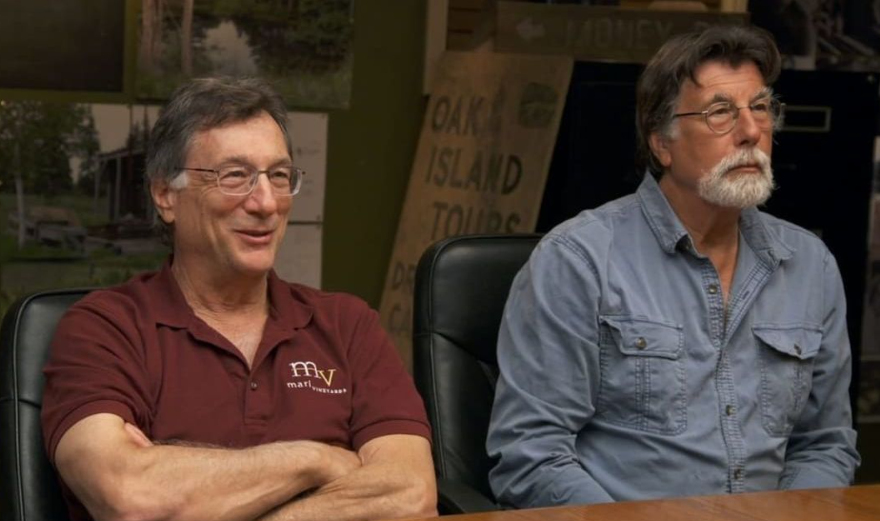

By processing an astonishing seasonal inventory of more than 1,200 individual items, the team has established an ironclad, peer-reviewed timeline. This massive data set is anchored by undeniable pre-colonial recoveries across Lot 5 and the triangle-shaped swamp. The crown jewel of this physical evidence includes a pristine, 700-year-old Knights Templar Kite Shield adorned with a distinct crimson cross, a hermetically sealed Lead Casket, and a highly specialized 12,000-year-old Celestial Astrolabe.
These are no longer isolated “anomalies” that can be dismissed as accidental drop-loss by 18th-century farmers. The sheer volume and material density of the artifacts prove that Oak Island was the site of a highly organized, complex, and sophisticated European deposit operation centuries before Christopher Columbus ever crossed the Atlantic.
Hydrogeology: The Smoking Gun in the Solution Tunnels
While the physical artifacts silenced the historians’ doubts, it was the invisible world of hydrogeology that utterly crushed the economic skeptics. Led by geoscientist Dr. Ian Spooner, the team implemented a revolutionary methodological pivot: indirect metal detection via deep-well water spectrometry.
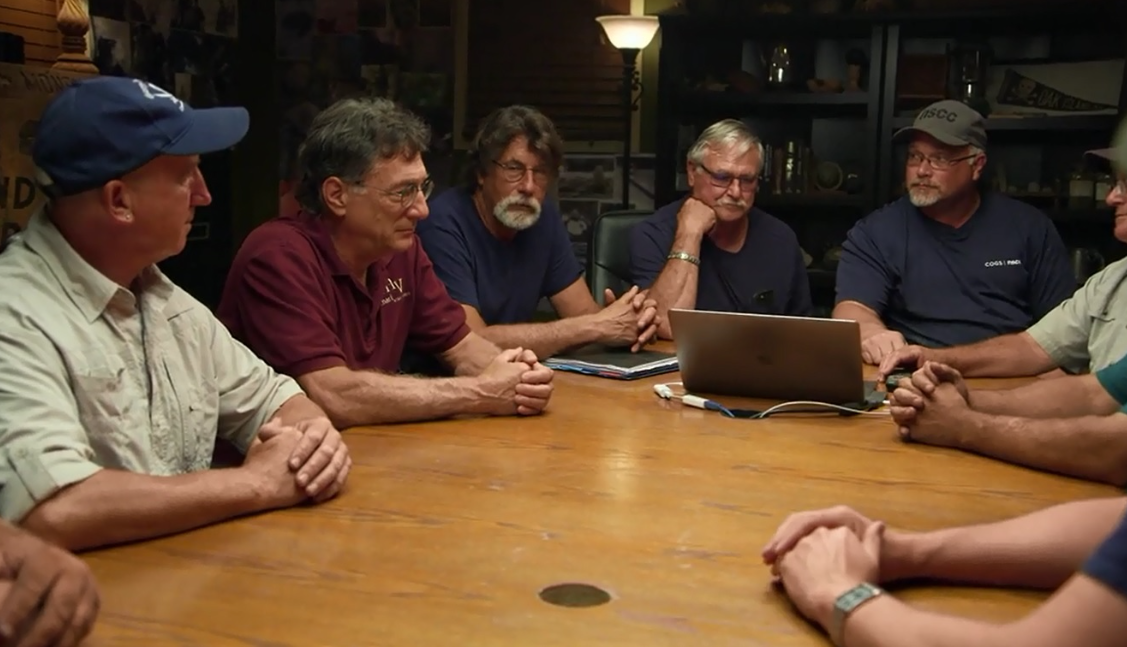
By analyzing water samples extracted from a series of seven-foot-diameter caissons sunk past 210 feet into the natural limestone solution channels beneath the Money Pit, Dr. Spooner detected something extraordinary. The water table harbored an unnatural, massive concentration of elemental silver and gold—affectionately dubbed “The Baby Blob” and the “Golden Egg” anomalies.
The data revealed that these precious metals are actively leaching from a massive, concentrated, non-natural source buried deep within the booby-trapped flood tunnels. The math is absolute; the unique elemental fingerprint of the water matches the metallurgical composition of the silver ingots and the black iron code box fragments pulled from the newly exposed Medieval Stone Vault Entrance. Science has effectively proven that a massive treasure is physically down there, dissolving into the very water the team is actively pumping to the surface.
A Triumphant Vindication
The integration of Laser Induced Breakdown Spectroscopy (LIBS), carbon-14 dating, and advanced mass spectrometry has transformed Oak Island from a simple treasure hunt into a globally respected forensic operation. Rick and Marty Lagina have effectively proven that their multi-million-dollar operational costs—which recently faced severe physical trials including Alex Lagina navigating the site on crutches and operator Billy Gerhardt managing a shattered arm—were never built on a televised lie.
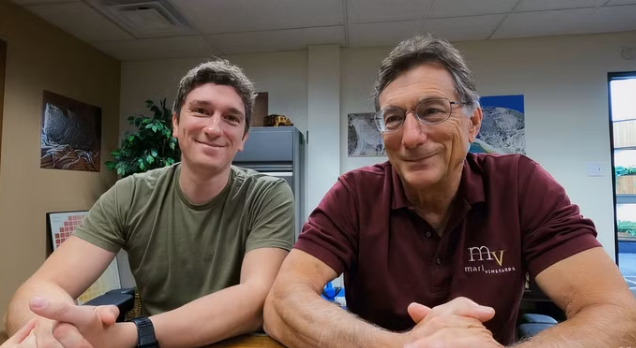
The heavy machinery and high-power industrial pumps currently deploying for the next phase of exploration are no longer chasing ghosts. With 1,200 artifacts in the laboratory and a literal trail of liquid gold in the shafts, the Fellowship has achieved the ultimate victory: they have used the absolute, unassailable truth of modern science to permanently silence a decade of skepticism.
The scientific methodology behind the water sampling is explored in detail within the History Channel’s coverage of These Artifacts Could Rewrite History, which outlines how the team transitions from superficial metal detecting to deep forensic and metallurgical data collection on the island.