THE OAK ISLAND ECONOMY: How the Lagina Brothers Fund the World’s Most Expensive Treasure Hunt
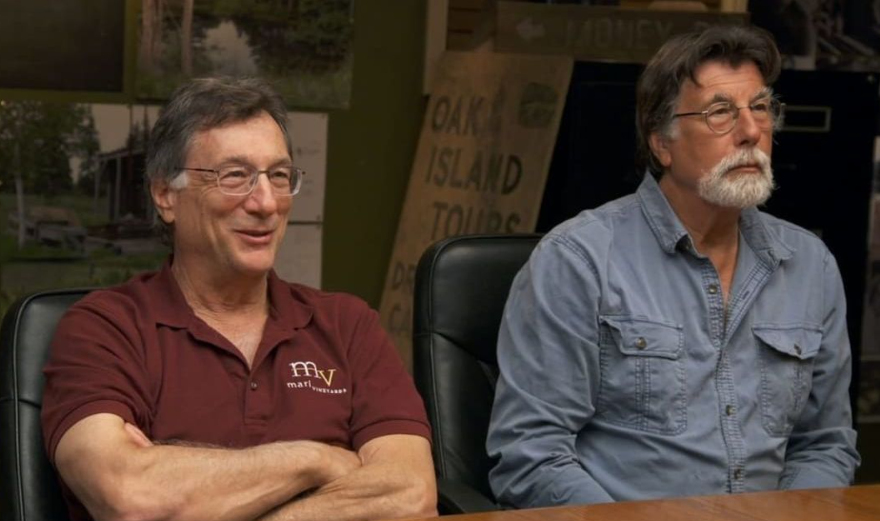
As The Curse of Oak Island charges past its historic Season 13 finale and straight into the newly commenced filming for Season 14, a fascinating debate has shifted from historical forums to mainstream economic circles. With the recent deployment of an upgraded industrial armada—including next-generation heavy-duty excavators, deep-strata drilling rigs, and commercial water pumps boasting triple the horsepower of previous units—the financial scale of the operation is staggering.
Every season, millions of dollars are poured into elite engineering teams, advanced archaeometallurgy led by experts like Emma Culligan, precision metal detection arrays under Gary Drayton, and high-risk dive operations. This begs a highly pragmatic, multi-million-dollar question heavily debated on global financial and entertainment forums: How do Rick and Marty Lagina continuously fund this incredibly expensive expedition when they have yet to liquidate a single ancient artifact into cold, hard cash?
The answer lies not in hidden Templar vaults, but in a brilliant, highly sophisticated modern business ecosystem that converts global curiosity into sustainable capital.
The Powerhouse: History Channel Television Royalties
The undisputed economic engine of the Fellowship of the Dig is its media partnership. Since its debut, The Curse of Oak Island has consistently dominated the cable network ratings, frequently capturing the top spot for non-fiction programming on the History Channel.
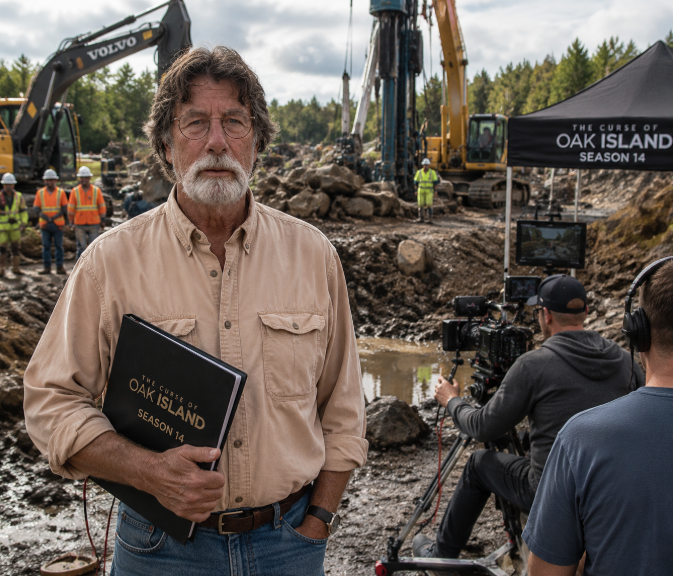

Network executives and media analysts estimate that Prometheus Entertainment and the Lagina brothers pull in massive syndication fees, global broadcast rights, and premium advertising revenue. This consistent, highly lucrative television royalty stream acts as the foundational venture capital for the island. The show’s phenomenal global reach essentially guarantees that the more complex the engineering challenges become—such as fighting the notorious Atlantic flood tunnels at the 25-meter mark of the Garden Shaft—the higher the viewership and subsequent production budgets rise.
The Tourism Matrix: Exclusive Island Expeditions
Beyond the silver screen, the Laginas have successfully transformed the enigmatic geography of Mahone Bay into a premium, world-class heritage tourism destination. While massive sectors of the island remain highly secure industrial zones, the team operates exclusive, seasonal guided tours that sell out within minutes of release each year.
Thousands of passionate fans and historical enthusiasts travel internationally to walk the hallowed grounds of the triangle-shaped swamp and peer into the active grid lines. The revenue generated from these high-demand walking tours, specialized VIP passes, and media access permits provides an immediate, high-margin cash flow injected directly back into the operational reserve fund.
The Lot 5 Marketplace: Agricultural and Commemorative Commerce
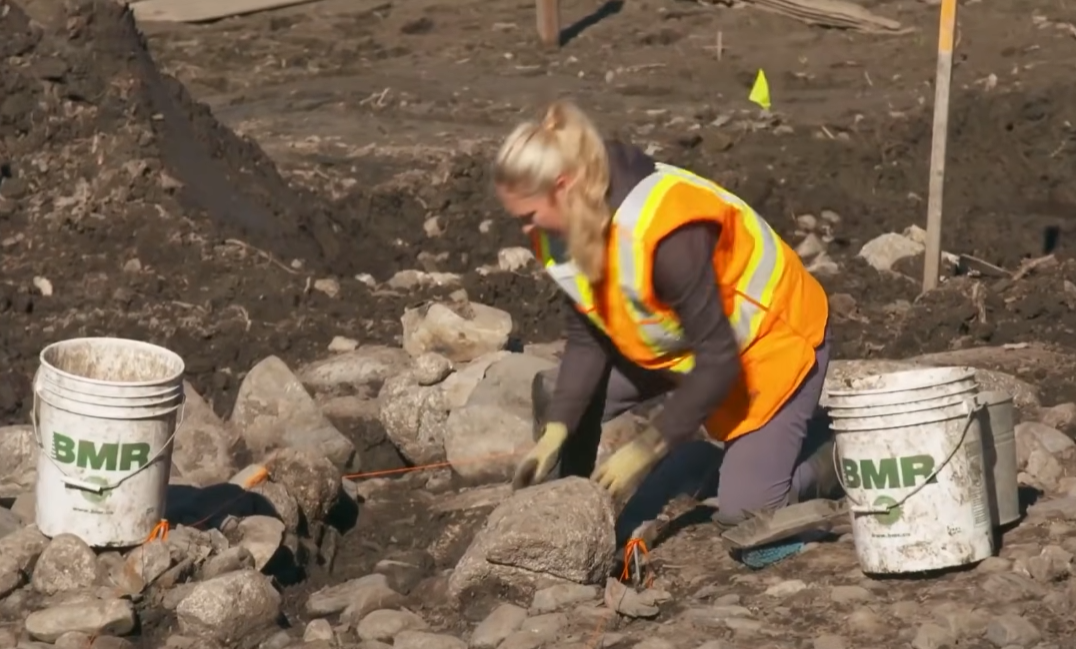
Perhaps the most brilliant micro-economic development on the island centers around Lot 5. Long celebrated by field archaeologist Miriam Amirault for yielding paradigm-shifting historic discoveries like fragments of a black iron code box, this specific sector has also been weaponized commercially.
The Fellowship has established a highly successful retail and agricultural footprint on site:
-
Commemorative Merchandise: From custom digging apparel to replica artifacts, the official Oak Island visitor center flips audience curiosity into tangible retail revenue.
-
Island-Grown Produce: Leveraging the rich, glacial till of the maritime soil, the team sells exclusive, island-grown agricultural goods, creating an authentic “farm-to-table” connection with the local Nova Scotian economy.
The Ultimate Loop
By combining top-tier television revenue, premium tourism, and localized commerce, Rick and Marty Lagina have solved the ultimate historical paradox. They have built an economic perpetual motion machine. While the search for the Knights Templar Kite Shield or the sealed Lead Casket continues to demand immense physical and financial sacrifice, the Fellowship doesn’t need to sell the treasure to survive. The hunt itself has become the ultimate commodity, ensuring that the heavy machinery will keep roaring until the final mystery is fully unraveled.