THE KEY TO THE VAULT? Massive Discovery in Oak Island Swamp Shatters History
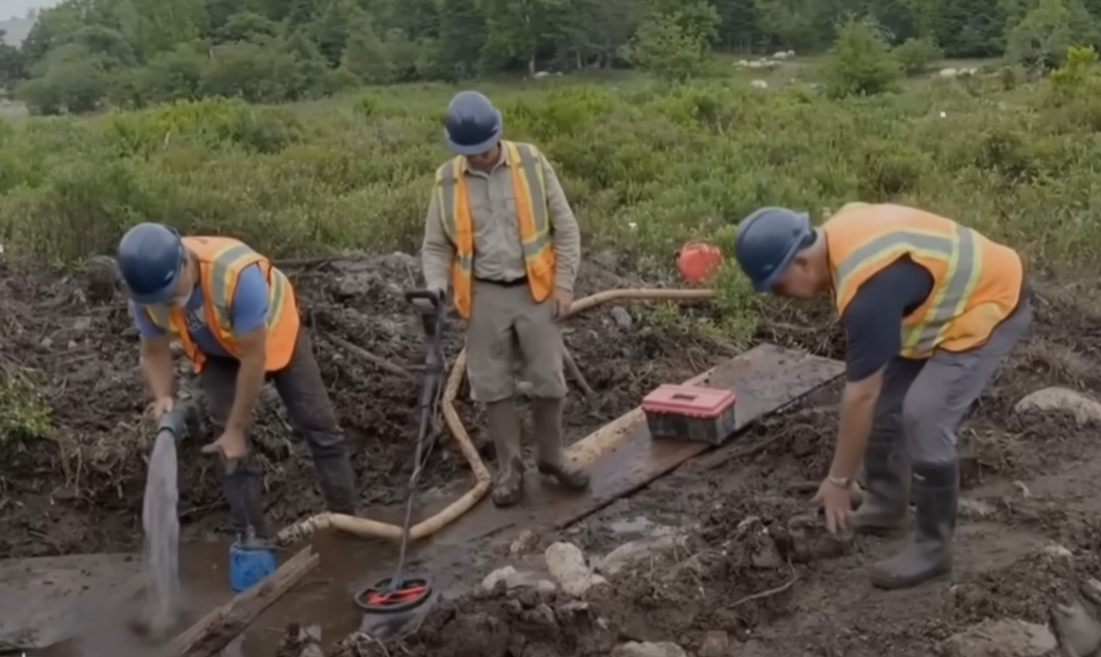
The two-century-old mystery of Oak Island may have finally met its match, not in the form of a massive drill, but in a small piece of rusted iron. In what is being described as a “historic turning point” for the Fellowship of the Dig, the team has reportedly recovered an ancient key from the northern depths of the triangle-shaped swamp—a discovery that could finally unlock the island’s most elusive secrets.
The find, featured in the upcoming episode of The Curse of Oak Island titled “Swamped,” follows a trail of high-tech and archaeological breadcrumbs that has shifted the focus of the multi-million dollar search from the “Money Pit” toward a sophisticated, covert industrial loading zone in the island’s marshlands.
The Loading Dock of the Ancient World
The discovery of the key was not a stroke of random luck. For weeks, Rick Lagina, Gary Drayton, and Peter Fornetti have been meticulously excavating a massive cobblestone pathway lined with eight-sided wooden survey stakes. This “stone road” is now believed to be a heavy-duty loading dock designed to facilitate the movement of massive cargo long before the first treasure seekers arrived in 1795.
Supporting this theory, the team recently unearthed:
-
A Heavy Lead Weight: Historically used by merchants to balance scales when weighing gold dust or silver coins.
-
Wooden Keg Fragments: Gary Drayton identified these as the tops and bottoms of high-value shipping barrels, the standard containers for transporting treasure during the 15th through 17th centuries.
Two Explosive Theories
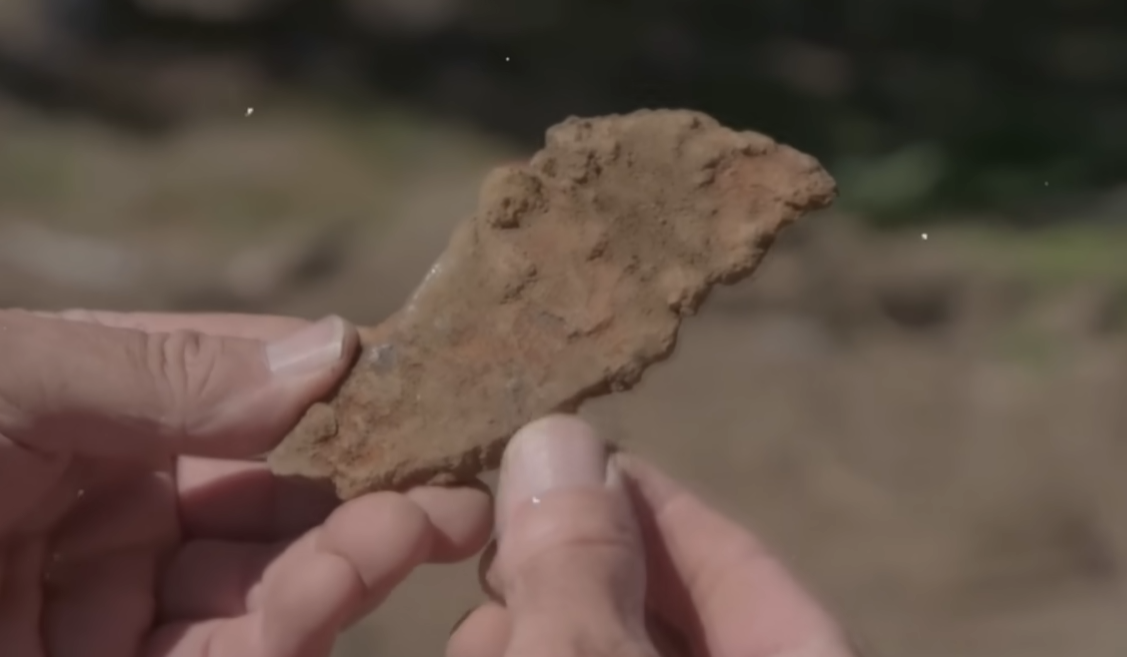
The presence of the key has ignited a fierce debate among historians and the fellowship alike. Experts are currently weighing two primary possibilities for what this “super early” artifact was meant to open.
1. The Locked Treasure Kegs In maritime history, treasure-filled barrels were often reinforced with iron bands and secured with heavy padlocks to prevent theft by the crew during Atlantic crossings. Gary Drayton suggests the key may have been dropped by a member of an original depositor group—perhaps the Knights Templar or the French Navy—while they were struggling to move heavy, locked kegs of gold up the stone ramp in the dead of night.
2. The Door to the Second Vault A more radical theory, championed by Peter Fornetti, suggests the cobblestone road leads directly to a network of underground chambers. Last year, the team discovered a “decoy” vault made of brick and slate. The discovery of a stray brick on the stone road near the key’s location has led many to believe that a second, occupied vault is hidden nearby. Unlike a buried pit, a vault designed for retrieval would require a timber and iron door—and a massive hand-forged mechanical lock.
[Image: A CGI reconstruction of a 15th-century iron key being inserted into a subterranean timber door on Oak Island]
Scientific Scrutiny
The artifact has been rushed to the Oak Island Research Center, where metallurgical specialist Emma Culligan will use X-ray fluorescence (XRF) and CT scanning to determine its origin. If the metal composition matches the 14th-century lead cross or other ancient iron fasteners found on the island, it will provide undeniable proof that organized groups were moving locked treasure containers through the swamp 600 years ago.

“The key is a universal symbol of secrecy,” Rick Lagina noted. “It implies intent. Someone locked something away and intended to return for it. The fact that we found the key in the mud might be the very reason the treasure is still there.”
As the fellowship prepares for a surgical excavation of the northern swamp, the island remains a place of dualities: brute force at the Money Pit, and the delicate turn of a key in the bog.