Gold in the Tunnels — Oak Island Mystery Takes a Dramatic Turn!
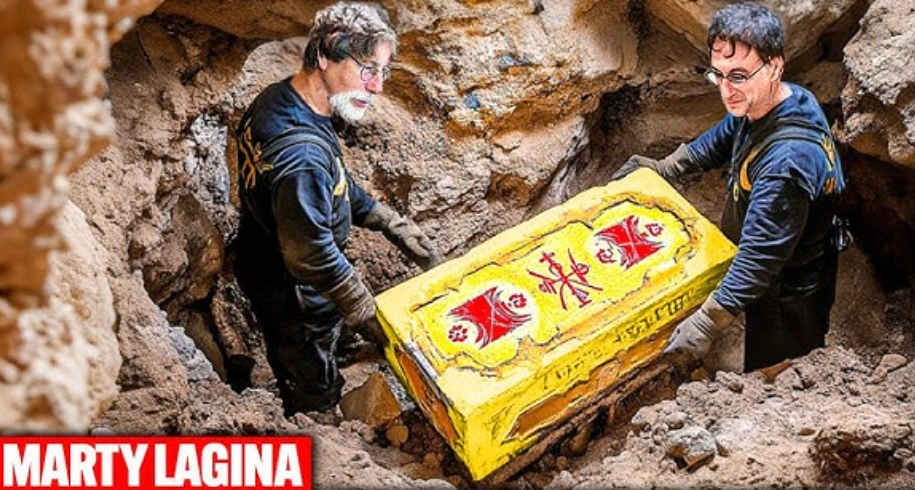
After more than a decade of televised investigation — and more than two centuries of historical obsession — Oak Island may finally be revealing its long-guarded secrets. New findings at multiple sites across the island have given Rick and Marty Lagina their most convincing evidence yet that treasure was once hidden beneath its surface. From deep tunnels in the Money Pit to gold-bearing timbers in the Garden Shaft and a mysterious gold brooch on Lot 21, the clues are no longer just theoretical. They are physical, substantial, and impossible to ignore.
This season, the Lagina brothers have made not one, not two, but three significant discoveries. And each one brings them closer to answering the question that has haunted Oak Island since 1795: Is there truly treasure buried beneath this ground?
Discovery #1: The Money Pit Void — A Tunnel That Shouldn’t Exist
For more than 200 years, the Money Pit has been the beating heart of the Oak Island mystery. It has swallowed fortunes, destroyed equipment, and lured generations of treasure hunters into its depths. But despite countless attempts, no one has been able to retrieve the treasure believed to lie below — if it exists at all.
This year, however, the story changed.
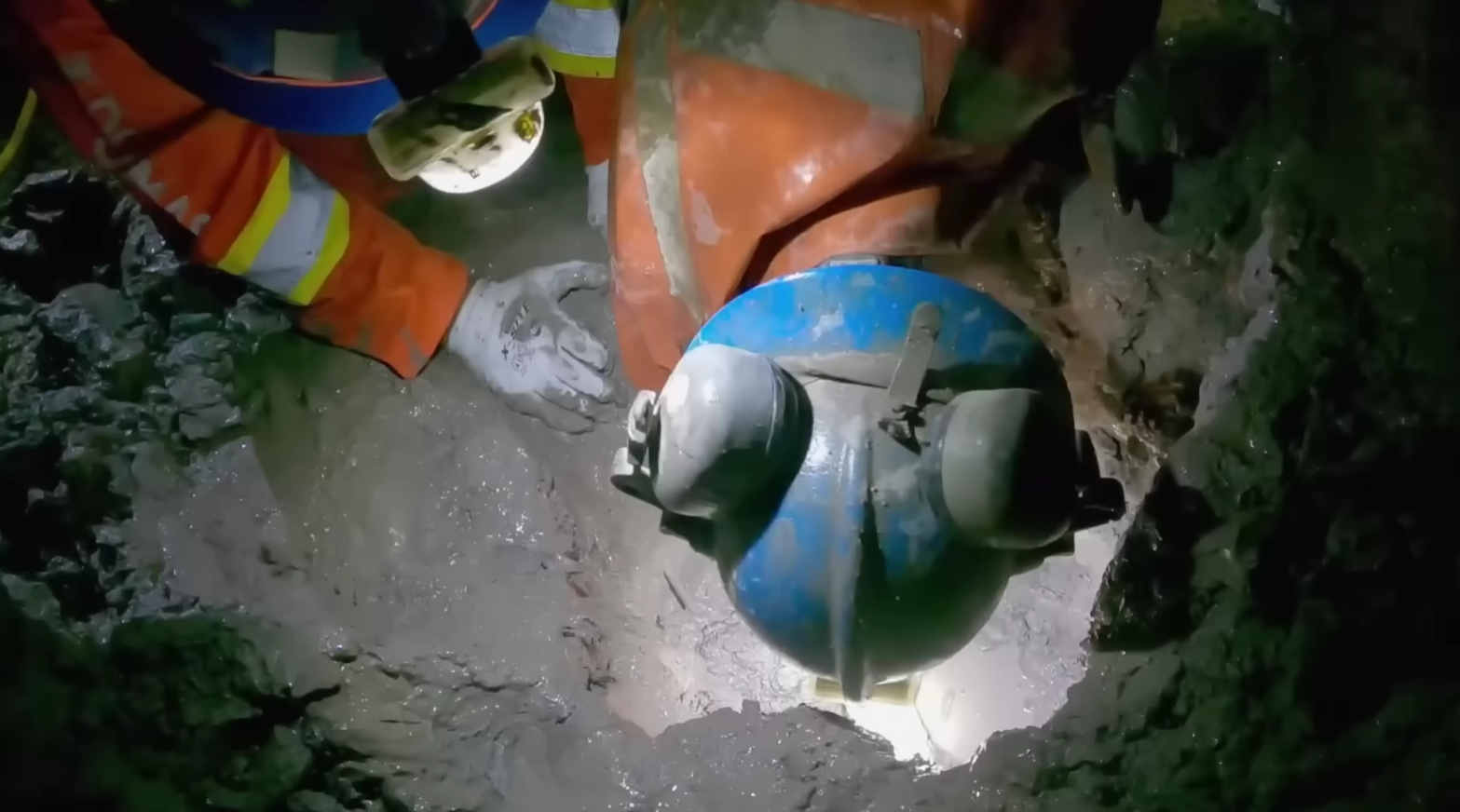
During drilling at borehole DN-11.5, the team made a breakthrough. At approximately 90 feet deep, the drill suddenly entered open space — a void. Natural cavities are almost unheard of in this region. If the ground is hollow, someone dug it.
Geologist Terry Matheson quickly realized that the newly found void aligned perfectly with two other boreholes, DN-12.5 and DN-13.5, both of which had previously revealed evidence of underground tunnels. Three points in a straight line can mean only one thing: a man-made structure running beneath the Money Pit.
Core samples from the void revealed wood — but not the kind one expects from collapsed roots. This wood was cut, shaped, and placed deliberately. The implications were massive. For years, historians have argued that whoever buried treasure on Oak Island engineered a sophisticated tunnel network to protect it. This discovery gives their theory startling new credibility.
But what came next was even more shocking.
When the wood was analyzed using X-ray fluorescence (XRF), traces of gold were discovered embedded in the grain. Tiny, microscopic—but real.
Gold does not naturally permeate wood. The presence of gold meant only two possibilities:
-
Gold objects were stored in this chamber, rubbing against the timber.
-
Gold-rich water from a nearby vault seeped into the wood over time.
Either way, the inference is the same: something valuable was inside this underground structure.
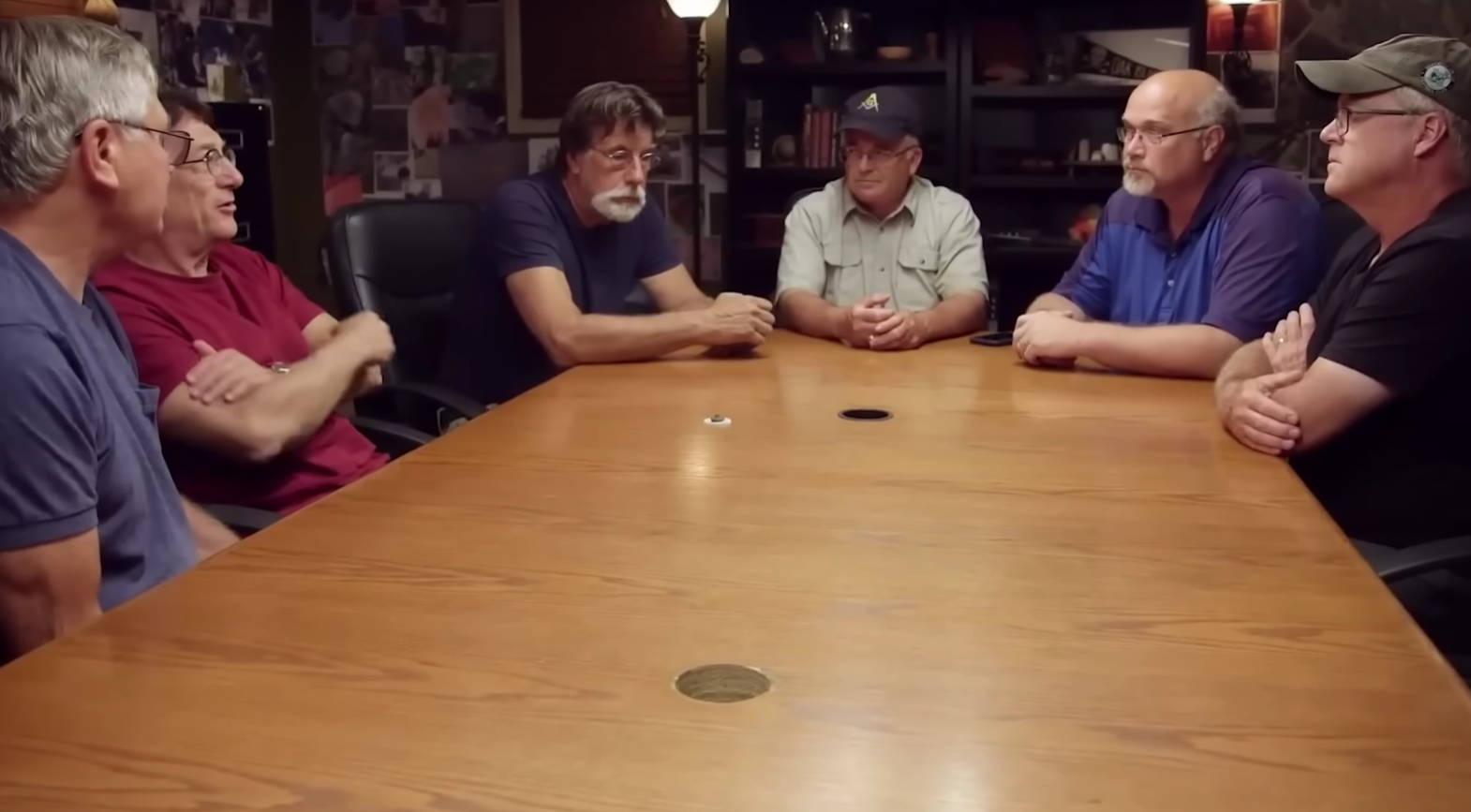
Discovery #2: Gold-Infused Timbers in the Garden Shaft
The second major find came at the historic Garden Shaft, a long-abandoned structure originally dug in the 1800s and used by early searchers. Recent analysis revealed high concentrations of gold in the water surrounding the shaft — a strange result that required further investigation.
The team began drilling probe holes into the shaft walls to locate hidden chambers or tunnels. As they drilled, one probe punched into yet another void — again, exactly where earlier data predicted.
This was no random cavity. It matched the depth and position of a previously detected 10-foot-wide underground chamber southwest of the shaft.
Within hours, drilling produced more wooden material. Lab tests confirmed the unthinkable: these timbers also contained traces of gold, measuring 0.11% concentration — thousands of parts per billion.
In scientific terms, that is significant. In treasure-hunting terms, it is astonishing.
If gold is showing up in both the tunnel system beneath the Money Pit and the void near the Garden Shaft, it suggests a level of connected underground architecture far more complex than previously believed. And more importantly, it suggests that gold was once stored inside these structures.
For Rick Lagina, the results confirmed his long-held suspicion:
“If gold is in the water, then gold should be in the surrounding materials. And now it is.”
Discovery #3: The Gold Brooch of Lot 21 — A Forgotten Relic
The third find dates back several seasons, but only now has become part of a larger pattern.
On Lot 21, the team uncovered an ornate brooch. Initially, they suspected it contained gold, but uncertainty remained. The artifact was sent to St. Mary’s University in Halifax, where experts used scanning electron microscopy (SEM) to magnify and analyze its metallic structure.
The results were clear:
-
The brooch contained real gold, either plated or embedded within the design.
-
It also held copper, indicating craftsmanship consistent with historical jewelry.
This raised new theories. Was the brooch part of a noble traveler’s belongings? A pirate’s chest? A Templar cache? Or something even more exotic?
Adding intrigue, gold traces were found in the surrounding soil — meaning the brooch may not have been alone.
So How Much Treasure Are We Talking About?
Not a chestful of gold coins — at least not yet. The team has recovered microscopic traces, not solid objects. But microscopic traces are exactly what geologists expect around a treasure vault that has been buried, disturbed, or eroded over centuries.
Gold does not travel far.
Where tiny fragments appear, larger concentrations may be just feet away.
The combination of:
-
Three aligned tunnels
-
Two separate voids
-
Wood saturated with gold
-
Water containing gold
-
And a gold brooch from another site
…paints a picture more compelling than anything seen before on Oak Island.
Are the Lagina Brothers Finally Close to the Treasure?
For the first time in years, the evidence is not symbolic. It is not myth.
It is scientific, measurable, and repeatable.
And it suggests that Oak Island’s treasure — whatever form it takes — might finally be within reach.