Oak Island’s New CT-Scan Breakthrough: Could Advanced Technology Finally Crack the Island’s Oldest Mystery?
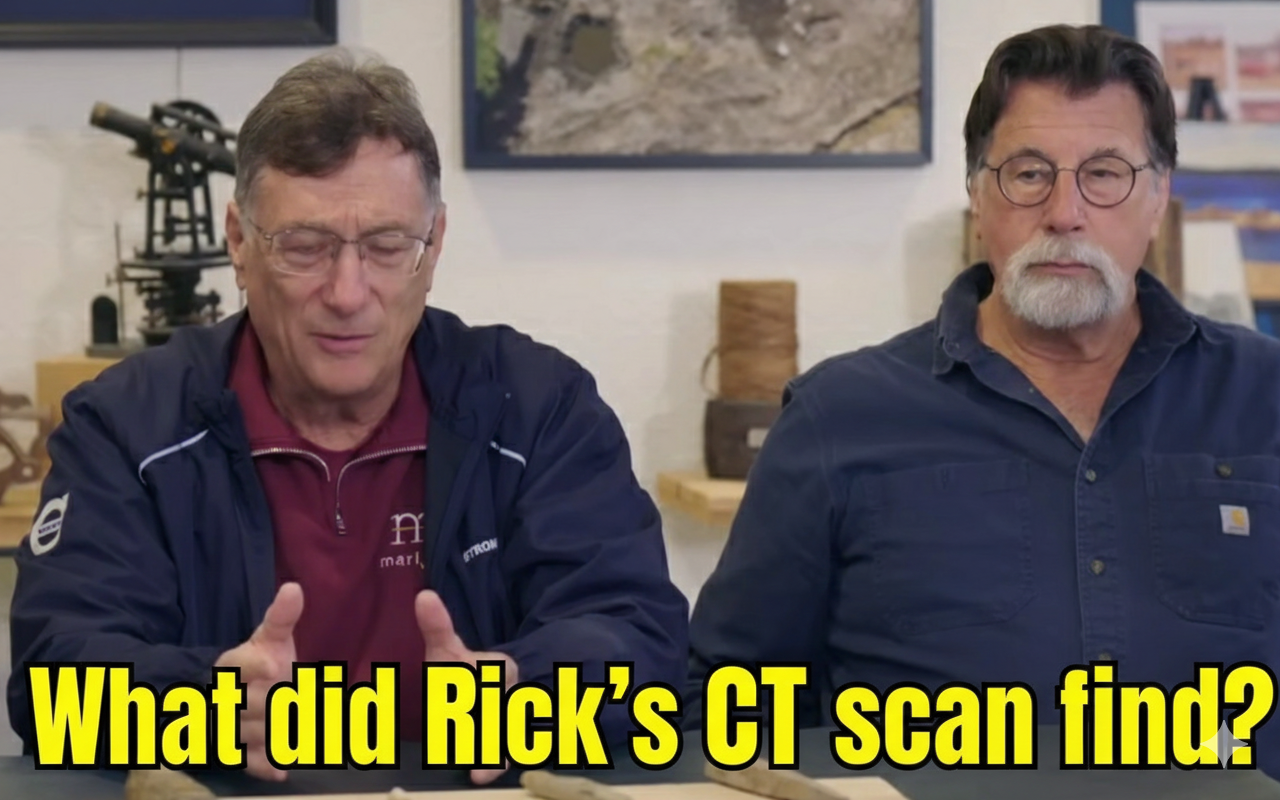
For more than two centuries, Oak Island has tempted explorers, scholars, skeptics, and dreamers with one promise: that something extraordinary lies buried beneath its soil. And for more than a decade, The Curse of Oak Island has followed the Lagina brothers’ modern-day quest to uncover that truth. But for all the drilling, digging, tunneling, pumping, and metal-detecting, the island has remained stubbornly silent—offering only fragmentary clues instead of definitive answers.
Now, in Season 12’s most buzzed-about development, fans believe a major shift is finally underway.
Not because of a new shaft.
Not because of a new artifact.
But because of new technology—specifically, advanced CT-scan imaging and high-precision material analysis that could redefine how the team investigates the island.
For the first time in years, viewers are asking:
Is science about to reveal what digging never could?
High-Resolution CT Scanning: Oak Island’s New X-Ray Vision
This season, materials expert Dr. Emma Culligan introduced a powerful new approach: high-resolution CT-scan technology capable of analyzing recovered artifacts down to micro-scale detail. Instead of relying solely on traditional visual inspection or surface-level testing, the team can now examine:
-
internal structures
-
hidden engravings
-
layered metal compositions
-
corrosion patterns
-
manufacturing marks invisible to the naked eye
It’s a massive leap forward—effectively giving the Fellowship the ability to “see inside” artifacts without damaging them.
And the early results look promising.
The Roman Coin That Reignited Everything
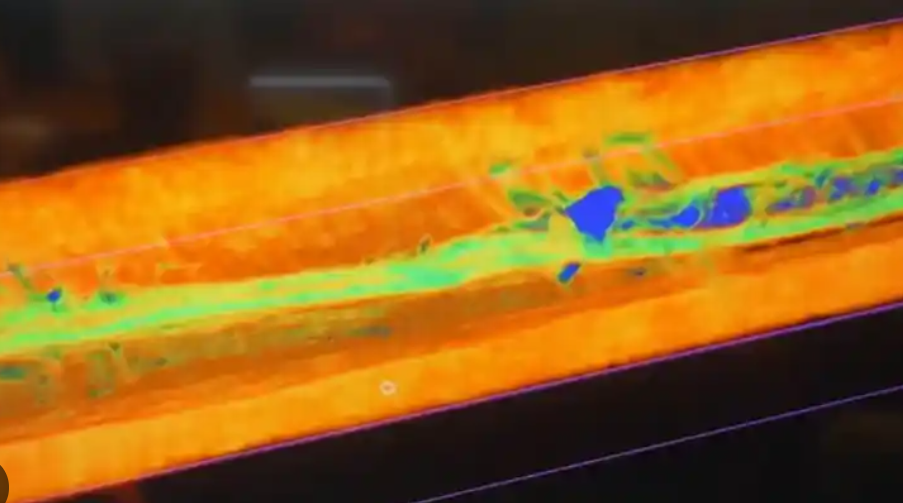
The moment that ignited fan discussion was the CT-scan analysis of the newly discovered Roman coin on Lot 5. The imagery revealed:
-
a crowned bust with distinctive facial features
-
a standing figure on the reverse
-
metallurgical composition matching 3rd-century Roman minting
-
faint workshop marks consistent with the reign of Claudius II (268–270 AD)
The clarity was startling—far better than anything the team has observed in previous seasons.
For archaeologists, the implications are significant.
For fans, the implications are electrifying.
If the artifact is authentic and undisturbed, it could support the theory that people connected to ancient Mediterranean or medieval trade networks visited—or deposited items on—Oak Island long before 1795.
As Rick Lagina put it:
“This is Roman, without a doubt.”
But if that’s true…
How did Roman-era artifacts end up in Nova Scotia?
That is the question driving fan speculation into overdrive.
Could Technology Finally Break the Pattern of “Build-Up Without Payoff”?
For years, fans have passionately debated whether the show’s scientific moments truly push the investigation forward, or simply build suspense without delivering big breakthroughs.
This season revives that debate in full force.
The Optimists’ View:
Many believe CT-scan imaging, elemental composition testing, and upcoming geochemical mapping could be the most important additions to the Oak Island toolkit since sonar and seismic scanning.
They argue that:
-
advanced analysis can conclusively date artifacts
-
micro-fractures can reveal historical handling
-
residue analysis could identify origins of metals, woods, and pottery
-
CT-scans may detect hidden inscriptions or symbols
In their view, this technology might be the key to finally connecting artifacts to the long-rumored Templar, Portuguese, or Renaissance-era visitors who may have hidden something on the island.
The Skeptics’ View:
Other fans strongly caution that new tech often leads to the same cycle:
-
Dramatic reveal
-
Promising analysis
-
Ambiguous conclusion
-
More questions
-
Back to digging
Their concern is simple:
Will this become another “scientific buildup” that excites viewers but resolves nothing substantial?
After all, the island has delivered dozens of artifacts across 12 seasons—yet still no treasure.
Why This Time Feels Different
Despite past disappointments, there is a noticeable shift this season that even longtime skeptics acknowledge.
Three major factors set this technology apart:
1. The Precision Has Never Been This High
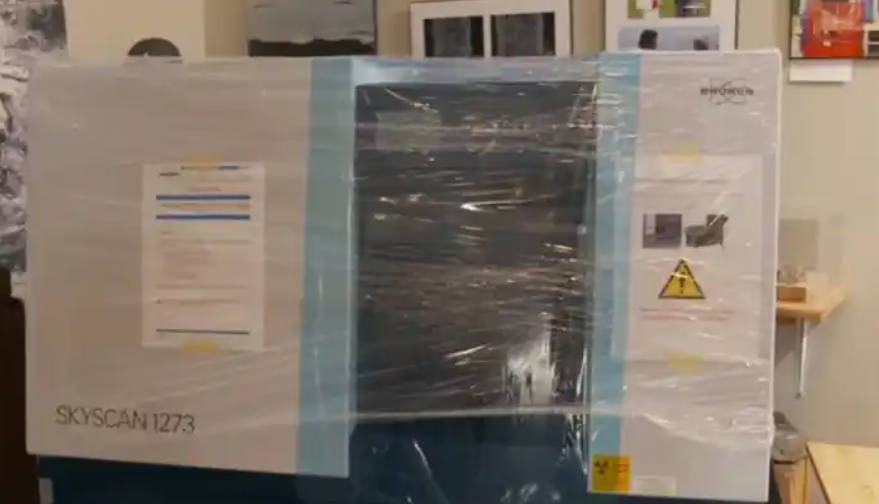
The CT imagery shown on-screen is significantly sharper than previous seasons’ scans.
Fans noticed.
Experts noticed.
Even the team reacted with unusual confidence.
2. CT-Scan + Lot 5 + Multi-Era Artifacts = A Pattern
The Roman coin is not a lone anomaly.
Lot 5 has now produced:
-
Roman coins
-
early modern pottery
-
potential ship spikes
-
hand-forged tools
-
wood dating back centuries
Technology may finally reveal how old these layers are—and whether they overlap in a meaningful way.
3. The Team Is Now Cross-Checking Everything
Materials testing, water sampling, geophysics, CT-scans, and historical comparison are all being combined for the first time.
That means fewer isolated clues—and more potential for actual patterns.
Where This Technology Could Lead in Future Episodes
Based on current evidence, three plausible developments may unfold:
1. Identification of a Previously Unknown Contact Period
If CT-scan analysis confirms multiple 3rd-century or medieval artifacts on Lot 5, the team may propose a major revision to Oak Island’s known history.
2. Discovery of Hidden Markings or Symbols
If a coin, lead item, or pottery shard contains engraving invisible to the naked eye, it could rewrite entire theories.
3. A Major Scientific Breakthrough That Redirects the Dig
If metallurgical fingerprints match Templar, Portuguese, or Basque sources, the team may reroute digging efforts toward a new “hot zone.”
The Mystery Deepens
Whether you’re an optimist or a skeptic, one thing is undeniable:
Oak Island’s new technology is producing its clearest evidence yet — and the island’s secrets have never felt closer to the surface.
If CT-scan analysis continues to reveal new layers of history and unexpected origins, the show may be entering a turning point—one where science, not shovels, finally leads the Fellowship closer to the truth.
For now, the mystery remains intact.
But fans agree on one thing:
This is the most exciting scientific development Oak Island has had in years.