A Hidden Tunnel? New Clues at Shaft Six Leave Fans Guessing
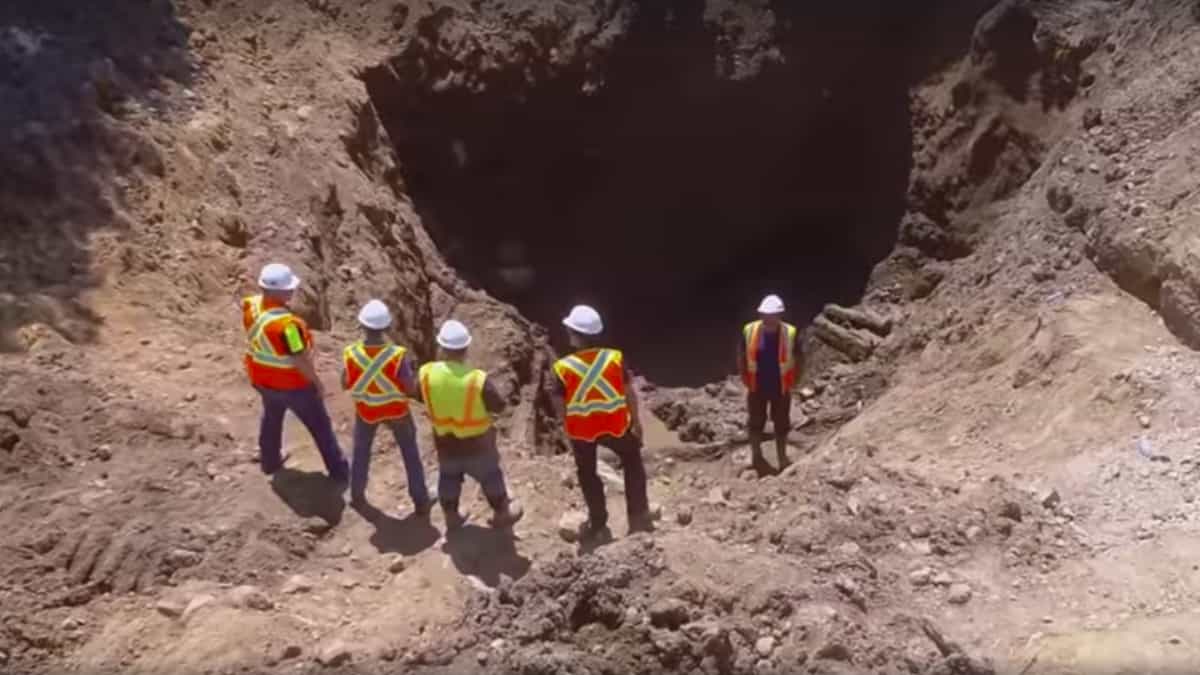
A major development unfolded this week on The Curse of Oak Island as the team, led by Rick Lagina and long-time financier Craig Tester, returned to one of the most historically significant structures ever built on the island: Shaft Six. The episode, titled “The Heat Is On,” charts a decisive moment in the investigation—one that may bring the search closer than ever to the legendary Money Pit and the mysterious workings of early treasure hunters.
Originally constructed in 1861 by the Oak Island Association, Shaft Six was one of several major attempts to intercept the Money Pit’s elusive flood tunnel system. Its collapse, along with the tragic deaths that occurred during the era, became part of Oak Island’s mythology. Now, more than 160 years later, the modern team believes the shaft may still hold crucial clues left behind by the original diggers.
The tension rose the moment excavation resumed on the north corner of the shaft. As machinery cleared away layers of packed earth, the first objects to emerge were unmistakable: large wooden beams, cut cleanly and placed with clear engineering intent. Their shape, condition and alignment suggested they were part of a structural framework—possibly remnants of the original shaft collar or the wooden tunnel that once connected Shaft Six to the Money Pit.
For the excavation team, the discovery was more than confirmation of historic records. It was a tangible sign that they were finally entering the physical footprint of the 1861 operation, a site long thought to be either collapsed or inaccessible.

Surveyor and geoscientist Steve Guptill was among the first to analyse the exposure. Standing at the edge of the expanding excavation, he pointed to the uniform cut surfaces and the angle of the beams.
“If we hit the actual tunnel floor of Shaft Six,” Guptill explained, “that means we’re incredibly close to the area the early diggers were trying to protect. The alignment suggests we’re exactly where we need to be.”
The reference to “what they were trying to protect” carries particular weight this season. Historical accounts from the 19th century describe a tunnel that allegedly punched through “two stacked treasure chests” during the Oak Island Association’s most aggressive attempt to bypass the Money Pit’s collapse zones. Although the claim has long been debated, finding the tunnel itself—or any structural element associated with it—would offer rare physical confirmation of centuries-old testimony.
As additional timbers emerged, the shaft’s purpose grew clearer. Some pieces bore old chisel impressions; others appeared to have been part of a passageway or support arch. Their presence confirmed that the team was approaching the most promising section of the Money Pit area that they have accessed in years.
Rick Lagina, who has spent more than a decade pursuing the island’s secrets, stood over the discovery with characteristic restraint but unmistakable excitement.

“It only takes one coin, one carved piece of timber, or one unusual construction feature to change the entire story,” he said. “We’re in a place where the past is still speaking. We just have to listen hard enough to understand what it’s trying to tell us.”
The risk, however, is as present as the reward. Shaft Six is part of a deeply unstable zone riddled with voids, collapses and the remnants of multiple failed 19th-century excavations. Each new cut into the earth carries uncertainty. The team worked slowly, using remote equipment wherever possible, aware that sudden ground movement remains a real possibility.
What makes this development especially compelling is the broader narrative forming this season. Multiple discoveries—unusual water chemistry in the so-called “solution channel,” metal traces inconsistent with natural geology, and the confirmation of engineered structures across the Garden Shaft area—have reinforced the belief that interconnected tunnels or chambers may lie just beyond reach.
Within that context, Shaft Six is no longer merely an archaeological waypoint. It may be the closest surviving link to the original treasure tunnel system.
Craig Tester, reviewing the findings alongside Guptill, noted the increasing convergence of evidence. “We’re not just finding random wood,” he said. “We’re finding features that match descriptions of engineered tunnels—dimensions, angles, tool marks. It fits the story we’ve heard from 150 years of historical documents.”
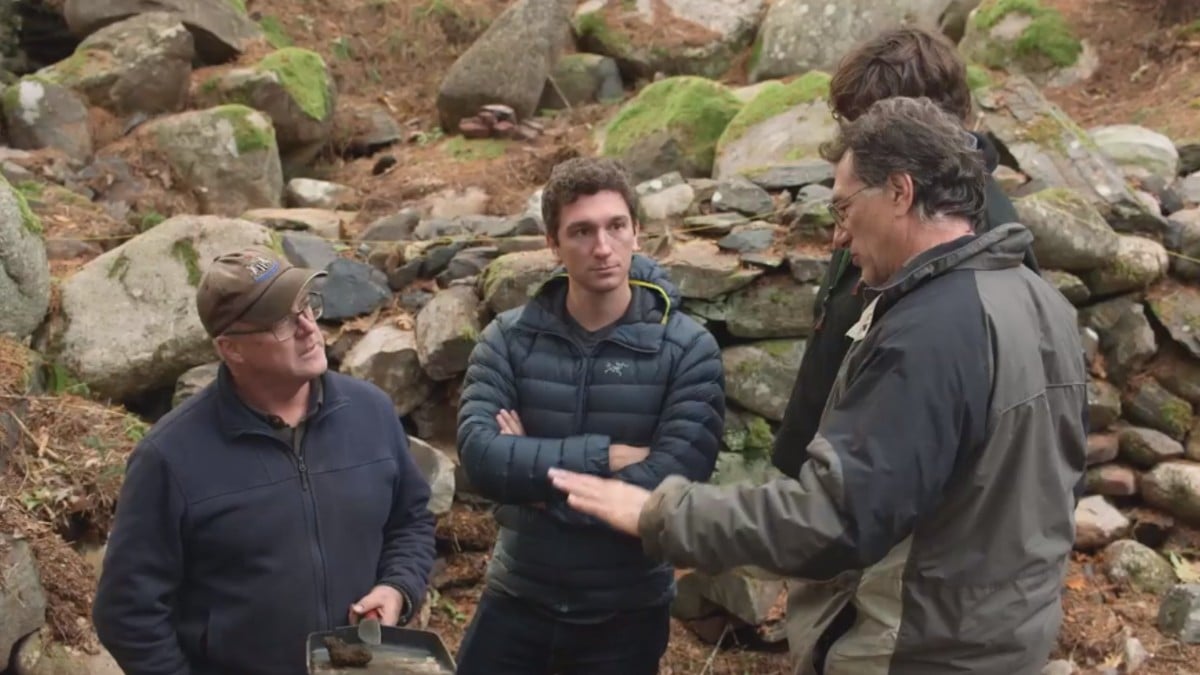
As the episode drew to a close, the team prepared to push deeper into the exposed structure, aware that the next few feet could determine whether the season becomes a turning point—or another chapter of unanswered questions.
Yet for the first time in months, optimism seemed to outweigh caution.
“This,” Rick said quietly, surveying the ancient timbers in the pit below, “feels like the threshold of something important.”
Fans of Oak Island have heard similar sentiments before, but rarely with this level of physical evidence at hand. Shaft Six, once a tragic and abandoned chapter of the island’s history, may now provide the clearest path yet to the truth buried beneath Oak Island.