Oak Island S13: Oak Island research team reviews key discoveries about Lot 15
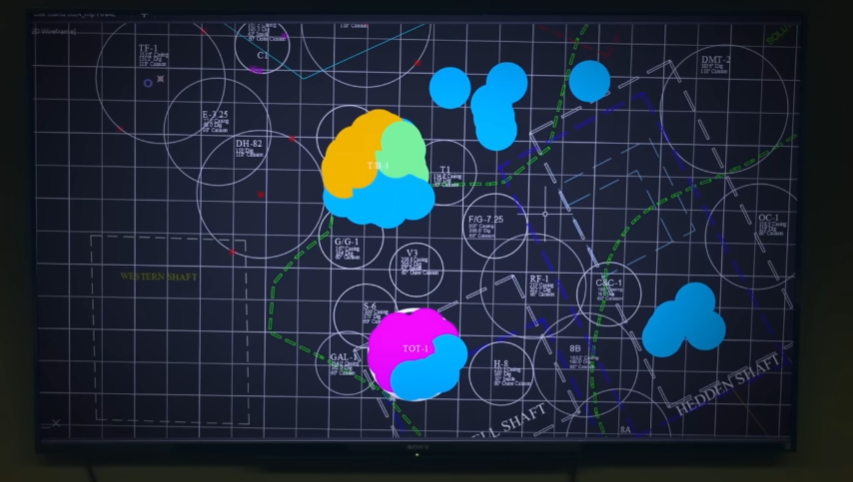
In the latest episode of The Curse of Oak Island Season 13, the team undertakes one of its most analytical reviews to date, using a newly developed artifact heat map to reassess years of discoveries across the island. The result is a strategic shift that places renewed focus on Lot 15—an area that has quietly produced some of the most intriguing evidence of early activity anywhere on Oak Island.
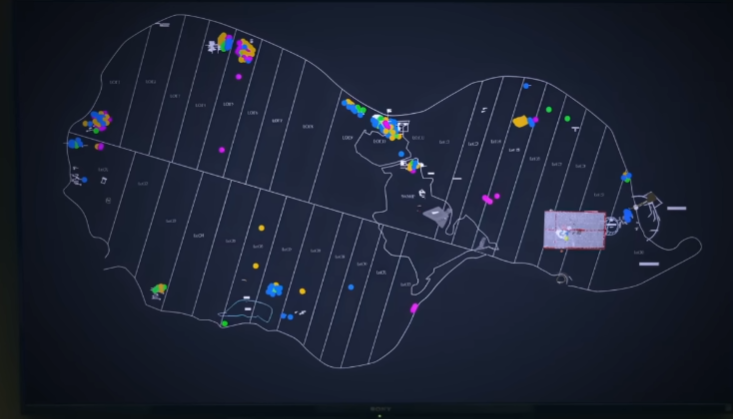
The episode opens in the war room, where Rick Lagina, Marty Lagina, and Craig Tester gather with key members of the scientific and archaeological team. Steve Guptill, working alongside archaeometallurgist Emma Culligan and artifact specialist Jillian, presents the heat map: a detailed visual overlay plotting every artifact found on the island by estimated age.
The map uses colours to categorise artifacts. Pink denotes objects dating to 1725 or earlier, representing the highest likelihood of depositor activity. Blue marks modern searcher-era items from the 1800s onward. Orange shades indicate transitional finds from the mid-18th century—still within the realm of pre-searcher origin and therefore potentially linked to original construction or hidden operations.
Two concentrations stand out immediately: the Money Pit area and Lot 5, where archaeological digs have already revealed medieval-paced features. But the map also shows unexpected clusters on Lot 15, an area long overshadowed by the island’s more famous zones.
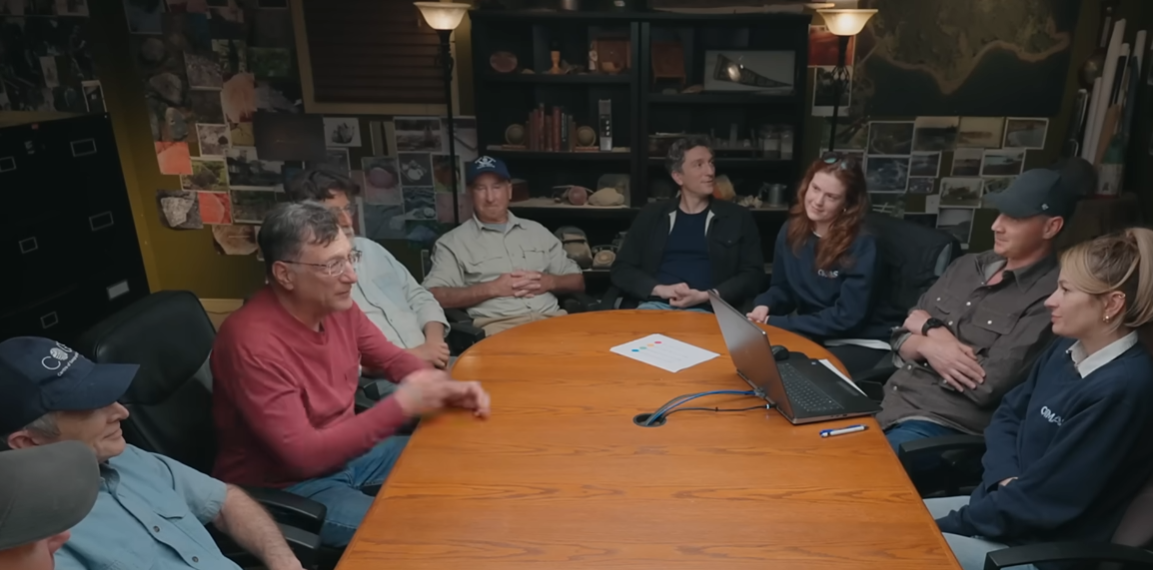
When Marty asks about the “odd pink dots” sitting atop the landform known as the Head of the Elephant, Steve identifies the location as Lot 15. Craig notes that even the orange markers here extend back to the mid-1700s, placing them well within the window of possible depositors. Rick emphasises the significance: “When you see those older ones up there… I think there’s a lot more work to do.”
The narrator reinforces why Lot 15 matters. Situated roughly 200 yards northwest of the Money Pit, the lot has quietly produced artifacts spanning continents and centuries: charcoal dated as early as the 14th century, a Chinese coin potentially more than a millennium old, and a pre-17th-century Portuguese cannon stoneshot—one of the most mysterious finds in Oak Island history. Seen together on the heat map, the collection suggests coordinated, purposeful activity far older than previously assumed.
Billy Gerhardt, whose heavy equipment work has shaped countless excavations on the island, captures the team’s sentiment: “We’ve barely scratched the surface.” With unanimous agreement, the team turns its attention back to Lot 15.
Soon after, Rick, Steve, and veteran detectorist Gary Drayton begin fieldwork on the freshly plowed hillside. The plowing—completed earlier by Billy—helps bring buried artifacts closer to the surface, a technique Gary honed while metal-detecting farmland across England.
Almost immediately, Gary uncovers something unusual: a lightweight, dark fragment that appears to be coal. Its presence is out of place for the area and recalls similar material found during excavations of the Portuguese-style stone road in the swamp. The team speculates whether the coal could indicate a link between that mysterious feature and Lot 15.
Moments later, Gary’s detector signals another promising target. Digging carefully, he reveals an iron object with distinctive facets. He believes it to be a rosehead spike—an early hand-forged nail type dating back to the 1500s and commonly used into the 18th century. Oak Island has yielded rosehead spikes before, both near the surface and more than 150 feet beneath the Money Pit. Many have been laboratory-dated to pre-1750.
“This is brilliant,” Gary says, while Rick confirms that the object will be added to Steve’s heat map. The find deepens the growing suspicion that Lot 15 shares a historical connection with core structures around the Money Pit—suggesting a broader network of activity by early builders.
Another metal reading soon produces a different form entirely: a pintle, a hinge-like iron fitting typically used to secure gates, doors, or mounted lanterns. Gary notes that such an item could have been employed by early miners digging shafts in the Money Pit, as lighting fixtures were essential for underground work. “It could be meaningful,” he adds.
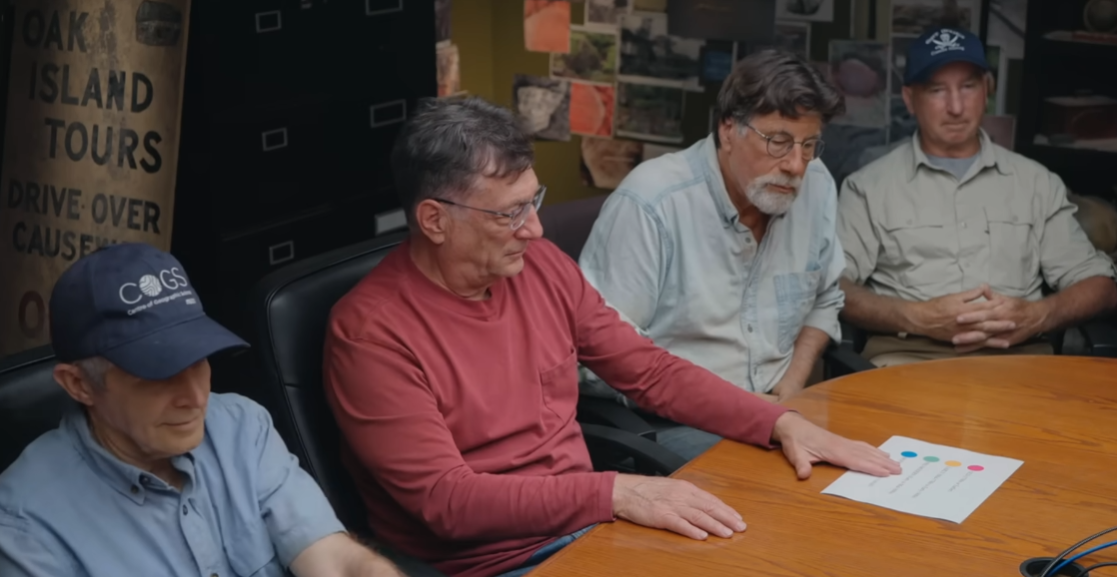
Each new find reinforces the heat map’s surprising conclusion: the Oak Island mystery is not confined to a single feature or one part of the island. “We are now convinced the mystery is island-wide,” Rick says as the team prepares to continue its investigation. The episode ends with a renewed sense of direction—one that blends emerging data, archaeological science, and good old-fashioned boots-on-the-ground exploration.
And if the heat map proves as predictive as the team hopes, Lot 15 may soon reveal discoveries capable of reshaping the Oak Island narrative once again.