Revealing the real reason Miriam Amirault left Oak Island – and what she’s doing now?
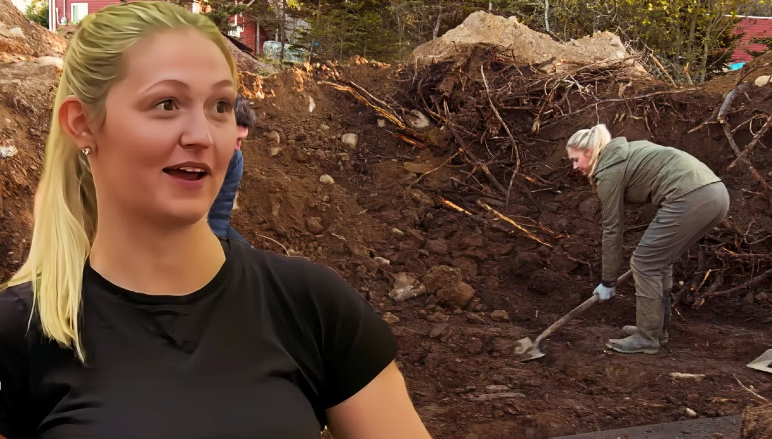
For viewers of The Curse of Oak Island, Miriam Amirault’s quiet disappearance from the island felt abrupt. There was no farewell scene, no clear explanation, and no narrative closure. One season she was part of the core research team; the next, she was simply absent. In a series built on continuity, long timelines, and familiar faces, that absence naturally raised questions.
From an analytical standpoint, however, Miriam’s departure makes sense when viewed through the dual lenses of television production and professional archaeology. Her exit was not a mystery solved off-screen, but rather a consequence of how Oak Island has gradually evolved—and how her role no longer fit the show’s changing priorities.
A Shift in the Show’s Structure
In earlier seasons, The Curse of Oak Island leaned heavily on field archaeology. Test pits, careful hand excavation, artifact context, and academic interpretation were triggering narrative drivers. Miriam Amirault, trained as an archaeologist, fit perfectly into that phase. She represented methodical work, evidence-based caution, and the slow accumulation of data—an approach that grounded the series.
In recent seasons, however, the programme’s focus has shifted. Heavy equipment, large-scale drilling, geophysical scans, and engineering solutions now dominate screen time. The story is less about what is uncovered in situ and more about what technology suggests might exist deeper underground. This transition subtly sidelines traditional archaeological roles. It is no longer an excavation-led show; it is a detection- and access-led one.
For an academic archaeologist, this creates a professional tension. Archaeology values context, stratigraphy, and controlled intervention. Large-scale industrial methods, while visually compelling, limit an archaeologist’s ability to contribute meaningfully on camera. Miriam’s reduced presence likely reflected that mismatch rather than any conflict or controversy.

The Reality of Academic Careers
Another overlooked factor is the reality of archaeology as a profession. Long-term television involvement can be limiting rather than beneficial. While Oak Island offers visibility, it does not necessarily align with academic career progression, field diversity, or research specialisation.
Evidence suggests that Miriam Amirault chose to prioritise her professional development over continued television exposure. This is a rational decision. Archaeologists often move between projects, regions, and institutions. Staying tied to a single site—especially one shaped by television pacing rather than academic timelines—can restrict growth.
From this perspective, leaving Oak Island was not a step away from archaeology, but a step back toward it.
What Miriam Amirault Is Doing Now
Since departing the show, Miriam Amirault has continued working within the archaeological field, focusing on research and heritage-related projects rather than media-facing roles. While she has kept a low public profile, this aligns with standard professional practice. Most archaeologists operate outside the spotlight, contributing through surveys, cultural resource management, academic collaboration, and site documentation.
Her current path suggests a deliberate return to discipline-first archaeology—work that values accuracy over narrative urgency. In many ways, this reinforces her credibility. Rather than remaining a recurring television figure, she appears to have chosen sustained professional relevance.
What Her Absence Means for the Show
Miriam’s departure also reveals something important about The Curse of Oak Island itself. The programme is moving further from traditional archaeology and closer to investigative engineering and historical synthesis. Artifact interpretation is now often handled by specialists off-site or through laboratory analysis, while on-site work prioritises access and scale.
This does not diminish earlier archaeological contributions, but it does signal a narrowing of roles. The show increasingly relies on technology to drive discovery, with human expertise appearing mainly in post-discovery interpretation.
In that environment, archaeologists like Miriam become less central to the story, even if their work remains essential behind the scenes.
Could She Return?
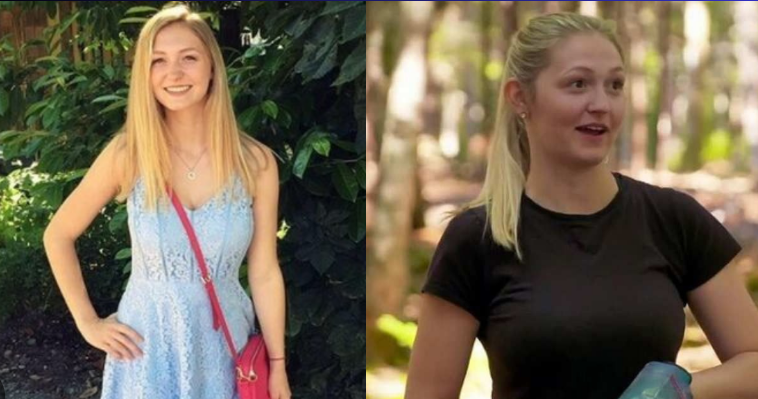
From a production standpoint, a return is possible—but unlikely unless the show re-centres on controlled excavation. If future seasons pivot toward smaller, artifact-rich zones requiring careful archaeological handling, Miriam’s skill set would again be relevant. However, the current trajectory suggests continued emphasis on deep drilling, large anomalies, and structural access.
If she does reappear, it would most likely be in a limited, advisory, or specialist capacity rather than as a regular on-site presence.
The Broader Significance
Miriam Amirault’s exit highlights a broader truth about long-running factual television: not every contributor leaves because of conflict or hidden issues. Sometimes, the project simply moves in a direction that no longer aligns with a professional’s goals.
For viewers, her absence may feel like an unanswered question. For analysts, it reads as a logical outcome of evolving priorities—both personal and production-driven.
Ultimately, her story is not about leaving Oak Island, but about choosing where her expertise matters most. And in doing so, she offers a reminder that behind the spectacle of television mystery lies a real discipline, with real careers that continue long after the cameras move on.