Oak Island’s Latest Discovery: A Mysterious Stone Marker and Its Connection to Ancient Civilizations
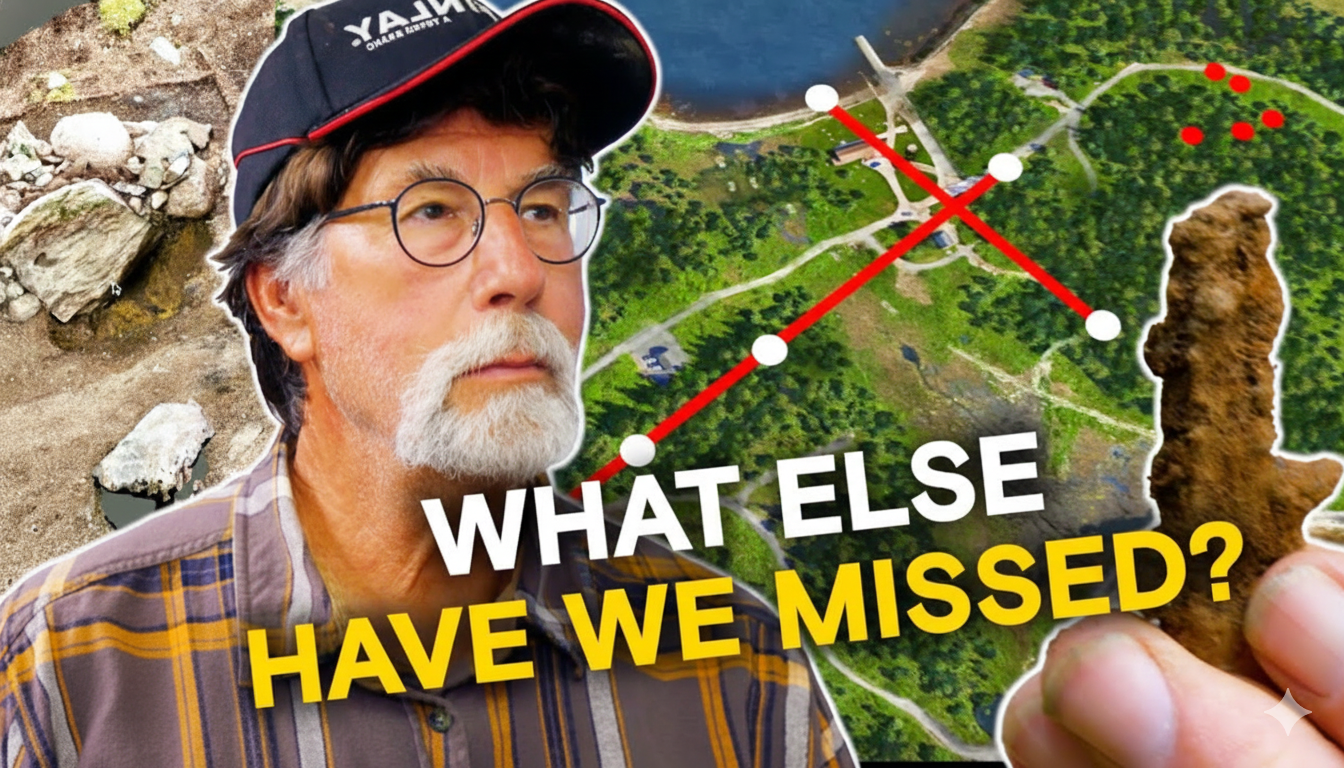
Oak Island has long been a place of mystery and intrigue, captivating treasure hunters and history enthusiasts alike. But the most recent discovery on Lot 5 has raised the stakes significantly. A stone marker, unearthed by Gary Drayton and Rick Lagina, has sparked renewed excitement among the Oak Island team, as it suggests that the island’s secrets may date back centuries—possibly even millennia. As the investigation into the stone marker deepens, the team is uncovering connections to ancient civilizations, including the Romans and Vikings, potentially shedding light on a much larger historical puzzle.
The Discovery: A Stone Marker with Unlikely Origins
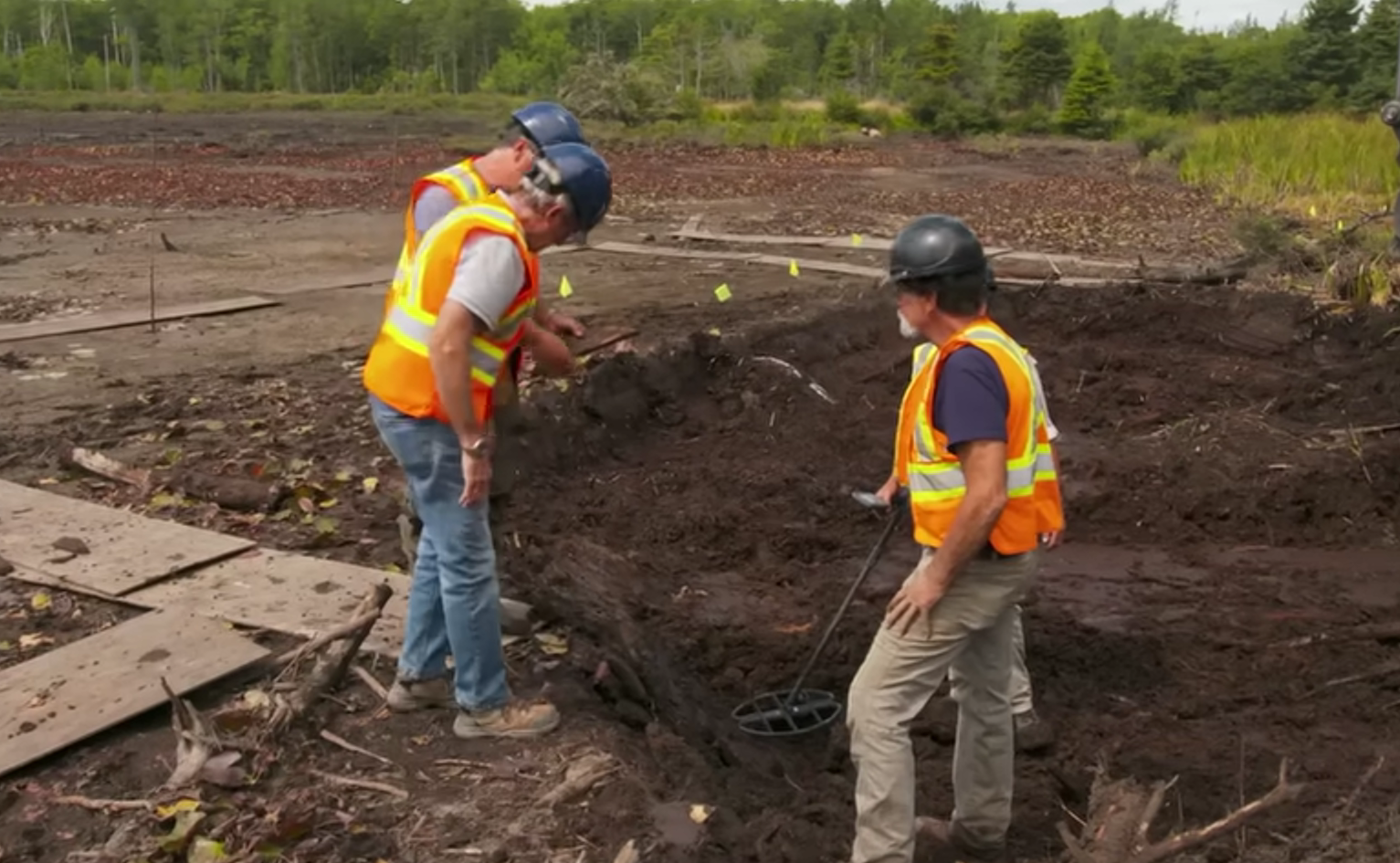
The story begins three weeks ago when Gary Drayton was metal detecting in the northern region of Lot 5, alongside Rick Lagina and other team members. What initially appeared to be a routine search quickly turned into an extraordinary find: a stone marker embedded in the ground. The discovery itself was puzzling, but what made it even more intriguing was the fact that the stone appeared to have been deliberately placed, with no natural explanation for its positioning.
Laird Niven, the team’s archaeologist, has since created a 3D model of the feature using drone-based technology. This model provided the team with a clearer view of the stone marker, revealing that it was likely a man-made structure, propped up and surrounded by rocks. According to Laird’s analysis, the positioning and construction of the stone strongly suggest that it was deliberately placed to either conceal something or mark a specific point of significance. Given the unusual construction, it’s clear that the stone has a purpose beyond mere geological formation.
A Link to Ancient Civilizations: Romans or Vikings?
The discovery of the stone marker has led the team to speculate about its origins. Steve Guptill, a key member of the Oak Island team, has pointed out that the formation resembles similar markers used by the Romans and later the Vikings. This type of structure, known for being used to mark land boundaries or significant points along trade routes, is commonly found in both Roman and Viking archaeological sites. Steve believes the stone marker could be evidence of ancient explorers marking their presence on Oak Island.
Further supporting this theory is the fact that within a 250-foot radius of the stone marker, the team has uncovered six Roman coins. This is an astonishing find, as it suggests that the Romans may have had a presence on Oak Island centuries ago. Steve also notes that Viking settlements have often been found alongside Roman coinage, further reinforcing the possibility that these two ancient cultures may have interacted on the island.
What’s more, the team recently traveled to Iceland to explore Viking and Templar connections, uncovering carvings and symbols that align with the patterns found on Oak Island. These discoveries, combined with the findings on Lot 5, seem to point to a much older, more complex history of the island than previously thought.
What’s Next for the Oak Island Team?
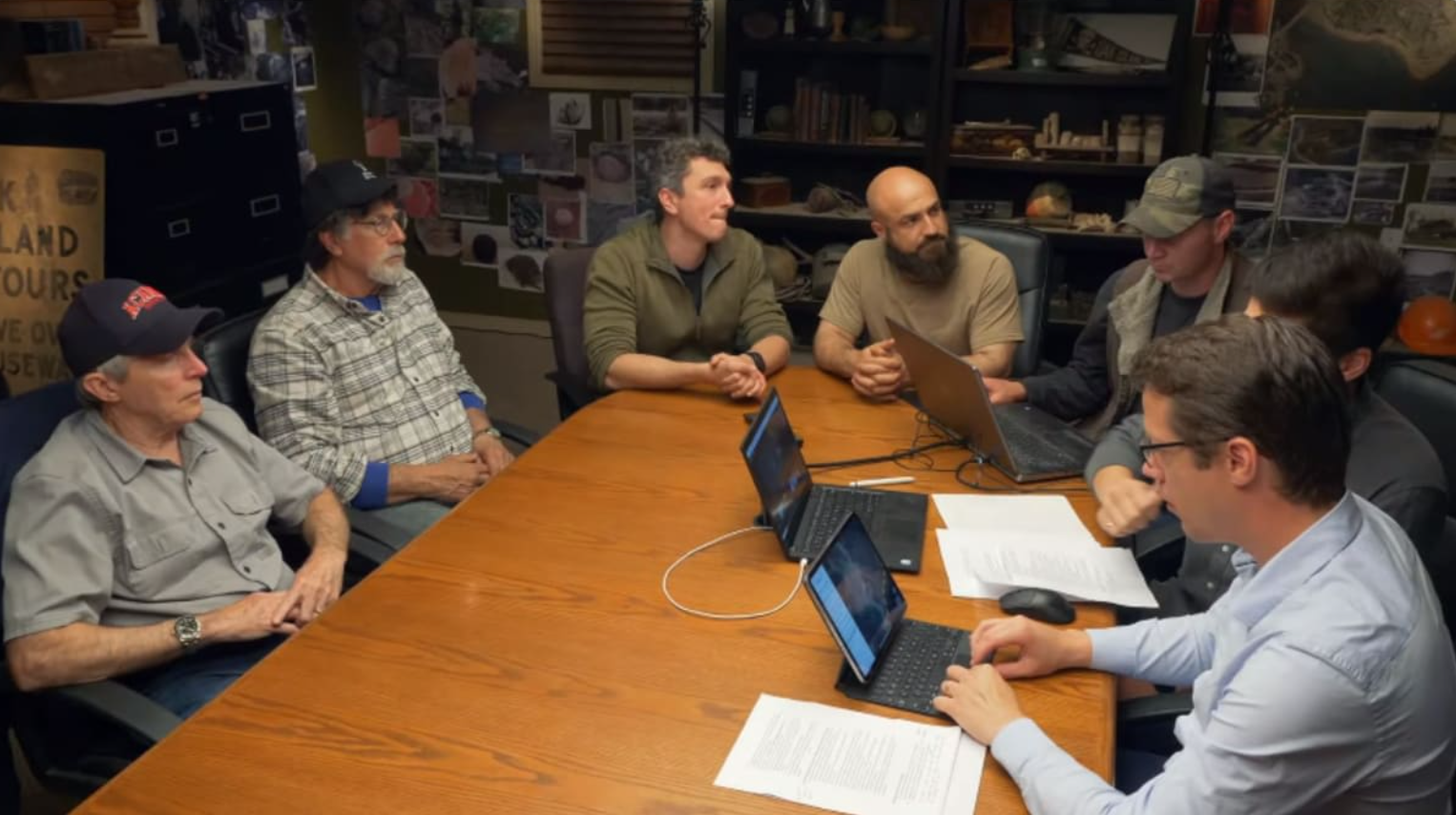
As the Oak Island team continues to investigate the stone marker and its connection to ancient civilizations, they are also exploring the possibility that there may be more markers hidden across the island. The team has already begun surveying a potential line of markers, with Gary Drayton continuing to metal detect along this line. Their goal is to uncover more clues that could lead to the discovery of additional man-made structures, possibly related to the stone marker.
One intriguing find from Gary’s metal detecting efforts was a small iron strap with a square hole, which could have been used to secure a barrel or other container. This piece, though small, could be a vital clue in understanding what was stored or hidden on the island. It may even be linked to treasure or valuable artifacts that were left behind by ancient civilizations. With each new discovery, the team grows more confident that they are on the verge of a monumental breakthrough.
The next steps for the team will involve further excavation and careful analysis of the stone marker’s surroundings. There are also plans to conduct more precise surveys of the area, including the use of ground-penetrating radar (GPR) to detect any hidden structures below the surface. As Rick Lagina noted, the most exciting part of this discovery is that it could be only the beginning. The more the team uncovers, the clearer it becomes that Oak Island’s history may be far more complex and ancient than anyone ever imagined.
The Search for Oak Island’s Secrets Continues
As Oak Island’s mysteries unfold, the team’s latest discoveries have only intensified their determination to unlock the island’s secrets. With each new clue, the possibility of uncovering a treasure trove—or even ancient artifacts—seems increasingly likely. The connection between the stone marker, the Roman coins, and the Viking symbols raises intriguing questions about the island’s past and what it might hold.
Whether this discovery leads to a long-lost treasure or a deeper understanding of Oak Island’s rich history, one thing is certain: the team is closer than ever to solving the mystery that has captivated generations. The stone marker is just one piece of the puzzle, but it may hold the key to understanding the true significance of Oak Island’s role in ancient history. As the investigation progresses, fans of the show and history enthusiasts alike will be eagerly watching to see what comes next.
The journey to uncover the truth about Oak Island continues, and with each discovery, the team edges closer to solving one of the greatest mysteries in history.