Oak Island Season 13, Episode 9: When Evidence Grows Stronger but Answers Stay Just Out of Reach
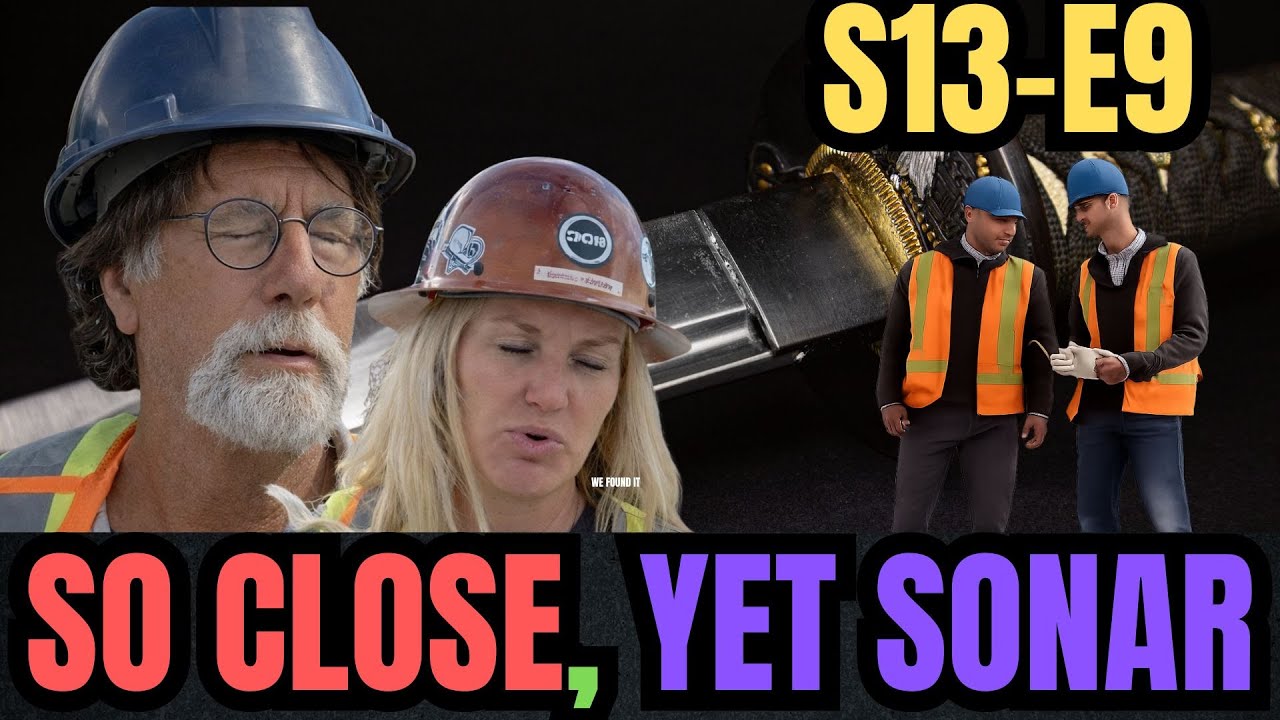
After more than a decade of excavation, theory-building, and disciplined frustration, The Curse of Oak Island continues to master a familiar pattern: bringing its team closer to clarity while carefully avoiding final confirmation. Season 13, Episode 9 — So Close Yet Sonar — may be one of the clearest examples yet of how the series balances progress with restraint.
At its core, the episode connects two of the most compelling investigative threads the show has developed in recent years: the growing archaeological credibility of Lot 5 and a renewed, technically sophisticated push into the Money Pit area. Taken together, these discoveries suggest that Oak Island was not a place of random activity or accidental deposition, but one shaped by deliberate human intent.
Lot 5: Context Over Chaos
Rather than opening in the familiar turbulence of drilling rigs and water intrusion, Episode 9 begins at Lot 5 — a location that has quietly become one of the most productive areas on the island. Unlike the heavily disturbed Money Pit, Lot 5 offers something rarer: context.
The confirmation that a recently recovered object from Lot 5 is a verified sacred religious artifact marks a significant tonal shift. Oak Island has never lacked “could it be” moments, but verification matters. A sacred artifact implies belief systems, ritual importance, and purposeful placement. It suggests organized human presence rather than incidental loss.
From an analytical perspective, this matters more than gold. Religious or symbolic objects tend to travel with people, institutions, or missions — not accidents. While the episode does not explicitly assign the artifact to a specific group, the implications are unmistakable. Medieval Christian orders, early European explorers, or other organized entities are now firmly back in the conversation.
More importantly, Lot 5 reframes Oak Island not merely as a hiding place, but as a site with meaning. And meaning changes how all other discoveries are interpreted.
The Money Pit: A Void Changes the Equation
If Lot 5 provides intellectual grounding, the Money Pit delivers the emotional tension. The episode’s title hinges on a single word that Oak Island fans know well: “void.”
In drilling terms, a void is not debris, not rock, not compacted soil — but empty space. Empty space underground implies structure, and structure implies design. When the team identifies a void at depth, the reaction is cautious but unmistakably charged.
The episode wisely avoids immediate conclusions. The central question — whether the void is natural or man-made — becomes the fulcrum of the narrative. This distinction matters enormously. A natural cavern would be geologically interesting but historically deflating. A man-made cavity would validate decades of speculation that the Money Pit was engineered with purpose and sophistication.
Here, the episode introduces sonar as both solution and limitation. Sonar offers non-invasive visibility, something Oak Island has long lacked. It can define shape, scale, and boundaries without collapsing fragile structures. But sonar, as seasoned viewers know, also creates a new layer of ambiguity. Shapes appear, but meanings remain elusive.
When dialogue suggests the opening is “not natural,” the statement lands heavily — but not conclusively. Oak Island rarely allows certainty without caveats.
Patterns, Not Proof
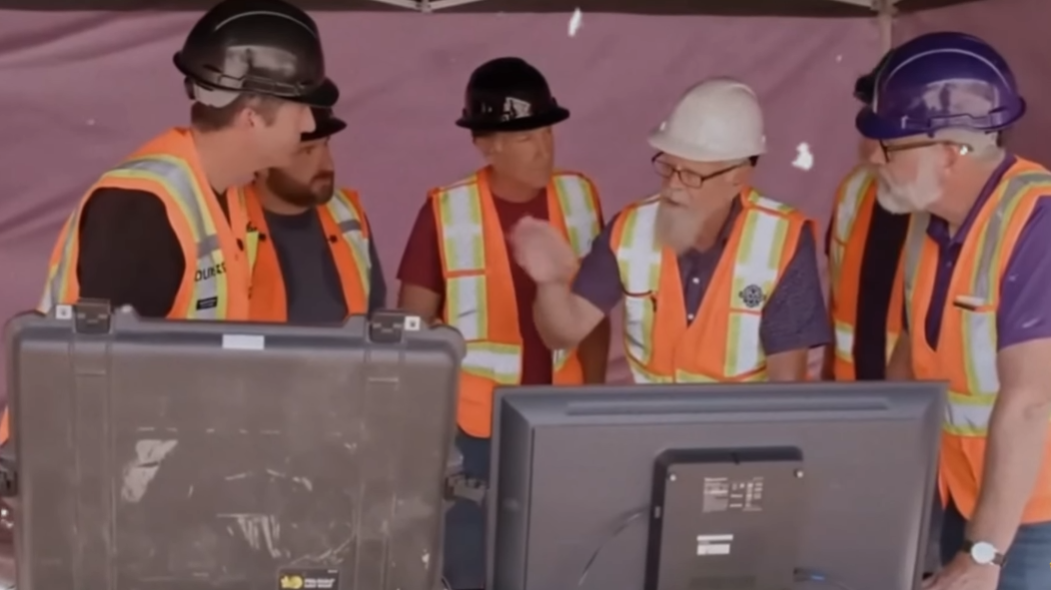
One of the most interesting analytical moments comes when team members compare the void to wooden materials found near earlier suspected vaults. This is subtle but important. Oak Island discoveries gain strength not from singular moments, but from repetition. Patterns suggest systems. Systems suggest planning.
The long-standing theory of multiple underground vaults has often been dismissed as speculative. Yet sonar-detected cavities at varying depths quietly reopen that possibility. Multiple vaults would imply long-term engineering rather than a hurried concealment — a project, not a reaction.
Still, Episode 9 resists triumphalism. Even a confirmed man-made cavity does not automatically equal treasure. It equals questions. Who built it? When? Why here? And why go to such lengths to conceal it?
A Shift in Tone
What stands out most in So Close Yet Sonar is not what is discovered, but how the team speaks about discovery. Early seasons were marked by optimism and bold declarations. Season 13 feels different. The language is more measured, more careful — and, paradoxically, more intense.
Statements like “we’d love nothing better than to see a man-made cavern” sound less like hype and more like fatigue-laced hope. These are individuals who have invested years of work, credibility, and patience into the process. The excitement is real, but it is tempered by experience.
The episode also leans more heavily into process than speculation. Verification, measurement, sonar interpretation, and cross-referencing past finds dominate the narrative. This approach lends the episode a more archaeological tone, positioning Oak Island as an ongoing investigation rather than episodic entertainment.
Still Close, Still Waiting
Ultimately, Episode 9 does not resolve the mystery — and it does not pretend to. Instead, it narrows the gap between evidence and understanding. Sacred artifacts on the surface. Engineered voids below. Human intent suggested both above and beneath the ground.
What remains missing is the connective proof — the undeniable link that turns possibility into fact.
So Close Yet Sonar does not break the Oak Island cycle. It sharpens it. And in doing so, it reinforces the show’s central premise: Oak Island is not random. Something happened there. Someone built something there. And whatever it was, it mattered enough to hide.
For a series entering its thirteenth season, that may be the most compelling position it can occupy — standing at the edge of certainty, staring into the dark, and knowing just enough to keep going.