RICK LAGINA UNEARTHS “FORBIDDEN” STRUCTURE DEEP BENEATH OAK ISLAND
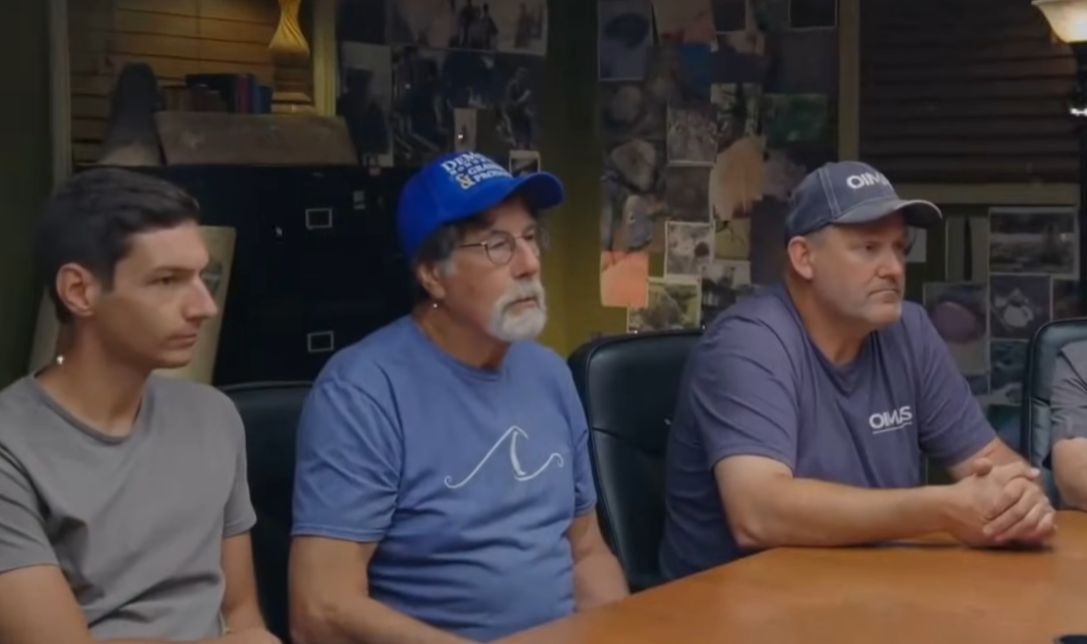
For over two centuries, Oak Island has been defined by a singular, vertical obsession: the Money Pit. But this week, the narrative of the world’s longest treasure hunt has shifted from a mere hole in the ground to a massive, coordinated engineering project that history—and perhaps modern authorities—never intended to be seen.
Sources close to the Rick and Marty Lagina excavation report a “quiet moment” underground that has effectively halted standard production. While filming, Rick Lagina reportedly encountered a feature so anomalous it prompted an immediate perimeter lock-down. Satellite scans of the area now suggest a subsurface structure far larger than the original Money Pit, buried at depths that defy 18th-century colonial capabilities.
The Anatomy of an Operation
The discovery of this “forbidden” structure is the culmination of a series of high-stakes finds that point to an advanced, industrial-scale operation on the island centuries ago. Among the most compelling pieces of evidence are 14th-century iron swages—heavy-duty tools used by master blacksmiths to mold and shape metal.
The presence of these tools on Lot 21 suggests that Oak Island was not merely a hiding spot for a pirate’s chest, but a site of extensive mining and metalwork. “These aren’t the tools of a casual settler,” one historian noted. “These belong to a highly skilled, mobile military or monastic unit.“
The Parchment and the Philosopher
Adding to the intrigue is the recovery of a tiny parchment fragment from 153 feet below the surface. Located beneath a “cement-like” protective layer, the parchment has reignited theories involving Sir Francis Bacon.
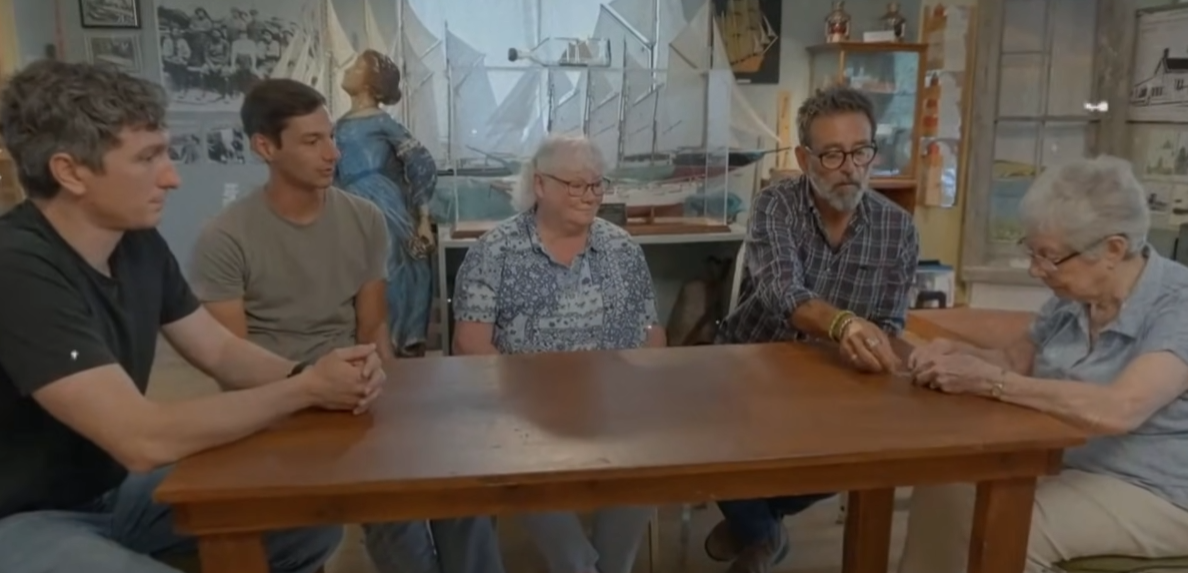
Scholars suggest the island may serve as a “Baconian Vault,” designed to protect lost Shakespearean manuscripts or Rosicrucian secrets. The depth and deliberate sealing of the parchment suggest it was never meant to be recovered by chance, but preserved for a specific, enlightened successor.
A Convergence of Legends
The island’s recent findings have created a mosaic of historical possibilities:
-
The Templar Link: The discovery of a coin featuring a Templar Cross near the Money Pit, combined with the geometric precision of Nolan’s Cross, continues to fuel the theory that the medieval order used the island as a New World bank following their 1307 purge.
-
The Samuel Ball Enigma: New artifacts on Lot 24, including coins and pistol components, have sparked fresh questions regarding Samuel Ball. The former slave turned wealthy landowner is often whispered to have found part of the treasure, using it to build his 18th-century estate.
-
Marine Anomalies: In the swamp, the discovery of coconut fiber—a material not native to Canada but common in 18th-century maritime rigging—at depths of 60 feet points to a deliberate “filter” system for ancient flood tunnels.
The Seventh Death
As the team pushes into this new, larger structure, the “Curse of Oak Island” looms larger than ever. Legend dictates that seven must die before the secret is revealed; to date, six lives have been lost. The sheer scale of the newly identified structure suggests that the “booby traps”—specifically the intricate flood tunnels first documented by Daniel McGinnis in 1795—remain active and lethal.
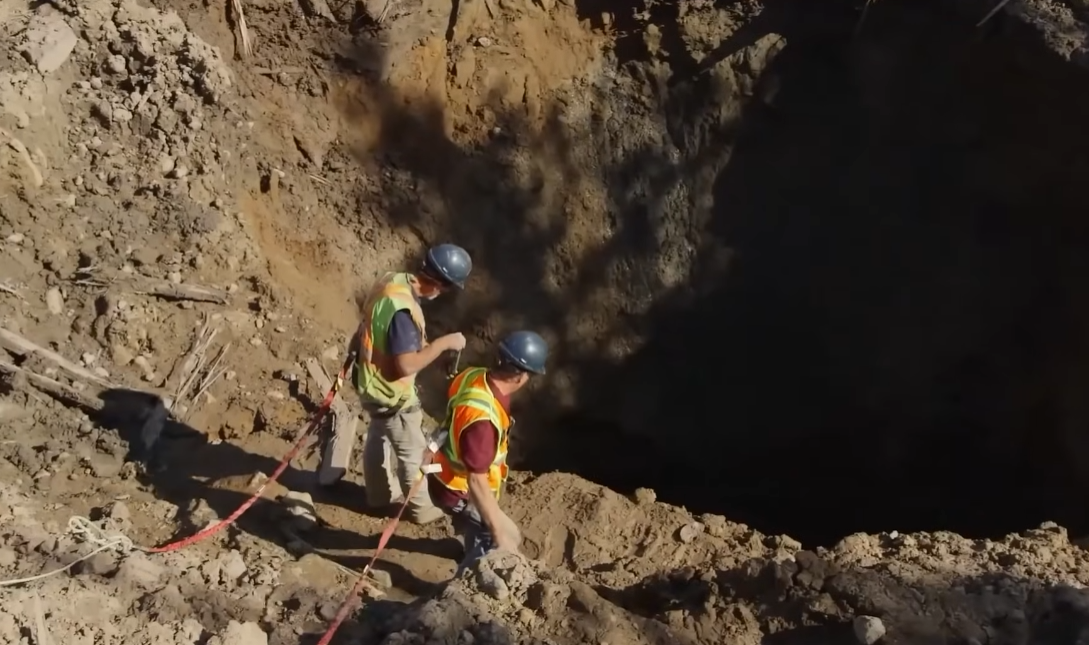
Rick Lagina’s latest discovery suggests that the story of Oak Island is no longer just about gold. It is about a hidden chapter of human history—a massive, underground facility built with a level of sophistication that “history tried to erase.“
As the fellowship prepares for a deeper descent, the world watches to see if the seventh death is a price the island will finally demand for its truth.