A rare gold deposit has been discovered behind Oak Island—estimated to be worth approximately $10 million.
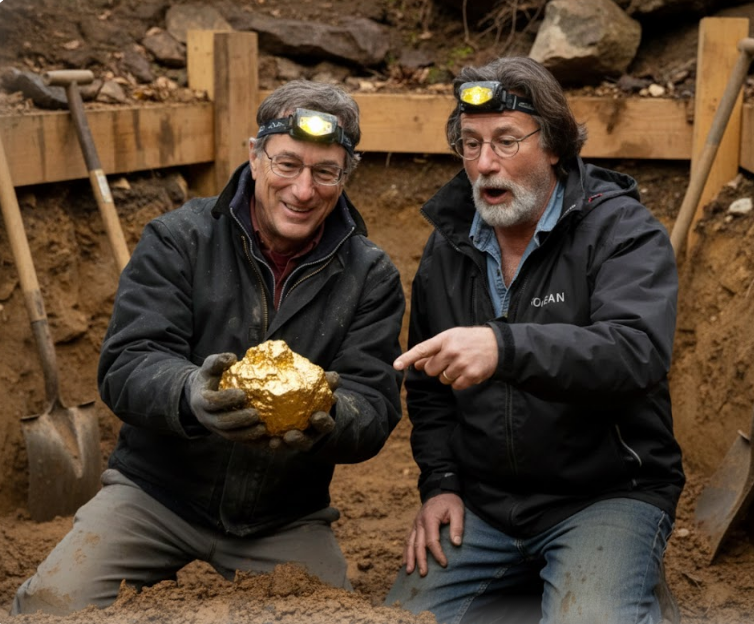
For more than a decade, The Curse of Oak Island has trained its audience to look beneath the surface — literally and figuratively. The island’s appeal has never rested solely on the promise of treasure, but on the question of why so much effort was invested in concealing something there. A reported discovery of a rare gold deposit located behind Oak Island, valued at approximately $10 million, introduces a new and potentially transformative angle to that question.
From a programme-analysis standpoint, this development matters not because of the dollar figure alone, but because of location. A deposit behind the island immediately expands the search narrative beyond Oak Island’s interior and reframes the island as part of a wider operational landscape.
Why “Behind the Island” Matters
Historically, Oak Island has been treated as a self-contained mystery. Shafts, tunnels, stone features, and artifacts are interpreted as evidence of activity focused tightly on the island itself. A gold source nearby but off-island challenges that assumption.
If gold existed within practical reach of Oak Island, it strengthens a long-suggested theory: the island may not have been the source of wealth, but the secure storage and transfer point. In other words, Oak Island could have functioned as a vault rather than a mine.
For analysts of the series, this distinction is critical. Mining operations require different infrastructure than concealment operations. The engineering complexity seen on Oak Island — flood controls, stone markers, backfilled shafts — makes far more sense if valuable material was brought in from elsewhere and protected with intent.
How the Show Would Likely Approach This Discovery
The programme’s editorial pattern suggests that the first response would be verification and restraint. Rather than rushing to celebrate the find, the show would likely explore geological surveys, historical records, and logistical feasibility.
Key questions would dominate early episodes:
-
Is the deposit naturally occurring or evidence of historical extraction?
-
Does its composition match material previously found on Oak Island?
-
Could it have been accessed using technology available during the suspected period of activity?
Expect expert geologists, metallurgists, and historians to weigh in. The series has increasingly relied on interdisciplinary analysis, and a discovery of this nature would demand that level of scrutiny.

Potential Connections to Existing Evidence
From an analytical perspective, the most compelling aspect is how such a deposit could connect existing clues. Over the years, the team led by Rick Lagina and Marty Lagina has uncovered traces of precious metals in unexpected places — water samples, soil cores, and isolated artifacts that suggest proximity to valuable material rather than random loss.
A nearby gold deposit could provide a unifying explanation. If material was transported from the mainland or adjacent areas to Oak Island, it would clarify why gold signatures appear without large-scale mining debris on the island itself.
It would also elevate the importance of docks, causeways, and potential off-island access routes — areas that have historically received less attention than the Money Pit or Smith’s Cove.
How This Could Shift the Season’s Narrative
From a storytelling standpoint, this discovery could mark a narrative expansion rather than a conclusion. The focus would likely move from “what is buried here?” to “how was this system designed to operate?”
Viewers might see:
-
Renewed investigation into shoreline features and submerged structures
-
Comparative analysis between on-island finds and off-island geology
-
A broader mapping of movement corridors between land and sea
This shift aligns with the show’s recent evolution toward systems thinking — examining how individual features interact rather than treating them as isolated curiosities.
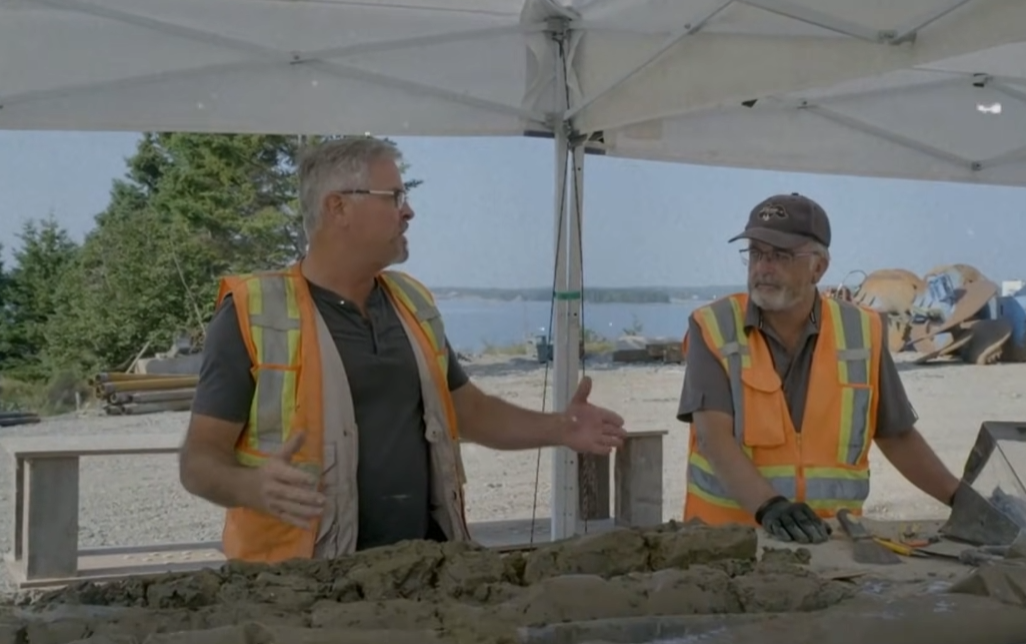
Predictions for What Comes Next
Based on past seasons and editorial signals, several developments are likely:
-
Cross-Referencing Metal Signatures
If the off-island gold shares compositional traits with material detected on Oak Island, the show will treat that as a major link. -
Reassessment of Engineering Features
Structures once thought defensive or symbolic may be reinterpreted as logistical safeguards for transported wealth. -
Expanded Geographic Scope
The investigation may widen to include adjacent land, seabed routes, and historical transport patterns, reinforcing the idea that Oak Island was one node in a larger network. -
Heightened Archaeological Oversight
Any move toward off-island exploration would likely proceed cautiously, with increased emphasis on documentation and preservation.
What This Means for the Long-Term Mystery
Crucially, a $10 million deposit behind Oak Island does not diminish the island’s significance — it enhances it. It provides motive. It explains scale. And it reinforces the idea that those who engineered Oak Island understood value, secrecy, and risk management.
From an analyst’s viewpoint, this is the kind of development that keeps the series credible. It grounds speculation in geography and economics rather than legend alone. It also preserves the show’s central tension: the difference between finding treasure and understanding why it was hidden.
If the connection holds, Oak Island may finally be seen not as an isolated enigma, but as the keystone of a carefully planned operation. And that reframing could guide the investigation — and the series — into its most coherent phase yet.