100x Stronger Ground-penetrating Radar Drone Scanned Oak Island And CONFIRMED The Treasures Location
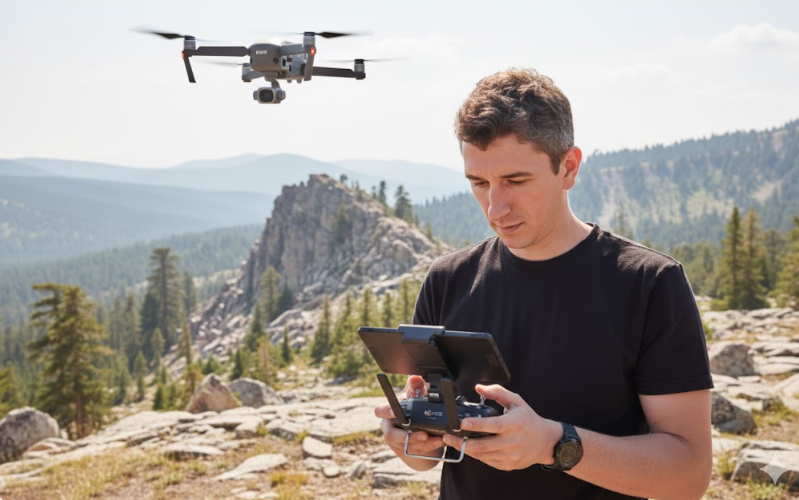
As an analyst who has followed The Curse of Oak Island from its earliest seasons, few stories raise more red flags than the recent narrative claiming that Rick Lagina has used “quantum artificial intelligence” to reveal a vast underground complex filled with gold, manuscripts, and sacred relics beneath the Money Pit. The scale of the claim is extraordinary. So, too, is the need for restraint.
For more than two centuries, Oak Island has been defined by patience, incremental evidence, and the slow elimination of myths through data. The show itself has evolved in that direction, relying on drilling results, archaeological context, dendrochronology, metallurgy, and engineering studies. Against that backdrop, a sudden announcement that a machine has “solved” the mystery by imaging chambers at 200 feet, quantifying precious metals, and identifying historical artifacts without physical recovery represents a dramatic departure from the project’s established methodology.
The first issue is technological plausibility. No publicly documented system exists that can non-invasively map subatomic signatures of gold, wood, empty space, and written materials with inch-level accuracy at hundreds of feet underground. Ground-penetrating radar, seismic tomography, muon imaging, and magnetometry each have strengths and limitations, but none can do what is being claimed here—especially not with precise material identification. When a story relies on unnamed “quantum AI” tools without peer-reviewed validation, analysts must treat conclusions as speculative at best.
Second, Oak Island history cautions against definitive language. The Money Pit has produced compelling correlations before—wood at consistent intervals, flood tunnels at Smith’s Cove, and engineered features near the Garden Shaft. Those findings strengthened theories about intentional construction, but they did not convert possibility into proof. The current claim leaps far beyond correlation, asserting detailed inventories of gold and silver by weight, the presence of manuscripts, and even the identification of symbolic objects. Without recovery, documentation, and independent verification, such specifics remain narrative, not evidence.
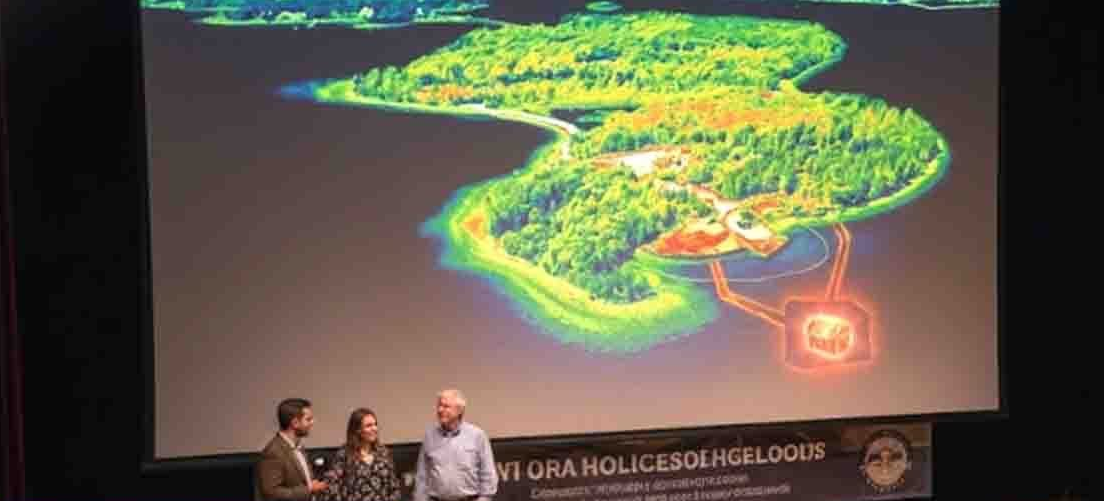
There is also a mismatch with how the Lagina brothers communicate. Over many seasons, Rick and Marty Lagina have been notably conservative in their public statements. Even when results are promising, they frame conclusions carefully and emphasize next steps rather than final answers. A sweeping declaration that “the riddle is solved” would run counter to years of disciplined presentation. Analysts should therefore question attribution and source reliability before accepting the claim as reflective of the team’s position.
That said, the story does touch on ideas that have long been part of Oak Island’s intellectual ecosystem. The concept of a multi-level engineered system, flood tunnels designed to protect deposits, and offshore logistics connecting shoreline to interior have been explored with increasing seriousness. If advanced modeling—using combinations of sonar, seismic data, and drilling logs—suggests a coherent underground network, that would be a meaningful development. But meaningful does not mean conclusive.
The historical claims embedded in the narrative warrant equal scrutiny. Assertions involving Roman-era materials, medieval orders, and transatlantic movements of sacred objects demand extraordinary corroboration. Archaeology relies on context: stratigraphy, provenance, and controlled recovery. Imaging alone cannot establish age, cultural origin, or function with certainty. Any suggestion that manuscripts or culturally significant artifacts exist beneath Oak Island would require a chain of custody beginning at excavation—not a scan.
The legal and ethical dimensions raised by the story, however, are worth noting. If a substantial deposit were ever verified, questions of ownership, heritage protection, and international claims would immediately follow. Canada’s cultural property framework, provincial oversight, and international conventions would all apply. In that sense, the story’s emphasis on complexity after discovery is realistic—even if the discovery itself remains unproven.
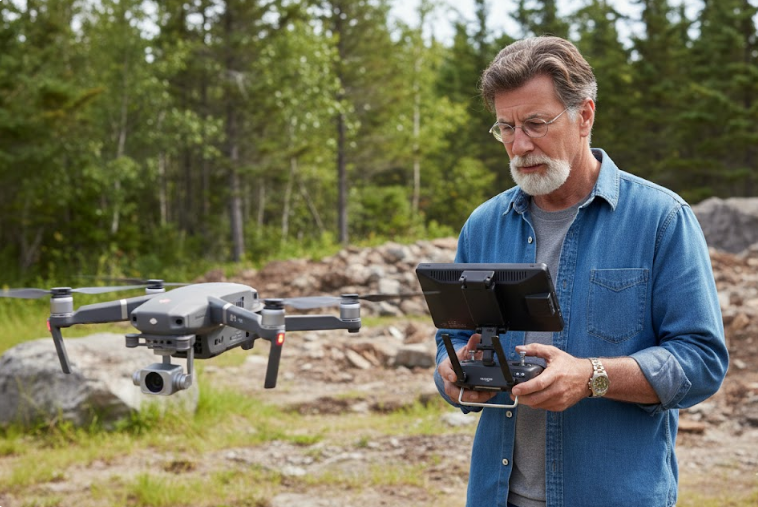
Where does this leave viewers and readers? With a familiar lesson. Oak Island advances through cumulative, testable steps. Breakthroughs emerge when multiple independent lines of evidence converge and are then validated through recovery and analysis. The show’s most credible moments have come not from sweeping declarations, but from careful confirmation—wood dated, metal analyzed, structures contextualized.
My prediction is that claims like this will continue to circulate online because they compress years of uncertainty into a single, satisfying answer. But the actual project will proceed as it always has: targeted drilling, cautious interpretation, and incremental validation. If future seasons reveal stronger evidence of a unified underground system, that would be significant. If not, this episode will join a long list of bold stories that outran the data.
In short, Oak Island does not need a quantum miracle to remain compelling. Its power lies in the discipline of the search. Until material is recovered, documented, and verified, any story that promises total resolution should be read as speculation—not history.