Oak Island stands at a crossroads: What surprises did Episode 15, “Swamped” bring to Season 13?
After more than a decade on television, The Curse of Oak Island has taught its audience to be cautious. Promises of breakthroughs have come and gone, often buried beneath mud, speculation, and fragments that raised more questions than answers. Yet Season 13, Episode 15 — tellingly titled Swamped — arrives with a different tone, one that suggests the investigation may finally be narrowing rather than endlessly expanding.
Premiering on February 24, 2026, the episode places simultaneous focus on the two most symbolically loaded locations on the island: the Money Pit and the swamp. That dual emphasis alone marks a notable shift. Traditionally, episodes concentrate on one primary zone, allowing theories to develop in isolation. Here, however, the activity appears coordinated, hinting at a convergence of storylines that have been building quietly across multiple seasons.
The Money Pit remains the emotional and historical core of Oak Island. It is where the legend began and where centuries of effort — and loss — have been concentrated. In Season 13, the approach to this area has become noticeably more deliberate. Advanced drilling, reinforced caissons, and heavy equipment suggest a willingness to take calculated risks rather than rely on incremental probing. Episode 15 appears to escalate that strategy.
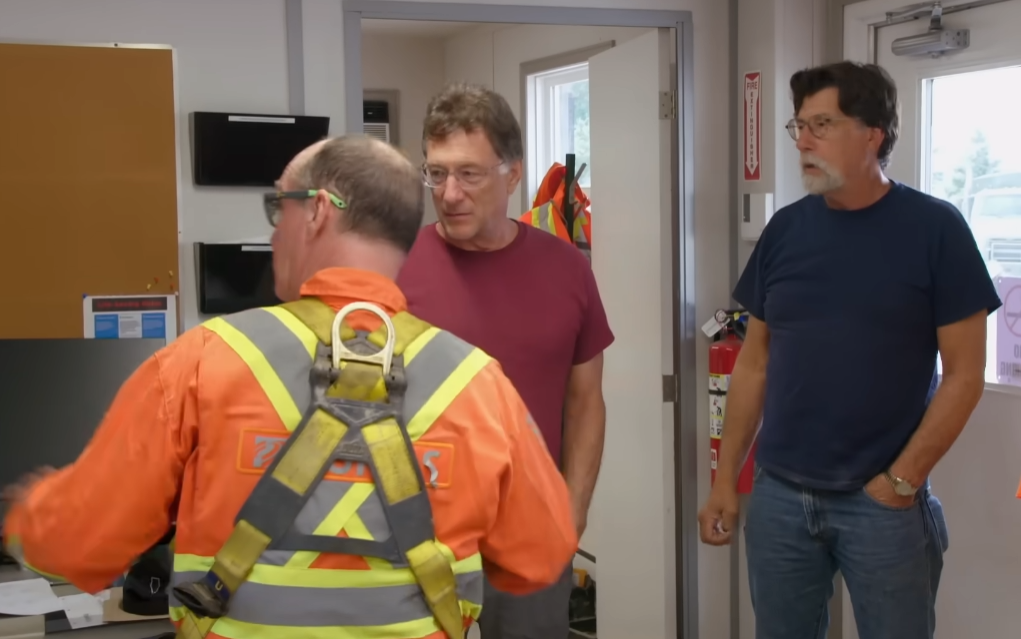
Preview dialogue offers revealing clues. When drilling specialists and large-scale excavation crews arrive on site, it typically signals that the Lagina brothers believe they are close to a defined target worth the expense and danger. Statements emphasizing urgency — the desire to “find something today” — mark a departure from the cautious language viewers have grown accustomed to. The implication is clear: the team is responding to specific data, not general optimism.
Equally striking is the description of the machinery involved as “unstoppable.” Within the context of Oak Island, that term often refers to progress past geological or structural barriers that previously halted operations, such as flooding, collapses, or unstable layers. Even without a dramatic discovery, successfully penetrating those obstacles would represent meaningful progress, offering confirmation that the underground system can finally be navigated in a controlled way.
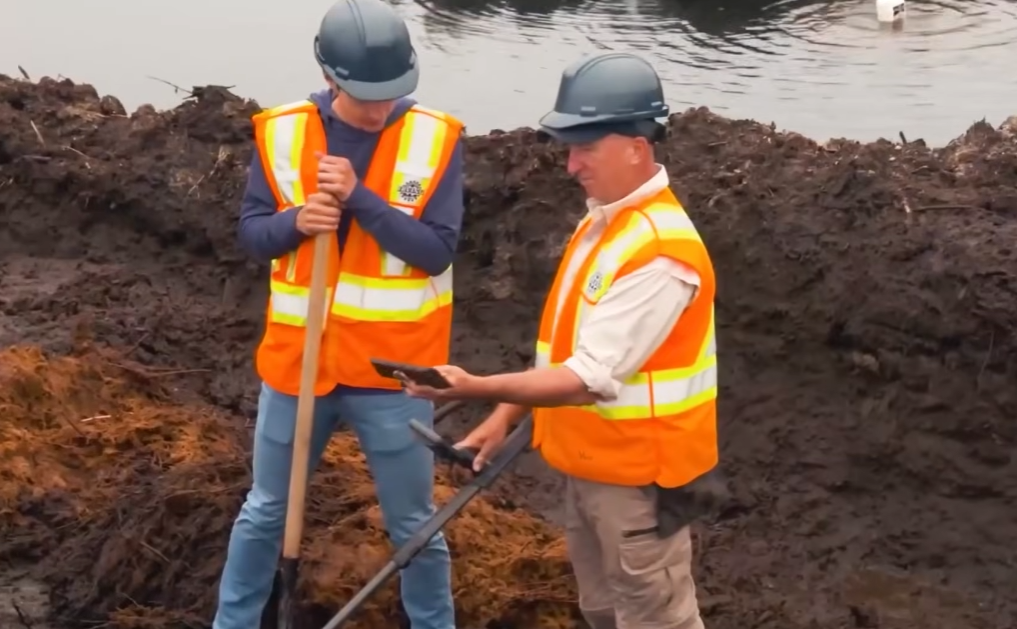
While the Money Pit draws attention, the swamp may hold the episode’s most intriguing development. Long theorized to be artificial or heavily modified, the swamp has been associated with ship-shaped anomalies, stone pathways, and possible offloading operations. In Swamped, that speculation appears to give way to something more concrete: a recognizable artifact.
The reaction captured in previews is notable not for excitement alone, but for immediacy. An object believed to resemble a key is sent directly for laboratory analysis, bypassing the prolonged on-site debates that have characterized many past finds. That urgency strongly suggests the artifact is unmistakably man-made and structurally intact enough to preserve diagnostic features — a rarity in Oak Island’s corrosive environment.
More compelling still is the reference to a “super early time period.” For a team accustomed to dating objects to the 17th or 18th centuries, such a reaction implies results that fall outside expected colonial timelines. If laboratory analysis points to medieval or early modern origins, it would lend new credibility to theories involving early European activity and challenge long-held assumptions about when the island was first used.
What elevates Episode 15 beyond a typical artifact reveal is the suggestion that discoveries across different areas may finally align. For years, Oak Island clues have appeared disconnected — intriguing on their own, but difficult to synthesize into a coherent narrative. The language used by the team in this episode hints at a shift toward integration. Rather than asking what each object might mean in isolation, the investigation appears focused on how findings relate to one another geographically and chronologically.
Such alignment would support the idea that Oak Island functioned not as a single burial site, but as a coordinated system — one involving transportation, concealment, and controlled access. In that context, an object resembling a key becomes symbolically and practically significant. Keys imply locks, storage, and intention, reinforcing theories that the island’s features were designed for long-term use rather than one-time concealment.
Beyond the technical implications, Swamped also touches the emotional core of the series. Rick Lagina has long emphasized that the true value of Oak Island lies not solely in treasure, but in the human story behind it. Early artifacts speak to people who invested effort, risk, and knowledge into this remote location. The genuine surprise in the team’s reactions suggests the data itself is driving renewed belief.
Whether Episode 15 delivers definitive answers remains uncertain. Oak Island has earned its reputation for restraint. Yet even incremental clarity would represent a significant shift. Establishing a credible historical framework — supported by laboratory evidence and reinforced by structural findings — would allow future episodes to build forward rather than reset the mystery.
In that sense, Swamped feels less like a climax and more like a pivot. It may mark the moment when Oak Island stops circling its questions and begins narrowing them. For a mystery that has endured centuries — and a series now deep into its second decade — that direction alone could be its most meaningful discovery yet.