THE MONEY PIT OR A MONEY TRAP? Alleged Whistleblower Claims Oak Island is a Multi-Million Dollar TV Mirage
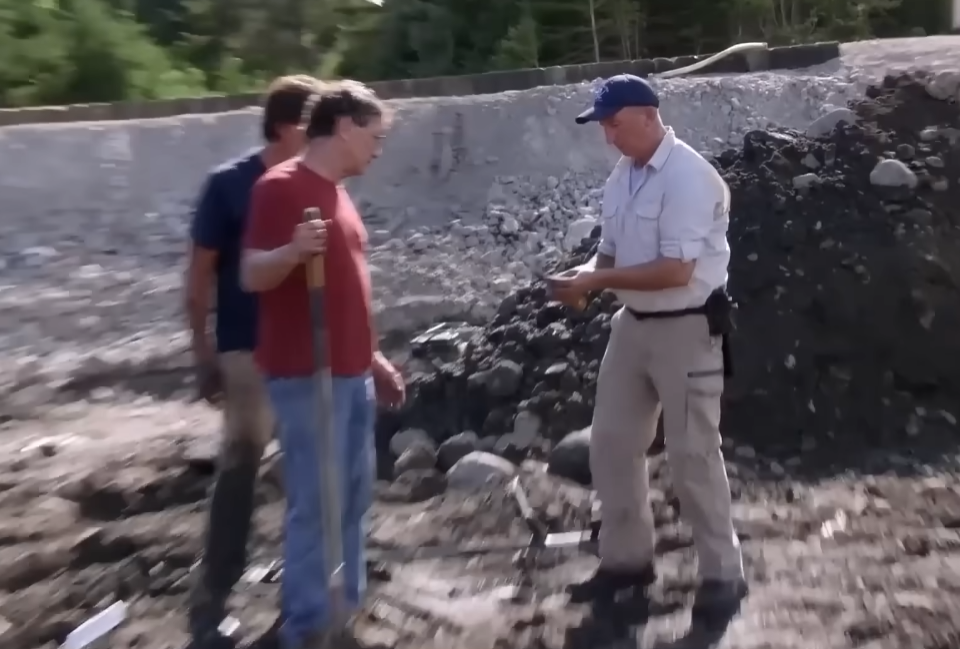
For over a decade, the world has watched Rick and Marty Lagina battle booby traps and ancient curses on the shores of Oak Island. But according to an alleged former employee, Katya Drayton, the only thing truly buried on the island is a carefully crafted narrative designed to keep cameras rolling and ratings soaring.
In a series of startling claims, the whistleblower suggests that the “greatest mystery of modern history” may actually be the most successful reality television production ever devised.
“Salting” the Site: Planting the Past?
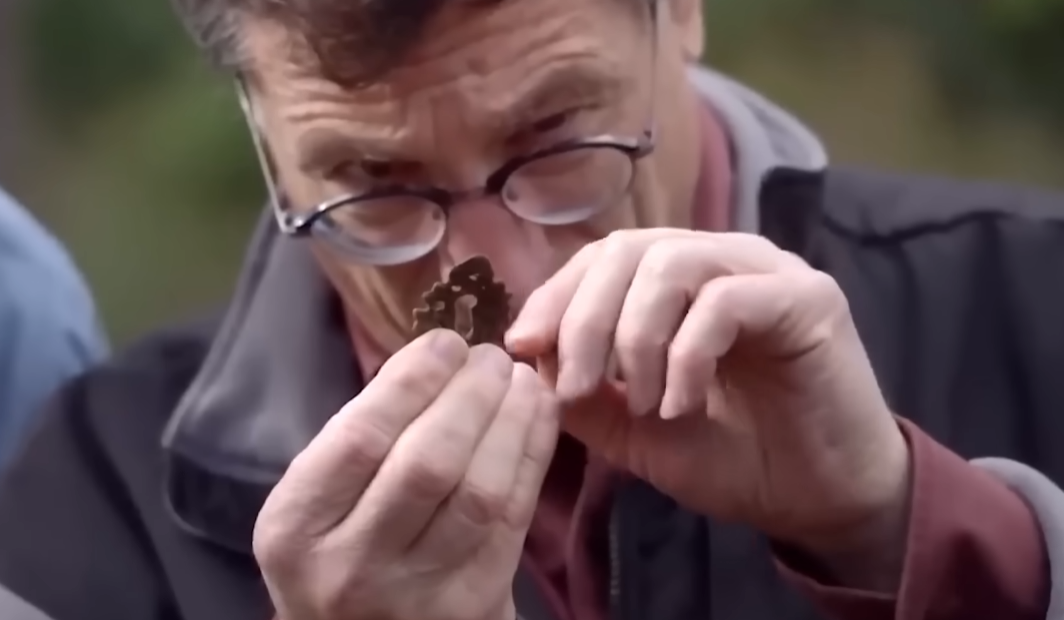
The most damning allegation involves the discovery of artifacts. While fans have cheered at the unearthing of Spanish coins, Roman swords, and medieval crosses, the insider claims these finds are often a result of “salting”—a practice where historical items are secretly planted to be “discovered” during filming.
“The excitement you see on camera is real,” the source alleges. “But it’s the excitement of finding something, not necessarily finding it there. With tons of soil being moved, proving an object wasn’t there to begin with is nearly impossible.”
The report further suggests that data regarding gold traces in water samples from borehole 10X was intentionally overblown. While the show presented these traces as a “smoking gun,” the whistleblower claims the levels were microscopic—consistent with natural seawater—but framed through dramatic editing and suspenseful music to imply a nearby treasure chest.
Geology vs. Mythology
While the show promotes the idea of sophisticated “flood tunnels” and man-made platforms every 10 feet, mainstream geologists have long pointed to a less romantic explanation: Karst geology.
Oak Island sits on a foundation of limestone and gypsum—minerals that dissolve easily in water. This process naturally creates:
-
Sinkholes: Which can swallow debris and trees, creating the appearance of “man-made” layers.
-
Natural Tunnels: Channels in the bedrock that allow seawater to rush in when a hole is dug below the water table.
The whistleblower claims producers are fully aware of these geological realities but choose to ignore them. “A natural anomaly is given a name like ‘the hatch’ or ‘the serpent mound,’ and an entire season is spent trying to connect it to the Knights Templar,” the source stated.
Following the Money (Not the Map)
Critics, including podcast giant Joe Rogan, have noted the suspicious absence of any significant treasure despite the use of state-of-the-art technology. The whistleblower suggests this is by design.
As one of the History Channel’s top-rated programs, The Curse of Oak Island has become a massive financial engine. The “real treasure,” the source argues, is the series itself. A final discovery—either of gold or of proof that nothing exists—would effectively end the revenue stream provided by tourism, merchandise, and production budgets.
| Revenue Stream | Status |
| TV Ratings | Multi-million dollar ad revenue |
| Tourism | Thriving island tours and museum |
| Merchandise | Global sales of “Lagina” apparel |
| The Gold | Unconfirmed/Microscopic |
The Ethics of the “Curse”
Perhaps the most controversial claim involves the “Oak Island Curse.” The legend states that seven must die before the gold is found. To date, six have perished. However, the whistleblower alleges the show “coldly uses” these tragedies—which were largely industrial accidents—to heighten the supernatural stakes.
The 1965 Restall family tragedy, where four men died from toxic fumes, is cited as a workplace accident involving poisonous gas pockets, common in deep excavations. Reframing these deaths as part of a “curse” is, according to the source, a calculated move to cast the cast as heroes battling a dark force rather than laborers in a hazardous environment.
As Season 16 continues, the question remains: are the Laginas hunting for the Ark of the Covenant, or are they digging for the next plotline?