Harriet Cowan’s Return Signals Clarkson’s Farm Is Ready for Its Next Chapter
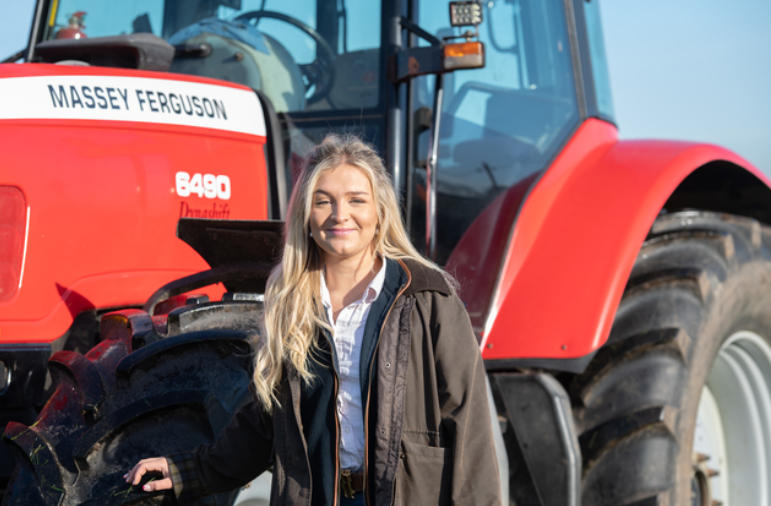
In Clarkson’s Farm, change rarely arrives with grand announcements. Instead, it reveals itself quietly—through who turns up, who takes on more responsibility, and who the production chooses to place back at the centre of the story. The return of Harriet Cowan is one of those signals. Subtle on the surface, it strongly suggests that the next season is not only ready, but deliberately repositioned.
Harriet Cowan’s presence has always represented more than an extra pair of hands. She embodies a younger, more methodical generation of farming voices—practical, informed, and unromantic about the realities of agricultural work. Her return indicates that the series is preparing to move beyond novelty and chaos toward a season shaped by consequence, continuity, and long-term thinking.
Why Harriet’s Return Matters Now
Clarkson’s Farm has evolved significantly since its debut. Early seasons leaned heavily on contrast: Jeremy Clarkson’s inexperience versus the unforgiving realities of farming. That formula worked because it was authentic and fresh. But as the series matured, so did its themes. Farming stopped being a punchline and became the central conflict.
Harriet Cowan’s return aligns with that shift. Her timing suggests the production is ready to explore farming not just as an experiment, but as a sustained operation shaped by people who understand the land beyond trial and error. She brings credibility without theatrics, which is increasingly important as the show moves deeper into real agricultural challenges.
From an analytical standpoint, her reappearance signals confidence. The show no longer needs to rely solely on Clarkson’s learning curve. Instead, it is reinforcing its foundation with capable, knowledgeable figures who can carry storylines rooted in reality rather than reaction.
A Signal of Structural Change
Harriet’s return also points to a structural recalibration within the series. Clarkson’s Farm has always balanced humour with hardship, but recent seasons have leaned more heavily into systemic pressures—weather volatility, supply costs, regulation, and sustainability.
Harriet fits naturally into this environment. Her approach is observational and solutions-focused, which complements a season likely to spend more time on planning and less on crisis management. That does not mean the chaos disappears—it means the chaos has context.
Expect the next season to explore how decisions made months earlier ripple forward. Harriet’s role may increasingly involve assessment, discussion, and comparison—framing outcomes rather than reacting to them. For a show entering a more mature phase, this is a logical progression.
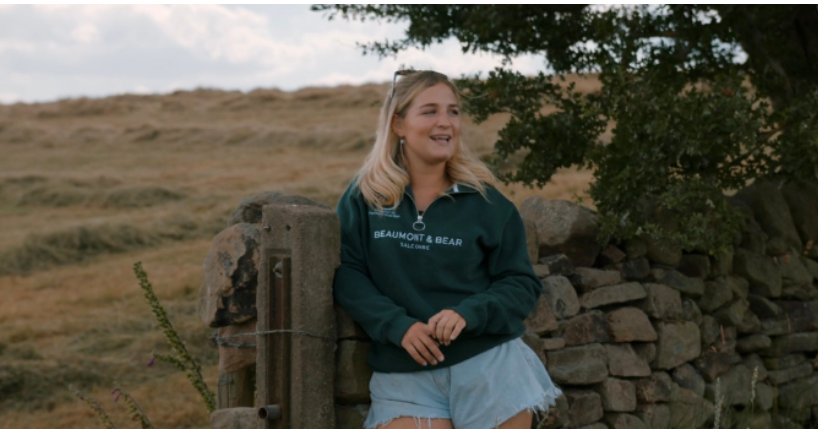
What Her Return Suggests About the New Season’s Tone
Clarkson’s Farm has gradually shifted from a personality-driven experiment into a broader commentary on modern British farming. Harriet Cowan’s return suggests that trend will continue.
Rather than centring solely on Clarkson’s missteps, the new season is likely to:
-
Examine how farms adapt rather than improvise
-
Highlight generational differences in farming outlook
-
Focus on resilience instead of one-off wins
-
Emphasise teamwork over individual problem-solving
Harriet’s presence allows the show to contrast experience with perspective, tradition with adaptation. This dynamic deepens the narrative and reflects the real tensions facing agriculture today.
Interactions That May Shape the Season
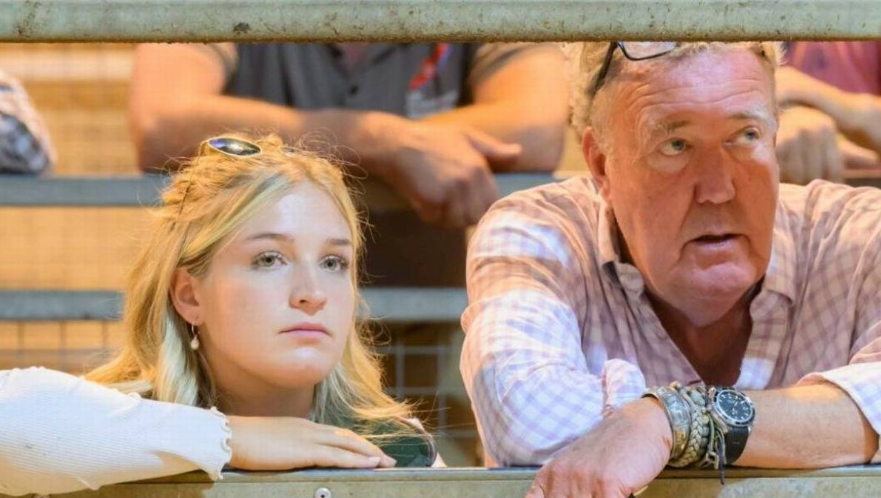
From a programme analysis standpoint, Harriet’s return opens up new narrative possibilities. Her interactions with Jeremy Clarkson, Kaleb Cooper, and Charlie Ireland can serve as mirrors—reflecting how far the farm has come and how much remains unresolved.
Where Clarkson often approaches farming emotionally or instinctively, Harriet represents a steadier, more data-driven mindset. That contrast is not confrontational, but it is revealing. It exposes the gap between intention and outcome, a theme Clarkson’s Farm increasingly explores.
Her presence may also rebalance screen time away from purely reactive moments toward quieter, more reflective segments. Those moments are often where the show is most effective.
Not Nostalgia, but Preparation
It would be a mistake to interpret Harriet Cowan’s return as nostalgia or fan service. From a production perspective, it is preparation. Clarkson’s Farm is no longer proving that farming is difficult—it has already done that. The next challenge is showing what comes after acceptance.
Harriet’s return suggests the show is ready to examine sustainability, long-term planning, and the emotional endurance required to stay in farming. These are not flashy topics, but they are essential ones.
Her involvement reinforces the idea that the farm is no longer an experiment. It is an operation with history, consequences, and a future that must be managed deliberately.
What Viewers Should Watch For
If Harriet Cowan’s return is the signal it appears to be, viewers should expect:
-
More emphasis on planning before problems arise
-
Greater focus on why decisions succeed or fail
-
Fewer manufactured moments, more lived reality
-
A season shaped by reflection as much as action
Her presence suggests the production is confident enough to slow down and let the story breathe.
Conclusion
In Clarkson’s Farm, readiness is rarely announced. It is demonstrated. Harriet Cowan’s return is one of those demonstrations. It signals that the groundwork has been laid, the tone has shifted, and the series is prepared to move into its next phase.
The farm is no longer just learning how to survive. It is learning how to continue. And that is where Harriet Cowan fits in—not as a symbol of the past, but as an indicator that the future season is already taking shape.