Prince William’s Visit to Jeremy Clarkson’s Farm Signals a Strategic Shift Ahead of the New Season
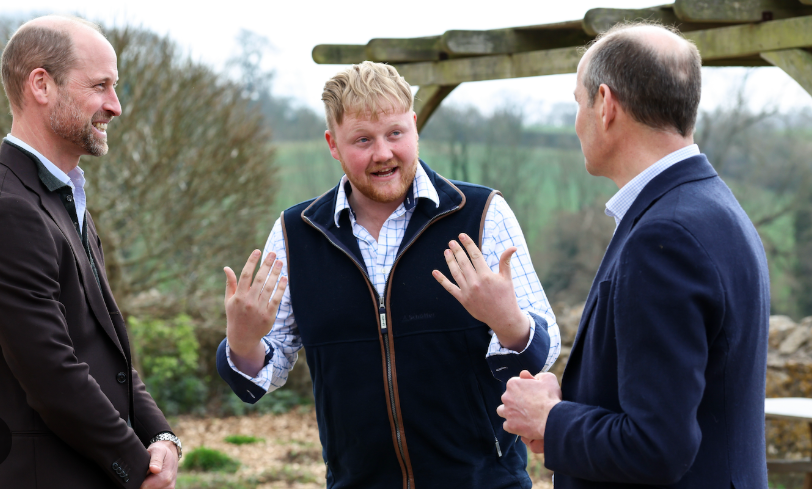
When Prince William was photographed visiting Diddly Squat Farm in the days leading up to the release of the new season of Clarkson’s Farm, it was more than a curiosity for fans. From a programme analysis perspective, the timing, optics, and context of the visit suggest a deliberate convergence of television storytelling, public discourse on farming, and institutional visibility that could meaningfully shape the direction of the upcoming series.
At face value, a royal visit to a working farm is not unusual. Prince William has increasingly positioned himself as an advocate for environmental stewardship, rural sustainability, and modern agricultural practices. However, Diddly Squat is not just any farm. It is a global media platform, fronted by Jeremy Clarkson, whose farming venture has become one of the most influential portrayals of British agriculture in popular culture. The intersection of these two worlds, royalty and reality television, carries narrative weight.
From a production standpoint, the visit appears carefully placed ahead of the new season’s launch. Clarkson’s Farm has always thrived on contrasts: tradition versus modernity, regulation versus improvisation, idealism versus reality. Introducing Prince William into this environment subtly reframes those tensions. Rather than positioning farming as a lone individual’s uphill struggle against bureaucracy, the show may now broaden its lens to explore how institutional support, public engagement, and long-term policy thinking intersect with life on the land.
One likely development is a shift in thematic emphasis. Previous seasons leaned heavily on conflict-driven storytelling: weather setbacks, planning disputes, livestock losses, and regulatory obstacles. While these elements will undoubtedly remain, the presence of Prince William suggests the next season may devote more narrative space to dialogue—about the future of British farming, food security, and how younger generations can be encouraged into the sector. This aligns closely with William’s Earthshot-related messaging and his increasing focus on practical environmental solutions rather than abstract pledges.
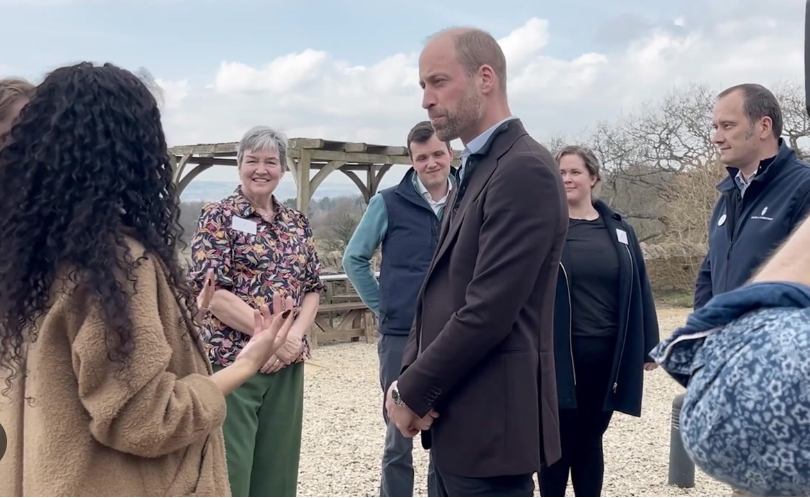
Importantly, this does not mean Clarkson’s Farm will lose its edge. Jeremy Clarkson’s appeal lies in his unfiltered reactions and resistance to idealised portrayals of rural life. If anything, the contrast between Clarkson’s blunt realism and Prince William’s measured diplomacy could become a compelling narrative device. Viewers may see moments where the two perspectives collide—not confrontationally, but philosophically—highlighting the gap between policy ambition and on-the-ground execution.
Another implication concerns public perception. Clarkson’s Farm has already influenced how non-rural audiences understand farming challenges. A royal visit amplifies that effect, potentially reframing the programme from entertainment into a semi-informal forum for national conversation. For Amazon Prime Video, this elevates the series’ cultural value, positioning it as content that resonates beyond comedy or personality-driven television.
There is also a strategic reputational layer. Clarkson has faced criticism in recent years, and Clarkson’s Farm has occasionally been scrutinised for its tone and language. A visit from Prince William functions, intentionally or not, as a form of soft validation—not of Clarkson personally, but of the programme’s core message: that farming is complex, essential, and deserving of public attention. This could help recalibrate how the show is discussed in mainstream media ahead of the new season.
From a structural perspective, viewers should not expect the visit to dominate screen time. Clarkson’s Farm is strongest when it embeds moments organically rather than building episodes around set pieces. The footage will likely appear as part of a broader sequence focused on community engagement or agricultural outreach, reinforcing the idea that Diddly Squat exists within a wider rural ecosystem rather than as a standalone experiment.
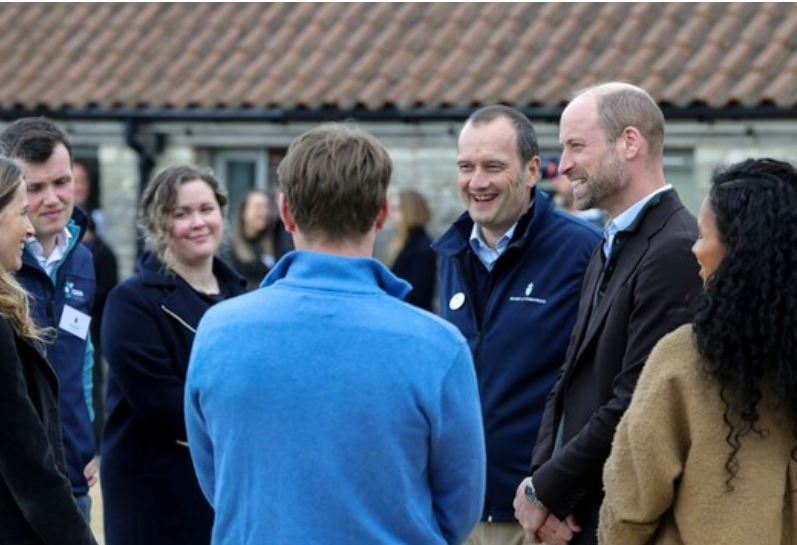
Looking ahead, the visit may also foreshadow new story arcs. These could include increased collaboration with neighbouring farms, deeper examination of regenerative practices, or exploration of how public institutions interact with private landowners. Prince William’s presence opens the door to discussions that previously sat outside the show’s narrative scope.
Ultimately, the significance of the visit lies not in spectacle, but in symbolism. It signals that Clarkson’s Farm has matured from an observational series into a reference point in the national conversation about farming. As the new season approaches, audiences may find that the familiar challenges remain—but the context has widened. The farm is still muddy, unpredictable, and demanding. Yet now, it stands at the intersection of popular media and public responsibility.
If previous seasons asked whether one man could make farming work, the next may quietly ask a larger question: what happens when the country starts paying attention?