Parker Schnabel Strikes Rich Gold Vein in Remote Alaskan Mine Shaft!
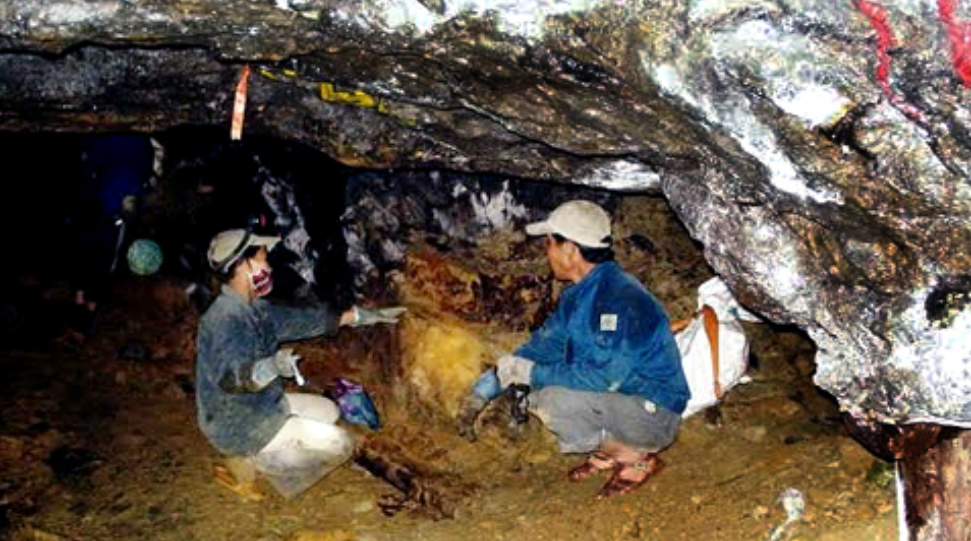
Just over halfway through the season, Parker Schnabel found himself under more pressure than at any point in his career. His operation was bigger, busier, and more complex than ever before. Millions of cubic yards of earth had to be moved on schedule, and any serious delay could undo years of planning. For Parker, this was not simply another mining season. It was a defining moment that would test whether his approach to large-scale gold mining could still deliver results.
Parker’s journey did not begin with sudden wealth. Eight years ago, he arrived in the Yukon with roughly $140,000 and an ambitious plan. Since then, he has extracted close to $60 million worth of gold, building one of the most productive operations featured on Gold Rush. Yet success created a new problem: he was running out of ground. To maintain momentum, Parker needed to find a deposit capable of sustaining his operation well into the future.
Rather than relying on a single push, Parker implemented a bold operational strategy. He divided his crew into two separate teams, each with a very different purpose. Industry veterans questioned the decision, noting that it doubled costs and increased risk. But Parker believed that spreading effort across timelines was the only way forward.
The first group, known as the Wolf Cut crew, was assigned to long-term development. Their task was physically demanding and offered no immediate reward. They dug deep into frozen ground, cutting more than 30 feet down through permafrost. For weeks, they found little to justify the effort. Morale dropped, fuel costs rose, and equipment wear mounted. To many observers, it looked like an expensive miscalculation.
At the same time, the Drift Cut crew carried the responsibility of keeping the entire operation running. Led by trusted foremen, they focused on quick returns, searching for gold that could cover daily expenses and keep machines operating. Every cleanup mattered. A poor result could have placed the whole season in jeopardy.
This dual approach placed immense strain on Parker’s resources. Heavy equipment burned through fuel at alarming rates, and maintenance demands multiplied. One failed system could have brought everything to a halt. Yet Parker held his course, convinced that patience would eventually pay off.
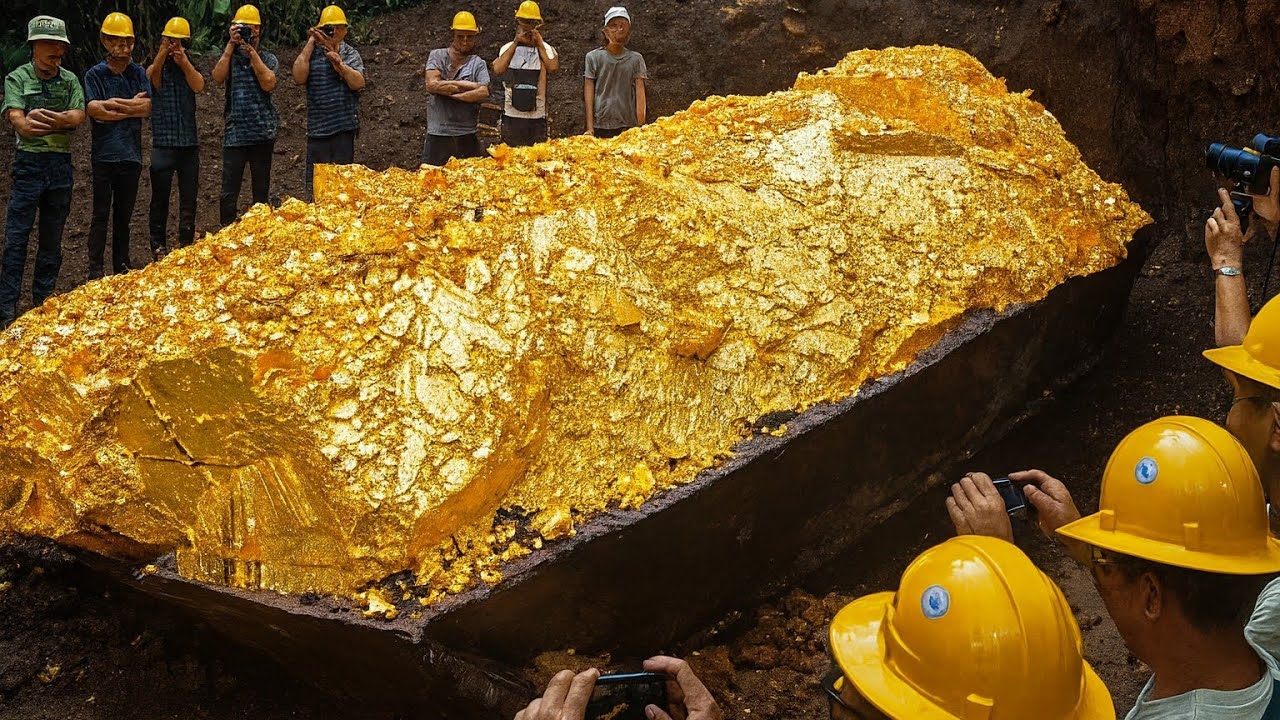
That moment arrived when the Wolf Cut crew finally broke through. Their sluice box revealed not scattered flakes, but a steady flow of Klondike gold. The deposit proved to be a rich pay streak, capable of supporting production for years. Almost simultaneously, the Drift Cut crew uncovered its own productive zone, ensuring immediate financial stability. The plan that once seemed excessive had delivered both present income and future security.
With gold coming from two locations, Parker faced another challenge. His existing wash plants could not handle the volume. Breakdowns became frequent, and fine gold losses increased. To keep pace, he committed to a major equipment upgrade: a modern wash plant known as “Mighty Big Red.” The investment ran into the millions and required nonstop work to assemble. During construction, gold production slowed, adding further pressure.
As production resumed, attention followed. In the tight-knit Klondike mining community, news travels quickly. Parker restricted access to his site, sealing roads to prevent disruption. While practical, the move intensified speculation about the scale of his discovery.
Technical issues soon tested the new system. An internal screen tore, allowing oversized rocks to clog the plant and force an emergency shutdown. Repairs were difficult and hazardous, underscoring how narrow the margin for error remained. Once fixed, however, results were immediate. A cleanup produced over 50 ounces of gold, valued at roughly $90,000. It was only the beginning.
Soon after, Parker’s other plant delivered a result rarely seen in modern placer mining: more than 360 ounces in a single cleanup, worth close to $600,000. On another day, the operation processed enough pay dirt to yield over 250 ounces, exceeding $800,000 at current prices. These numbers reflected not chance, but the exploitation of an ancient riverbed where gold had settled over thousands of years.
Parker rewarded his crew with bonuses paid in raw gold, a gesture that connected their labour directly to the outcome. Behind the scenes, geological understanding played a central role. The deposit was not random. It was a concentrated pay streak formed by historic water movement, a structure that experienced miners spend entire careers searching for.
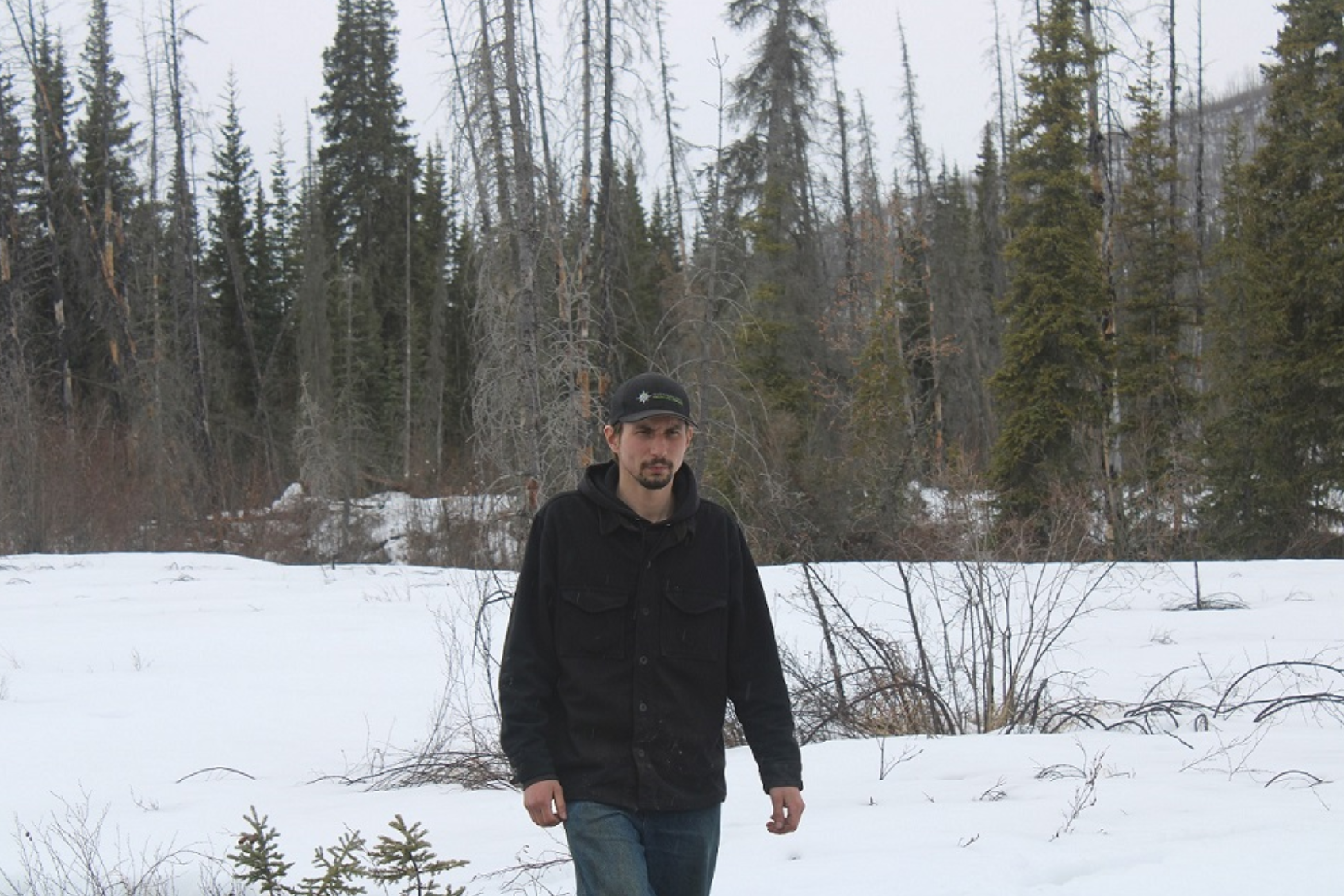
As the gold accumulated, questions emerged beyond the mine. Some viewers wondered whether such results could be exaggerated for television. Industry experts largely dismiss that notion, pointing to the logistical and regulatory realities of mining. Large-scale operations are closely monitored, and fabricating results of this magnitude would be impractical and risky.
What the cameras cannot fully capture is the scale of effort involved. For every ounce recovered, vast quantities of barren earth must be moved, processed, and discarded. The achievement lies not just in the gold totals, but in the discipline required to endure long stretches of uncertainty.
Parker Schnabel’s season stands as a case study in calculated decision-making. He combined geological insight, operational planning, and persistence to unlock one of the richest phases of his career. Whether this level of success can be repeated remains uncertain, but one conclusion is clear: the gold did not come easily, and it was earned long before it reached the scales.