A Narrow Escape at the Money Pit: Rick Lagina had a serious accident at the money pit, an accident that nearly cost him his life.
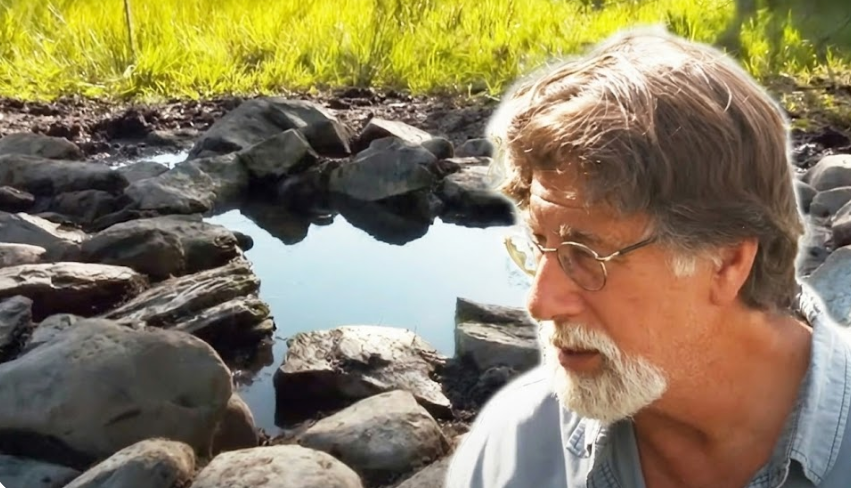
From the standpoint of a long-time analyst of The Curse of Oak Island, any serious incident at the Money Pit carries significance far beyond a single moment on screen. Reports that Rick Lagina was involved in a severe, life-threatening accident during operations at the Money Pit immediately shift the narrative of Season 13 from discovery to consequence—and force a reassessment of how the hunt may proceed from here.
The Money Pit has always been the island’s most unforgiving zone. It is where ambition, water, depth, and engineering collide. Over the years, the team has taken increasingly sophisticated measures to mitigate risk, relying on modern drilling, monitoring, and safety protocols. Even so, the pit remains a dynamic environment. Ground conditions change rapidly; voids appear and disappear; water behaves in ways that challenge prediction. An incident involving Rick Lagina underscores a reality analysts have long acknowledged: no amount of planning can fully tame this site.
Rick’s role at Oak Island has never been symbolic. While Marty Lagina often frames decisions through cost, feasibility, and long-term strategy, Rick is the philosophical engine of the project—the one most visibly driven by belief in the island’s purpose. When an accident threatens the person who embodies that belief, the emotional centre of the operation is shaken. This is not simply a production setback; it is a human inflection point.
Historically, moments like this tend to reshape behaviour on the island. After earlier near-misses and structural failures in past seasons, the team pivoted away from aggressive, open-ended digging and toward controlled, data-driven exploration. If this latest incident occurred during Money Pit activity—as reported—it is reasonable to expect a similar recalibration. Analysts should watch for an immediate tightening of protocols, slower operational pacing, and a renewed emphasis on remote sensing over physical exposure.
There is also a narrative dimension to consider. The Curse of Oak Island has gradually evolved from a treasure hunt into a documentary about process, persistence, and restraint. A serious accident involving Rick Lagina accelerates that evolution. The show is likely to frame upcoming episodes around reflection and responsibility rather than momentum alone. In practical terms, this could mean fewer dramatic descents and more screen time devoted to analysis rooms, mapping sessions, and expert consultations.
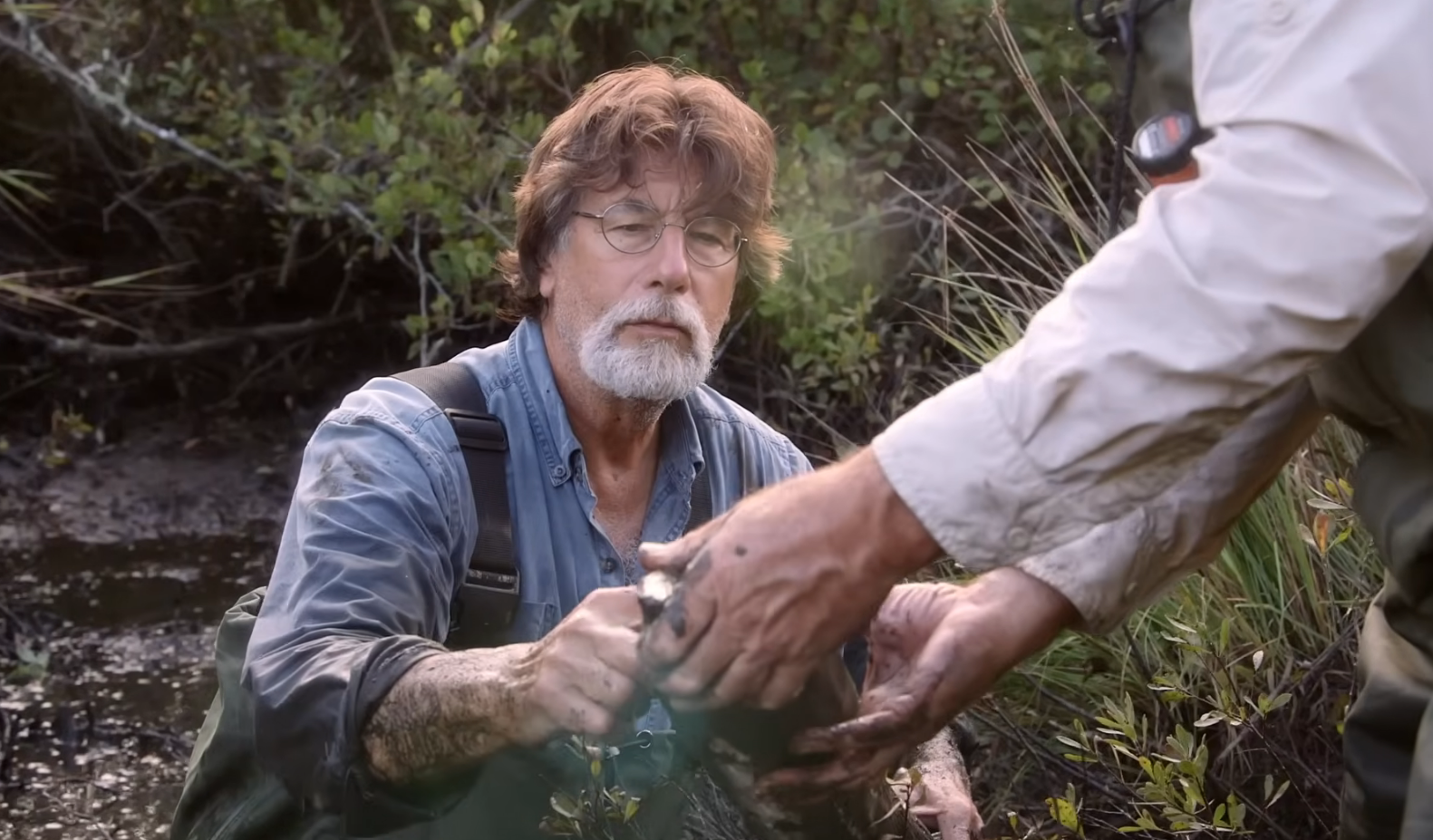
From a strategic standpoint, the incident may hasten a shift already underway: deprioritising the Money Pit as the sole focal point. Season 13 has repeatedly highlighted Lot 5, solution channels, and geometric alignments across the island. Analysts have noted that these elements suggest Oak Island functions as an integrated system rather than a single target. A near-fatal event at the pit strengthens the argument for treating it as one component of a larger design—important, but not worth uncompromising risk.
Looking ahead, several developments appear likely.
First, Rick Lagina’s on-screen presence may change in tone, if not in frequency. Following a serious accident, leaders often become more vocal advocates for caution. Rick’s language—already reflective—may turn more deliberate, emphasising legacy and meaning over immediacy. This would align with the show’s broader arc, which increasingly asks why something was built, not just what it hides.
Second, Marty Lagina’s influence over operational decisions is likely to grow. Marty has consistently argued for sustainable progress and measurable returns—financial, historical, or scientific. An incident that nearly costs his brother’s life would inevitably reinforce his risk thresholds. Viewers may notice a firmer hand on budgeting, timelines, and go/no-go calls, especially at extreme depths.
Third, the role of science will almost certainly expand. Expect more reliance on muon tomography, advanced seismic tools, and metallurgical sampling rather than direct access. The show has already laid groundwork here; the accident provides a compelling reason to accelerate that transition. In analytical terms, this could produce slower episodes—but potentially more meaningful conclusions.

Finally, there is the question of endgame. Analysts have long debated whether The Curse of Oak Island is moving toward resolution or transformation. A life-threatening incident involving Rick Lagina does not signal an ending—but it may mark the beginning of a more cautious final phase. Not a rush to reveal a treasure, but a controlled effort to document, preserve, and understand the island without further jeopardy.
In the end, Oak Island has always tested the balance between curiosity and restraint. This incident brings that balance into sharp focus. For viewers, the story now extends beyond shafts and artifacts to include the cost of pursuit itself. For the team, it may redefine success—not as reaching a certain depth, but as ensuring that everyone who seeks the island’s answers remains safe enough to keep asking the questions.
As an analyst, the conclusion is clear: the accident at the Money Pit is not merely a setback. It is a turning point—one that could reshape both the strategy of the search and the legacy of the series itself.