A new chapter in the swamp: Oak Island research team discovers further evidence of an ancient treasure.
Oak Island’s enigmatic swamp has long been a battleground between believers and sceptics, a place where theories flourish but verifiable answers have remained elusive. Yet the latest developments on Season 13 of The Curse of Oak Island suggest that the swamp may now hold some of the most compelling evidence ever uncovered in the 225-year search for the island’s elusive treasure. What began as a routine inspection of previously unearthed features has quickly evolved into a sequence of discoveries that challenge long-standing assumptions about the island’s past—and hint at a level of engineering far more sophisticated than previously imagined.
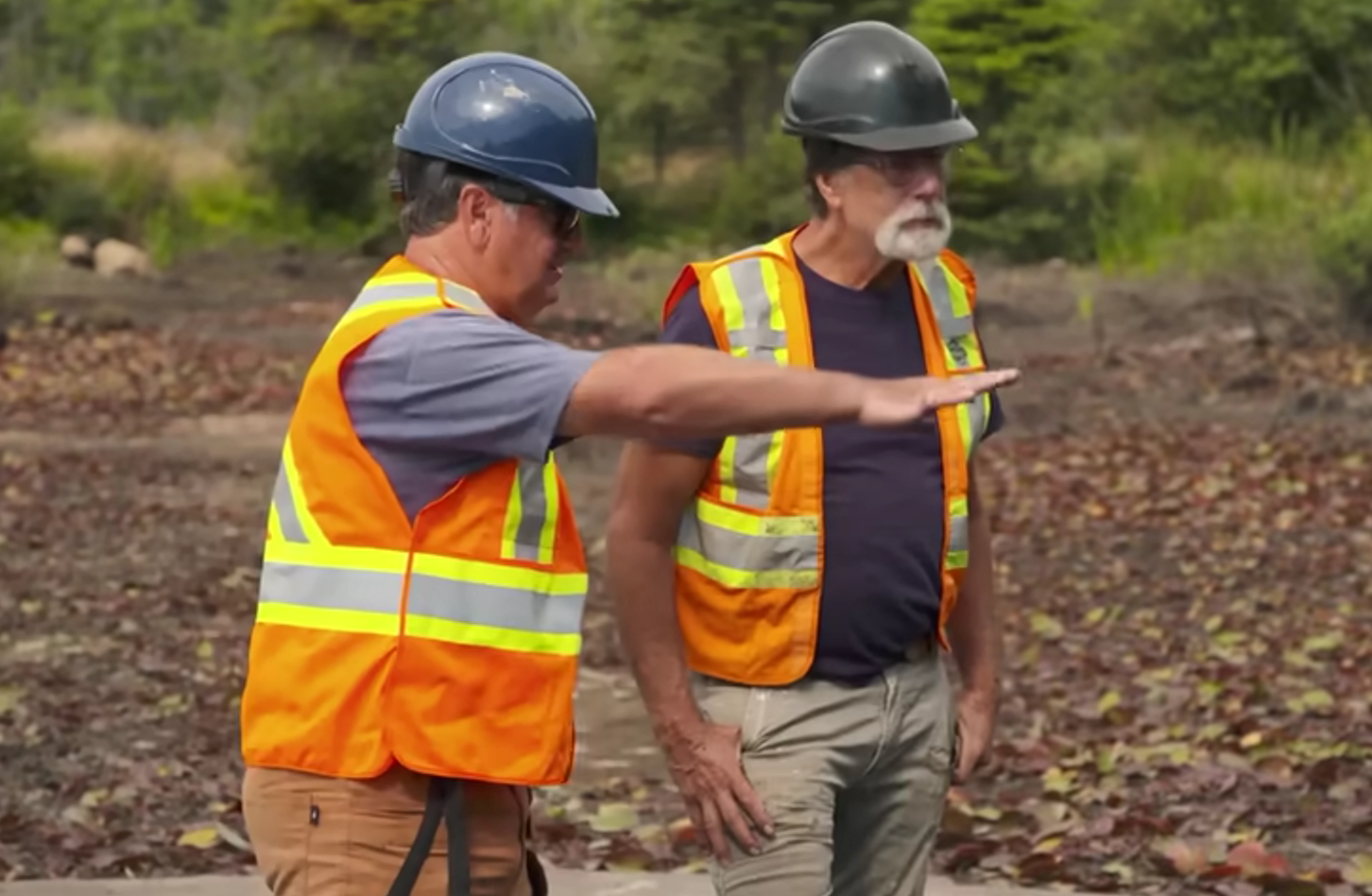
During a recent excavation, the team—led by Rick and Marty Lagina, alongside archaeologists and metal-detecting experts—returned to the southeast corner of the swamp to continue work on the massive stone road revealed in previous seasons. This structure, believed by some to be up to 500 years old, has long fascinated researchers for its deliberate construction, size, and enigmatic alignment toward the Money Pit. But the real breakthrough came when workers exposed a cultural layer of peat sitting just above the road. The team’s excavators cut through centuries of accumulated sediment, and with every scoop, according to one worker, “we’re going back another hundred years in time.”
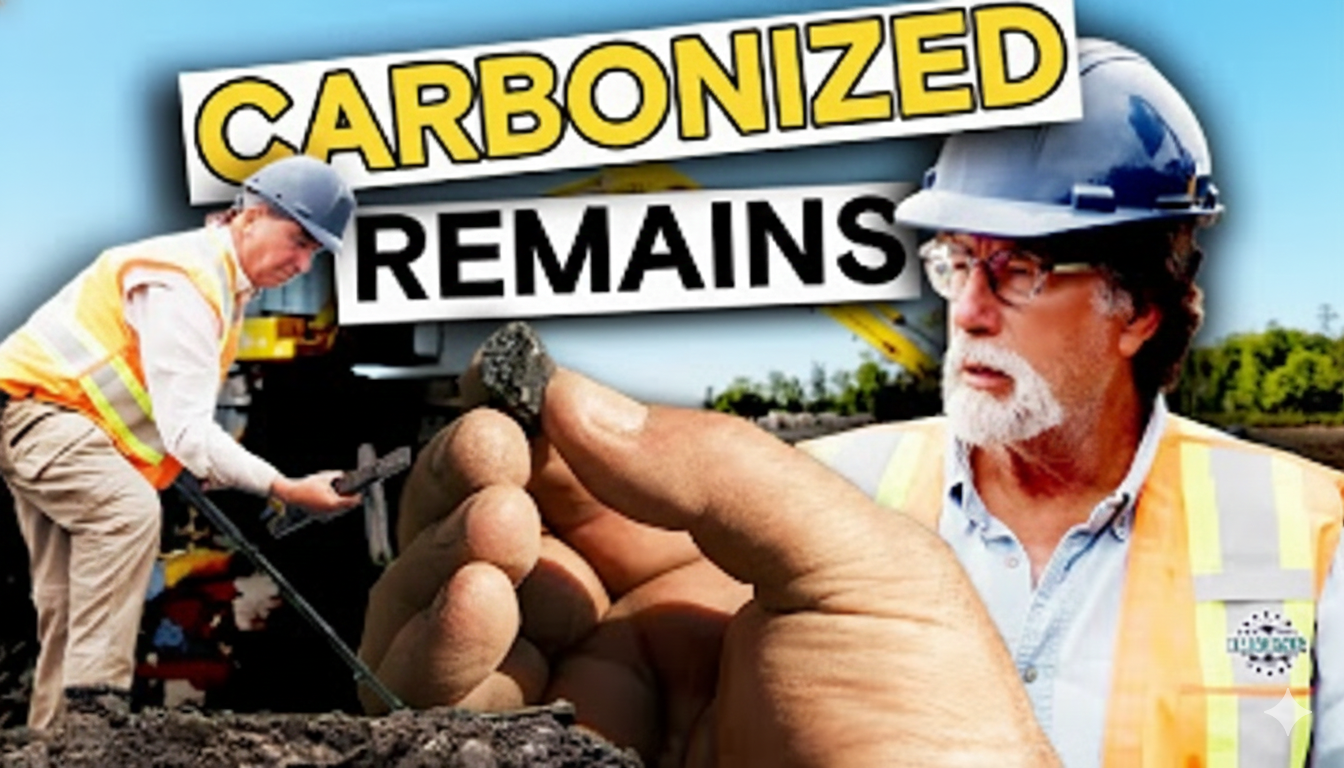
The first major clue emerged when the team uncovered fragments of coal—material that should not naturally exist in an environment like Oak Island’s swamp. Coal was rarely used prior to the mid-19th century and has no geological origin on the island. Its presence deep within the cultural layer immediately suggested purposeful activity. “It gives us an indication of time and purpose,” one team member noted. Coal found in similar layers on the stone road last season was linked to theories involving ship repair, burning, or industrial activity by early depositors.
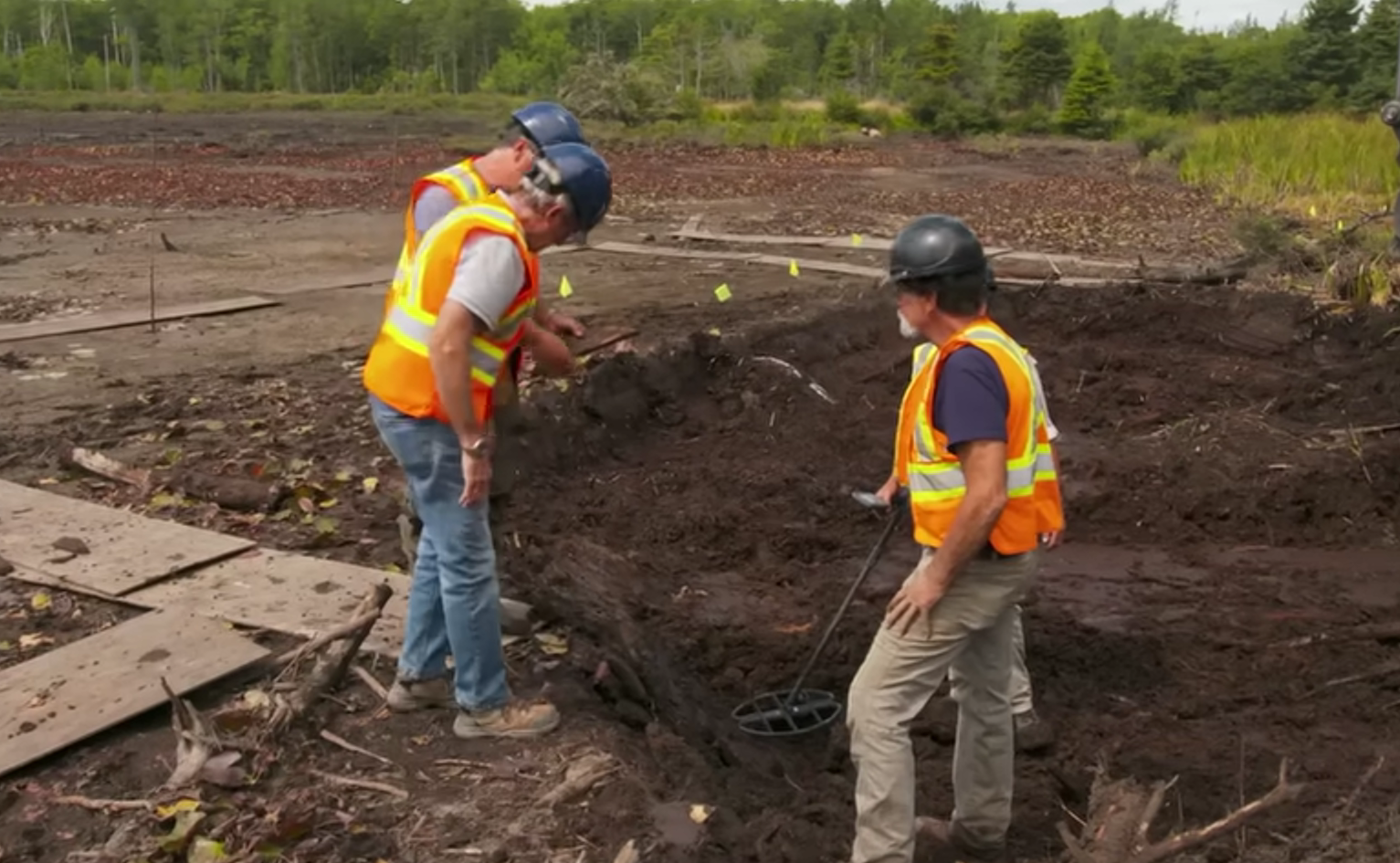
The discovery prompted metal-detecting expert Gary Drayton to sweep the newly exposed layer. Within moments, he located a remarkable object: the top of a wooden keg. Its state of preservation and placement directly above the road thrilled the team. Historically, wooden cargo barrels were used globally for transporting everything from gunpowder to gold coins. Similar barrel components were recovered in the Money Pit collapse of 1861. This latest find raises the possibility that the stone pathway may once have served as part of a sophisticated offloading system for heavy cargo—material that may have included treasure.
But the discoveries did not end there. Further detecting produced multiple additional pieces of wooden staves, each displaying curvature and tool marks indicative of hand-crafted barrels. Archaeologist Aaron Taylor, examining the finds, stated that these artifacts sit precisely within the zone expected for cultural activity. Their placement suggests they were deposited contemporaneously with the construction and use of the stone road.
As the team continued peeling back layers, they exposed yet another critical feature: a second layer of stones and a system of wooden cribbing beneath the visible road surface. These findings indicate the road was structurally engineered rather than crudely assembled. The presence of fitted timbers shocked the archaeologists on site. “Feel how firm that is,” Rick urged, as they examined the underside. “Somebody put that road in for a specific reason, and I think they wanted it to not be found after they were done.”
The implications are profound. The complexity of the structure suggests not only a substantial logistical operation but also a deliberate attempt to conceal it. Whether the cribbing supported a wharf, a slipway, or a transportation lane for heavy objects remains unresolved, but the scale of the work is undeniably impressive.
Nearby, the team examined another extraordinary find—an iron chain and hook previously retrieved near the southern edge of the road. Blacksmithing expert Carmen Legge had earlier dated the artifact to the 16th century. Such a device could have served as a lifting or hauling mechanism, consistent with moving crates or barrels from a shoreline onto the island’s interior. Its proximity to the stone road strengthens theories that the swamp once housed an operational harbour, with the road serving as a route toward the Money Pit region.
The digging soon revealed additional wooden fragments, including a hand-shaped piece believed to be part of a tool handle. This too may hold vital clues. Scientific analysis could determine whether the wood species and tool style match European, colonial, or indigenous origins. Each sample is now being catalogued for laboratory evaluation.
As heavy equipment expanded the search perimeter, a line of large stones began to appear, forming what could be a retaining wall or boundary structure parallel to the existing road. The alignment captivated Marty Lagina, who admitted that he had long underestimated the swamp’s significance. “I thought there was nothing here,” he said. “And there’s a lot.”
For Rick Lagina, the findings reinforce his belief that the swamp is central to the Oak Island mystery. “Some good stuff in there, I’m sure,” he remarked. “If this road leads somewhere, it could lead us directly to what we’ve been seeking for years.”
As excavation continues, the team remains cautiously optimistic. Every artifact, every wooden beam, every stone appears to reinforce the notion that the swamp was once a bustling zone of human activity—engineered, purposeful, and tied to the same depositors responsible for the Money Pit. For viewers and historians alike, one thing is becoming clear: the swamp is no longer a side story. It may be the heart of the entire Oak Island enigma.