Ancient Weapon Fragment Found in Oak Island Swamp Raises Major Questions About Early Visitors
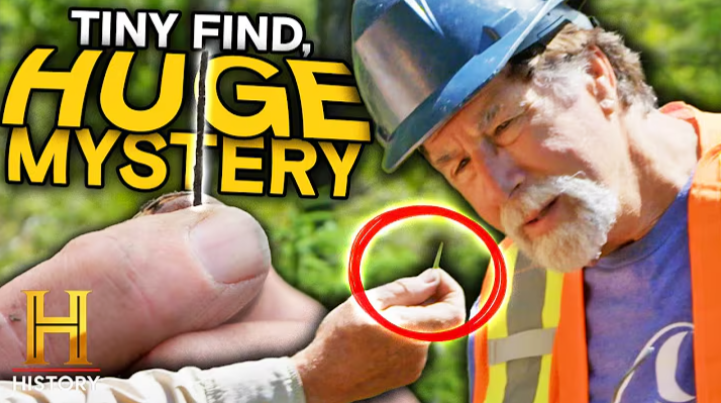
For more than a decade, The Curse of Oak Island has taken viewers deep into the mud, mysteries, and theories surrounding one of North America’s most enduring enigmas. But the swamp—long considered one of the island’s most controversial locations—may now be delivering the most compelling clues yet. A newly analyzed artifact, pulled from just yards away from an 800-year-old stone feature, has sparked fresh questions about who reached Oak Island long before modern history ever recorded it.
Earlier this week, Rick Lagina joined archaeologist Laird Niven and researcher Emma Culligan inside the Oak Island interpretive lab. His enthusiasm was unmistakable.
“I’m always happy to be back in the lab,” he said, “but I’m particularly invested in this one. Billy, Gary and I found it—and we found it in one of my favorite places: the swamp.”
And what they found may rewrite what the team thought possible.
A Weapon From Centuries Past?
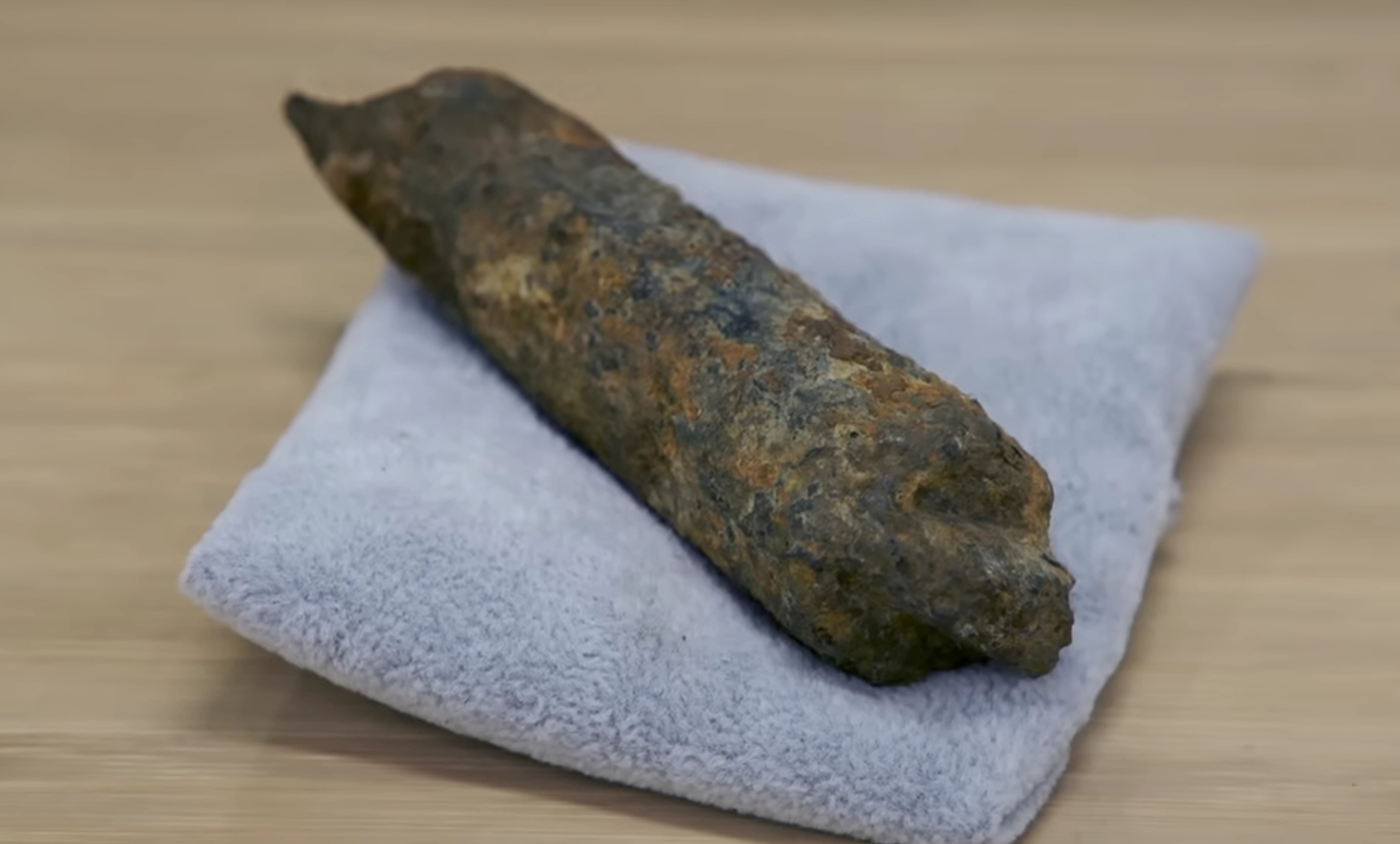
The object in question first appeared unremarkable when pulled from the bog: a heavily corroded chunk of metal caked in minerals. But as it dried, its tapered shape and density suggested something far more intriguing.
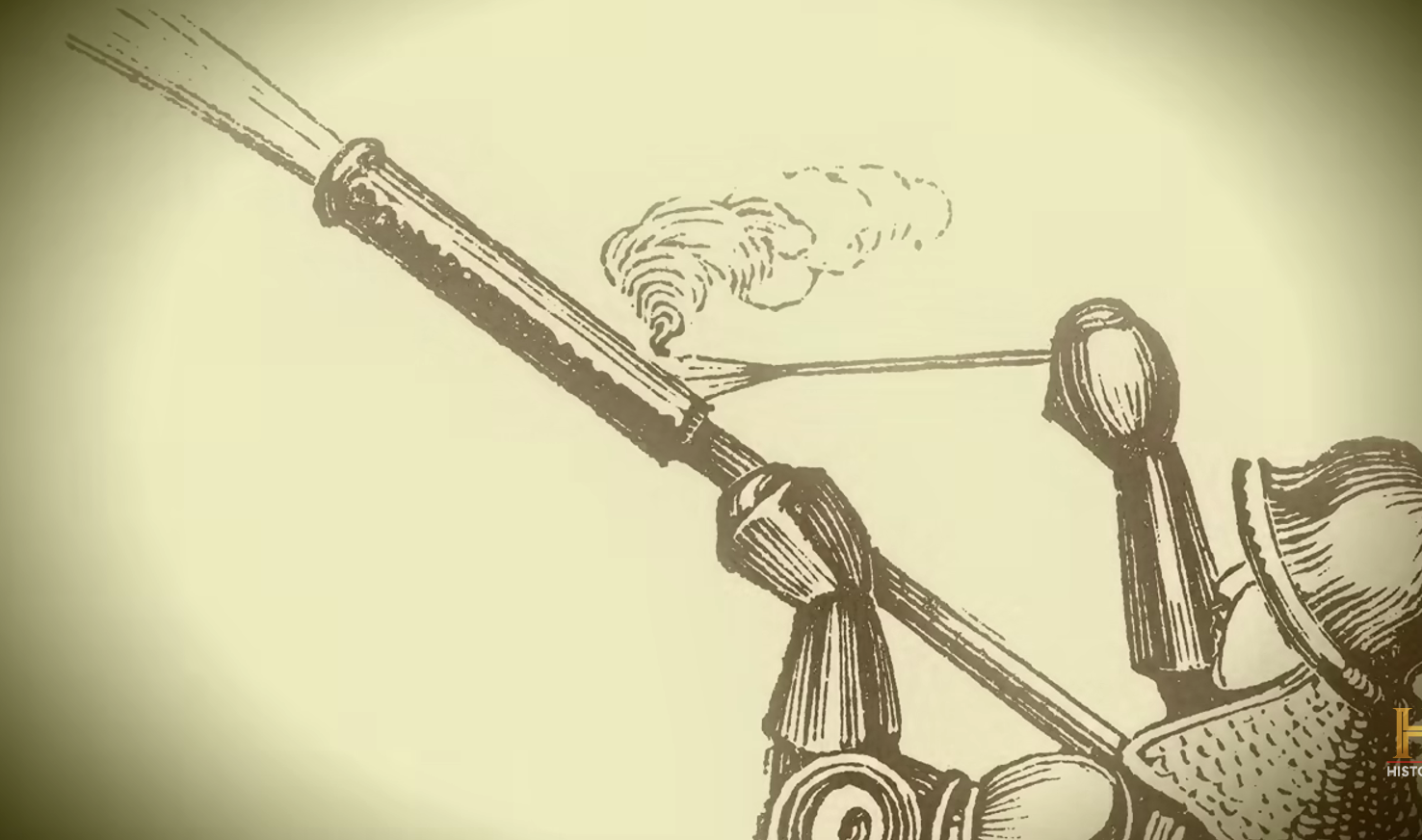
Presented initially as a possible hand cannon, Emma and Laird began their analysis. Hand cannons, also known as hand gonnes, are the earliest true firearms on record—appearing in China as early as the 12th century and spreading to the Middle East and Europe by the 14th century. By the 1500s, the technology was already slipping into obsolescence.
If the Oak Island find is truly a hand cannon fragment, it predates the discovery of the Money Pit by more than 250 years.
Emma’s metallurgical assessment added weight to the theory.
“It’s hard to get a clean reading from swamp iron because the minerals fuse with the corrosion,” she explained. “But what I’m seeing is surprisingly clean—without the impurities you’d expect from modern forging. The high sulfur content suggests 1700s or earlier. Possibly European.”
Laird confirmed the dating challenges but agreed the composition was notably old.
“These were going out of fashion by the 1500s,” he said, raising an eyebrow. “If this truly is what it looks like, it’s very old.”
The breakthrough moment came with the CT scan.
A distinct touch hole—the ignition point used to fire hand cannons—was clearly visible.
“That is really cool,” Rick remarked as the internal image rotated across the screen.
Gary Drayton, often the first to recognize historic weapons, couldn’t contain himself:
“It bloody well is!”
The find is, in short, one of the most unusual artifacts ever recovered from the swamp.
Digging Deeper Into the Bog
With excitement high, Gary, Billy, and Derek returned to the western swamp in hopes of finding supporting evidence. Their detector quickly began to respond.
First came small surface nails. Then, a deeper, heavier signal.
“This has a chance of being older,” Gary said, kneeling beside the pit. Moments later, Billy pried out a dense iron object with sharp edges and deliberate shaping.
“That’s a something,” Gary observed. “It was made with purpose.”
The artifact wasn’t slag, nor a random fragment. Whether structural or symbolic, its weight and form suggested age—and possible connection to the earlier weapon piece.
More signals followed: a tiny but fully preserved iron needle, and another heavy, curved object Gary suspected might be the end of a large iron buckle—possibly from a chest or cargo container.
Marty Lagina arrived just in time to see the growing assortment.
“You’ve got to be kidding,” he said, examining the needle. “You just don’t miss anything.”
The buckle fragment especially intrigued him.
“That’d be a big buckle,” he noted. “Something meant for strong reinforcement.”
The narrator then posed the obvious question:
Could this have once been attached to a large chest? And if so, what was inside that chest?
With the nearby corduroy road—a man-made pathway built with logs—running through the swamp, the possibility that heavy cargo was transported through this area is once again back in play.
The Swamp: From Theory to Evidence
For years, the swamp has divided the team. Some believed it held the key to the island’s secrets; others saw it as a distraction. Marty himself has long been a skeptic.
“I’ve always said one of the best ways to hide something would be to flood it,” he admitted. “Flooding it in a swamp-like condition would leave absolutely no trace.”
And yet, with each passing season, the swamp continues producing artifacts that force even the skeptics to reconsider.
Now, with a potential hand cannon fragment dated centuries earlier than the Money Pit, the stakes have shifted yet again.
Rick, energized by the find, made the team’s next step clear:
“We’re nowhere near done. We need to learn what else is in there.”
Gary grinned as he lifted his detecting gear.
“Leave no stone unturned.”
What Comes Next
The hand cannon fragment will now be forwarded to weapons specialists for more advanced identification. If confirmed, the implications are profound:
– Europeans may have reached Oak Island far earlier than documented.
– Military technology may have been carried into the swamp for protection or concealment.
– The paved stone feature discovered in 2019—believed to be up to 800 years old—could be part of a much older network of activity.
And as Gary reminded the team:
“This is good… but find some more.”
With fresh artifacts coming out of the bog almost daily, Oak Island’s most mysterious location may finally be giving up its secrets.