Behind the Scenes on Oak Island: Marty Lagina Addresses Alex Lagina’s Challenging Moment
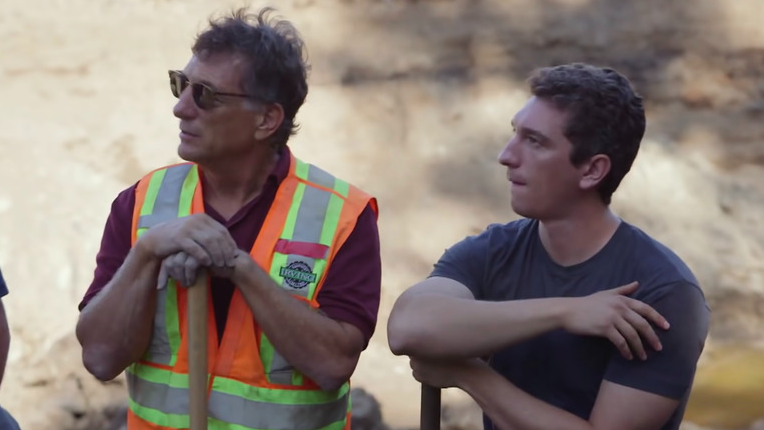
From the perspective of a long-time Gold Rush analyst, it is easy to forget that the world of reality television mining and treasure hunting carries risks that extend far beyond ratings, production targets, or seasonal story arcs. The recent comments from Marty Lagina, following a serious site accident involving his son Alex Lagina, serve as a sobering reminder that beneath the mystery, machinery, and momentum of The Curse of Oak Island, there is a real industrial operation with real consequences.
Marty’s brief but emotionally loaded statement — describing Alex simply as “a fighter” — resonated deeply with fans. It was not a dramatic declaration, nor a polished television moment. Instead, it reflected the mindset of someone who understands risk, resilience, and responsibility at a level few viewers ever fully see.
A Different Kind of Risk Than Gold Mining
From an analytical standpoint, what makes this incident particularly notable is how different Oak Island’s risks are compared to those typically seen on Gold Rush. In gold mining, danger is expected and openly acknowledged: heavy equipment failures, ground instability, and weather extremes are part of daily operations. On Oak Island, however, risk is often underestimated by viewers because the focus is placed on history, archaeology, and theory rather than industrial hazards.
Yet the reality is that Oak Island is a confined, aging, and unpredictable work environment. Subsurface voids, unstable ground, old structures, and water intrusion create conditions that can change rapidly. Alex Lagina has increasingly taken on hands-on responsibilities in these high-risk zones, bridging the gap between research coordination and physical fieldwork. From a production analysis perspective, that evolution has made him one of the most exposed members of the team.
Marty Lagina’s Silence — and Why It Matters
Marty Lagina is not known for emotional transparency on camera. His public persona is methodical, analytical, and grounded in engineering logic. That makes his decision to speak, even briefly, especially significant. By choosing the phrase “he’s a fighter,” Marty communicated several things at once: confidence in Alex’s resilience, respect for the seriousness of the situation, and a clear boundary between what is shared publicly and what remains private.
For analysts familiar with how unscripted television operates, this moment stands out. The show did not immediately turn the incident into a focal storyline. There was no prolonged on-screen commentary, no speculative narration, and no attempt to frame the situation for heightened effect. That restraint suggests a conscious decision by both the Lagina family and production to prioritize safety and recovery over narrative momentum.
Alex Lagina’s Role Has Changed the Stakes
Over the past several seasons, Alex Lagina’s role has shifted dramatically. He is no longer simply the next generation learning the ropes. He has become an operational decision-maker, often present at critical digs, drilling sites, and exploratory zones. That increased responsibility also increases exposure to risk.
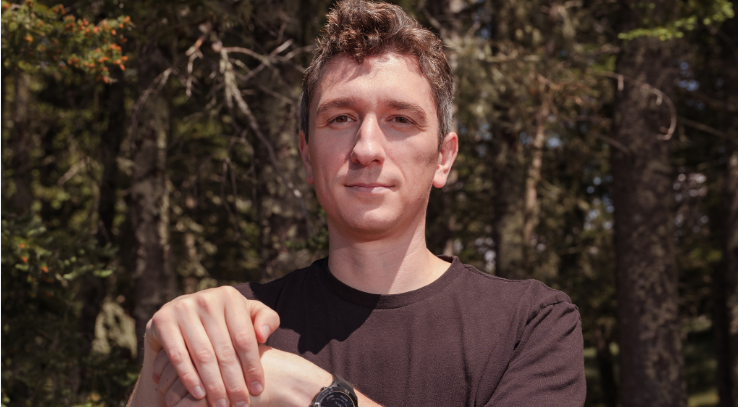
From a show-analysis standpoint, Alex represents continuity — the long-term future of the Oak Island project. His presence signals that this is not just a television venture but a multi-decade pursuit with generational implications. An accident involving Alex therefore carries weight far beyond a single episode. It raises questions about sustainability, safety protocols, and how much physical risk is acceptable in the pursuit of answers that may never fully materialize.
How This Moment May Shape the Season
Looking ahead, this incident is likely to influence the tone and pacing of the season in subtle but important ways. Analysts should not expect sweeping changes or overt acknowledgments in every episode. Instead, the impact will likely appear in operational decisions: more cautious excavation timelines, increased reliance on remote sensing, and tighter controls around high-risk zones.
Marty Lagina’s engineering background suggests that any serious incident will result in reassessment. On Gold Rush, similar moments often lead to strategic pivots — switching ground, slowing production, or reallocating manpower. Oak Island may follow a comparable pattern, with safety-driven decisions shaping where and how the team proceeds next.
A Human Reminder Behind the Mystery
For viewers, this moment reframes how Oak Island is perceived. It is easy to view the show purely as a puzzle — stones, symbols, maps, and theories layered across centuries. Alex Lagina’s accident brings the focus back to the human element: people working in challenging conditions, driven by curiosity, legacy, and belief rather than guaranteed outcomes.
Marty’s words did not promise quick recovery or minimize the situation. Calling Alex “a fighter” acknowledged struggle without detailing it, strength without exaggeration. From an analyst’s perspective, that balance reinforces the credibility of the Lagina family in an era when authenticity is increasingly questioned in reality television.
Conclusion: More Than Just a Television Moment
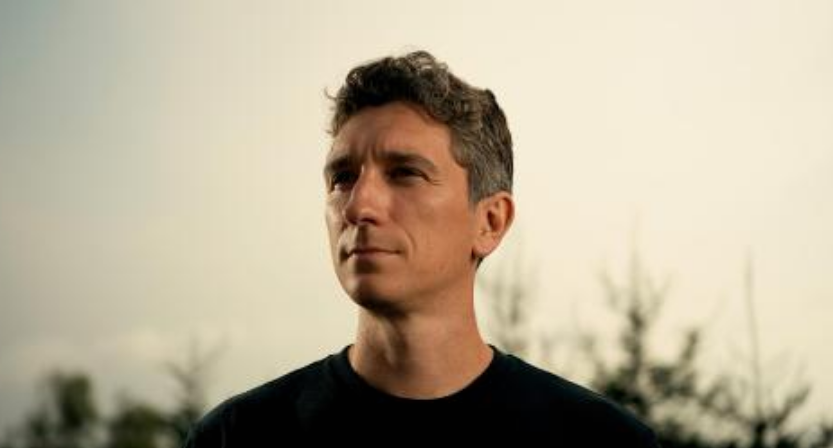
In the broader context of unscripted history and mining-based programming, this incident stands as a reminder that the risks faced by teams like the Laginas are not abstract. They are physical, immediate, and sometimes deeply personal. Marty Lagina breaking his silence was not about advancing a storyline — it was about grounding the audience in reality.
As Oak Island continues, viewers may watch future episodes with a different lens. Every excavation, every descent, every decision to push forward now carries added weight. Not because of mystery alone, but because of the people standing in its path — including a son described, simply and powerfully, as a fighter.