BENEATH THE BEDROCK: 2025 SCAN REVEALS GEOMETRIC ANOMALY 100 FEET DOWN
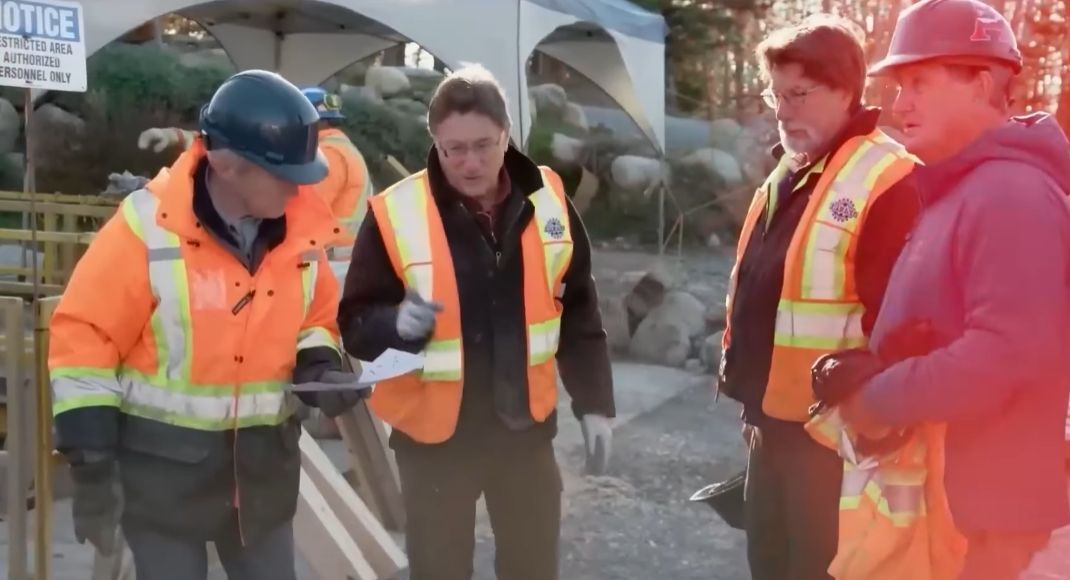
For over two centuries, the search for the Oak Island mystery has been defined by mud, hope, and heartbreak. But as the 2025 season unfolds, the “fellowship of the dig” has encountered a discovery that has effectively silenced the island’s critics. Utilizing the most advanced subsurface mapping technology to date, Rick and Marty Lagina have confirmed the presence of a massive, geometric structure buried deep within the island’s glacial till—a find that experts estimate could be valued between $300 million and $500 million.
Geometry of the Impossible
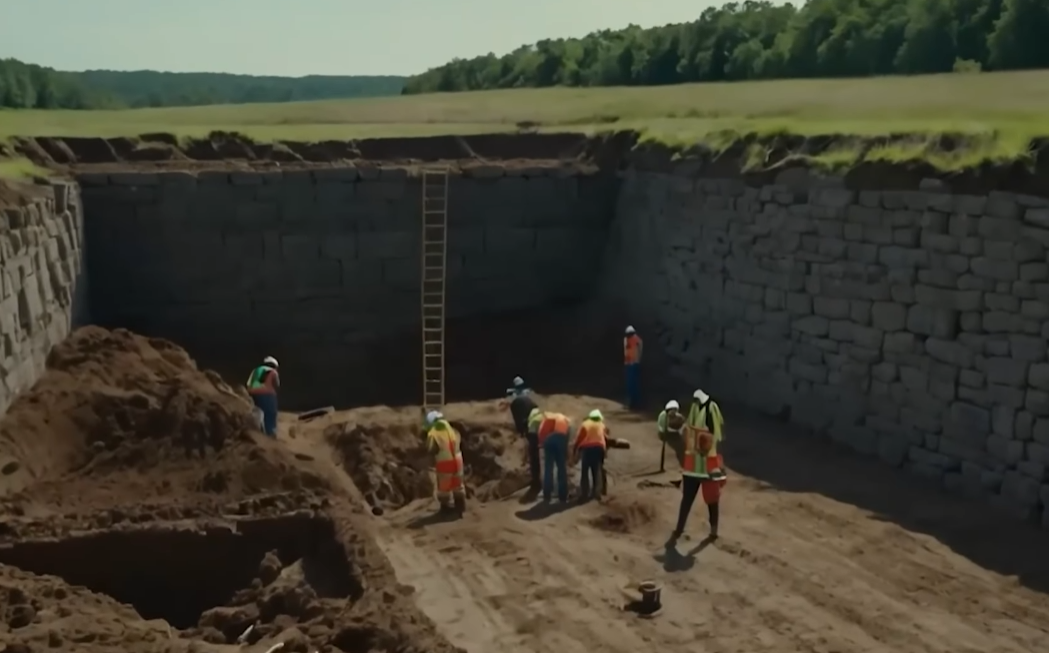
The discovery was not a fluke of luck, but the result of rigorous data analysis. Ground-penetrating radar (GPR) and 3D density mapping have rendered a structure approximately 90 to 110 feet below the surface. Unlike the random clusters of stone or collapsed timber found in previous years, this feature displays “straight lines, sharp corners, and a uniform pattern”—traits that geologists insist nature cannot replicate on its own.
Perhaps more shocking are the density readings. The anomaly registered a density 7 to 9 times higher than the surrounding soil, suggesting a solid, man-made complex constructed of stone, metal, or heavily reinforced oak.
“This data is different,” Rick Lagina noted, his usual excitement replaced by a somber, heavy silence. The atmosphere on the island has shifted from a lighthearted hunt to a high-stakes archaeological investigation.
A Masterpiece of Ancient Engineering
The sheer scale of the structure indicates it is not a mere tunnel, but a connected system—possibly a central vault linked to entry chambers. Building at such depths in the pre-industrial era would have required immense manpower, planning, and a profound reason for secrecy.
The discovery has reignited theories regarding the Knights Templar and other secret European societies. If a direct link is proven, it would not only settle the Oak Island mystery but force a total rewrite of North American history, proving a sophisticated European presence long before officially recorded dates.
[Image: A high-resolution density scan showing a rectangular structure with clear, rigid borders beneath the Oak Island surface.]
The Shadow of the Flood Tunnels
Despite the potential for a history-altering payday, the mood among the crew remains tense. The scan also detected traces of the island’s legendary “booby traps”—the flood tunnels. These ingenious water traps, designed to submerge the site the moment a searcher gets too close, remain the greatest threat to the operation.
Marty Lagina, the practical engine of the expedition, expressed grave concerns regarding the risk-versus-reward ratio. “Every extra foot of drilling here can cost millions,” Marty warned. “One wrong step and everything—the equipment, the history, and potentially lives—could be submerged.”
The Ultimate Crossroads
The fellowship now stands at a perilous crossroads. They face three distinct options:
-
Drilling: A fast but “blind” approach that could accidentally trigger a catastrophic flood.
-
Direct Entry: A high-cost, high-risk excavation that offers more control but faces unstable soil and water pressure.
-
Strategic Waiting: Continuing to model the data to ensure the first physical contact is the right one.
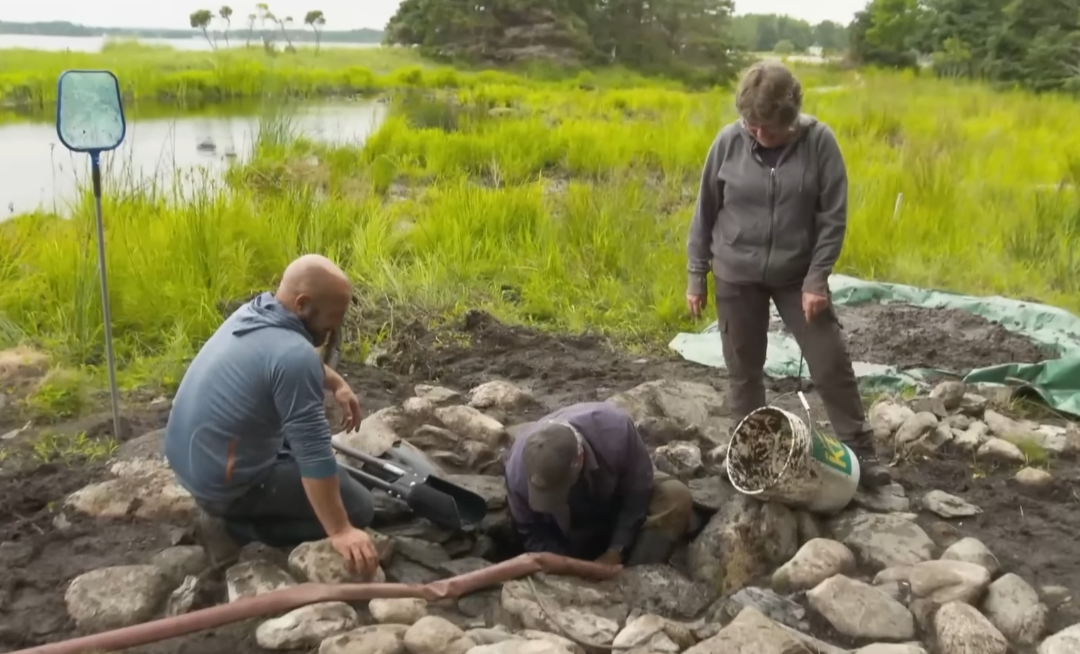
As the 2025 season progresses, the island remains a silent, heavy witness to the team’s dilemma. Rick’s eyes remain fixed on the screens, searching for the “truth” rather than just the gold. Whether the team chooses to drill or dig, one thing is certain: Oak Island is no longer just a treasure hunt. It is a battle between modern technology and an ancient secret that refuses to be unearthed without a fight.