BEYOND THE MONEY PIT: 17th-Century Tunnels and Medieval Brooches Unearthed in Pivotal Week for Oak Island
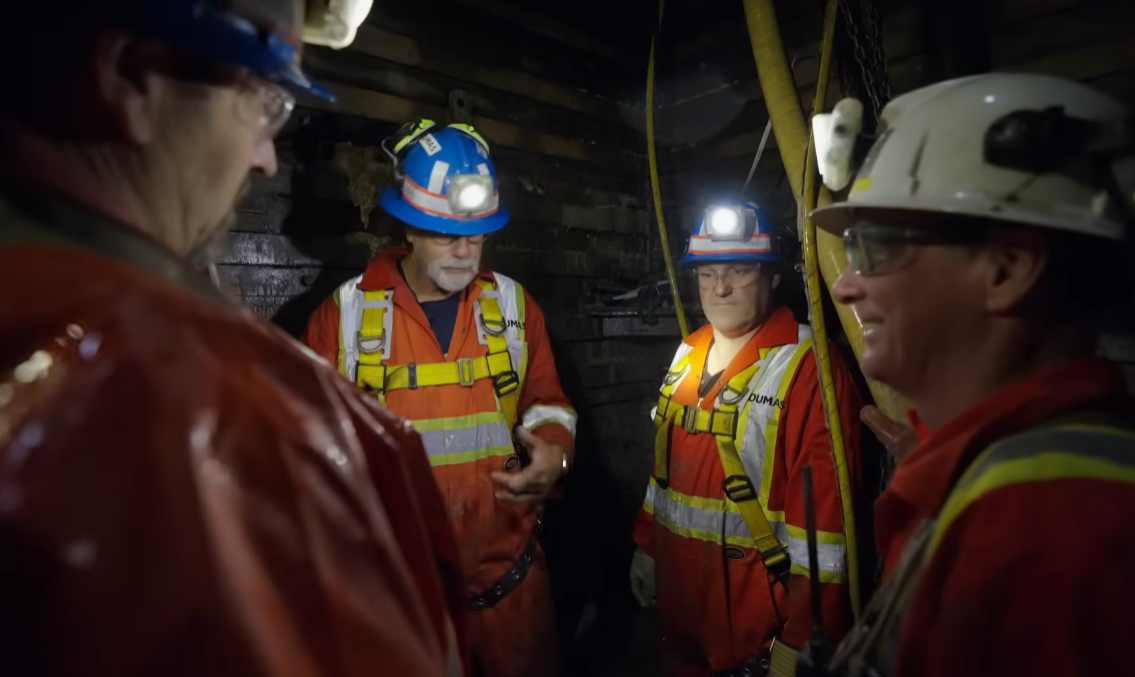
The long-standing mystery of Oak Island has entered a high-stakes new phase this week as the fellowship led by Rick and Marty Lagina secured physical proof of a pre-18th-century “treasure tunnel” and recovered a stunning jeweled artifact nearly a mile from the original dig site.
“Chills” at 100 Feet: The Garden Shaft Discovery
In what Rick Lagina described as a “pivotal moment,” the team descended into the Garden Shaft to inspect a large section of an exposed wooden tunnel. Located 100 feet underground, the structure features massive, adze-cut beams—a hallmark of craftsmanship used in ship and home construction until the 1700s.
“To get down there and realize there is hard evidence that the tunnel is not an interpretation, but real… you get a little bit of chills,” Rick Lagina noted while standing within the damp, timber-lined vault. Carbon-14 testing conducted earlier this year on core samples already placed the wood in the 17th century. The team is now working to remove entire beams for additional testing to determine if the structure represents “original depositor” work.
The tunnel has already yielded mysterious metal fragments. Metal detection expert Gary Drayton and Steve Guptill recovered several shaped metal pieces from the muck, which are currently being analyzed by the team’s laboratory to determine if they are structural hardware or artifacts left behind by the builders.
The “Brooch Brothers” Strike Again
While the heavy machinery roared at the Money Pit, a search of Lot 21 on the western side of the island produced a “holy-schmoly moment” for the crew. Drayton, scanning near the foundation of the original Daniel McGinnis home, unearthed a heavy, ornate jeweled brooch featuring a prominent red gem.

The find is remarkably similar to a 16th-century brooch discovered on Lot 8 last year. Its location—nearly a mile from the Money Pit—suggests that historical activity on the island was far more widespread than previously thought. “If it predates searcher activity, it’s an absolute excellent find,” said Rick Lagina, noting the weight and craftsmanship of the piece.
The Swamp’s Silent Sentinel
The investigation also returned to the triangle-shaped swamp, where Billy Gerhardt unearthed a curved piece of wood identified as a “runner” or keel-protector from a wooden boat. This find adds to a growing collection of maritime debris in the area, some of which has dated as far back as the 8th century.
Excavation at the southern border revealed a vertical and horizontal wooden wall, possibly the “dam” reported by late treasure hunter Fred Nolan decades ago. Geoscientist Dr. Ian Spooner noted that the structure is embedded in the same distinct “red clay” found beneath the island’s mysterious stone road. Experts speculate the feature may have served as a loading platform or wharf for offloading cargo from large sailing vessels directly into the heart of the island.
The Search Ahead
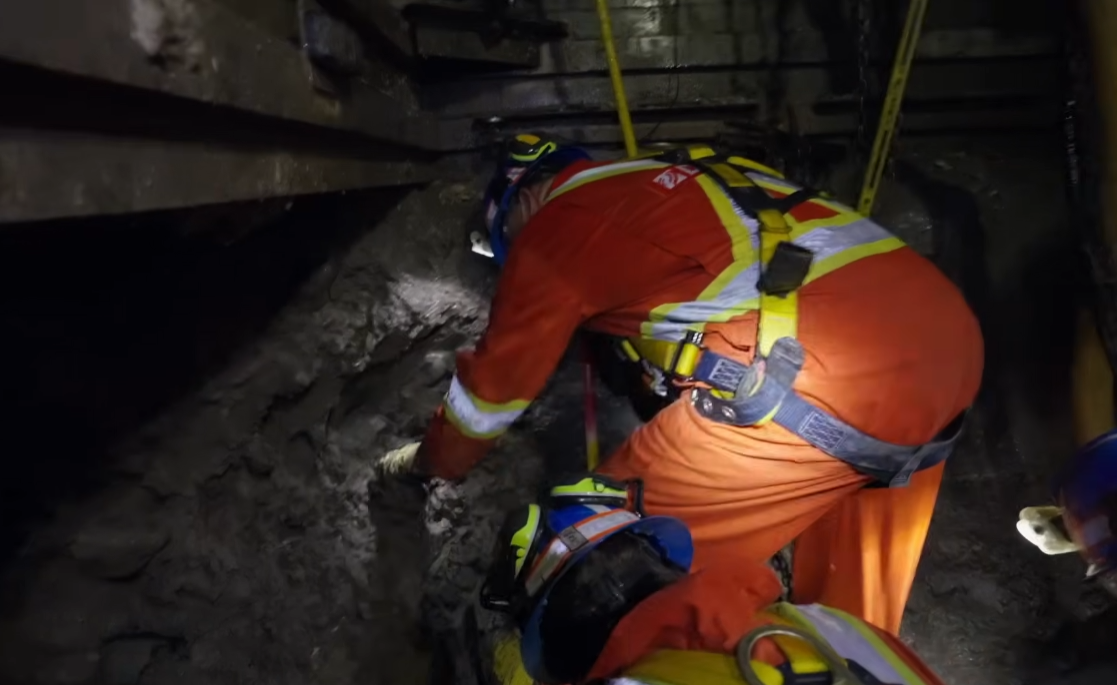
As the team stabilizes the 100-foot tunnel, representatives from Dumas Contracting Limited are preparing a probe-drilling operation. The goal is to pinpoint the exact source of precious metals detected in the nearby “Baby Blob” anomaly. For the fellowship, the convergence of medieval artifacts, 17th-century engineering, and ancient maritime evidence suggests that the mystery of Oak Island is not one story, but a complex tapestry of history spanning generations.