BREAKTHROUGH AT THE GARDEN SHAFT: Solid Proof of Man-Made Structure Confirmed
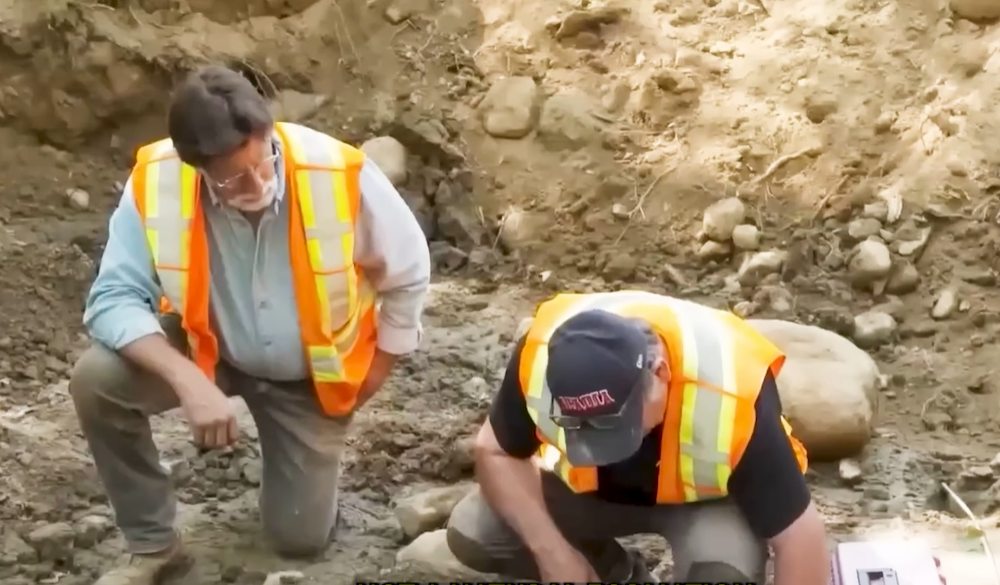
After 228 years of speculation, cave-ins, and vanished fortunes, the Oak Island mystery has transitioned from legend to verifiable history. Rick and Marty Lagina, leaders of the island’s most technologically advanced search, have confirmed the discovery of a deliberate, engineered structure deep beneath the surface—marking what many experts are calling the most significant turning point in the island’s storied history.
Evidence in the Mud
The breakthrough centers on the “Garden Shaft,” an area mere feet from the suspected original Money Pit. While reopening the passageway, the team encountered dense, tightly compacted backfill at a depth of 23 feet. Unlike the chaotic debris of a natural collapse, this soil appeared layered with intention.
Scientific validation quickly followed the physical discovery. Timber fragments recovered from the shaft were carbon-dated to 1735, a date that precedes the official discovery of the Money Pit by sixty years. Furthermore, sophisticated water testing revealed measurable traces of silver and gold particles suspended in the groundwater—not microscopic dust, but detectable concentrations rising from a source located further below.
The Descent of a Lifetime
For Rick Lagina, who has pursued this mystery since childhood, the discovery became personal this week as he performed a historic descent into the reinforced 80-foot shaft. Surrounded by original 18th-century timbers and hand-shaped clay walls, Lagina described the experience as a “step into another century.”
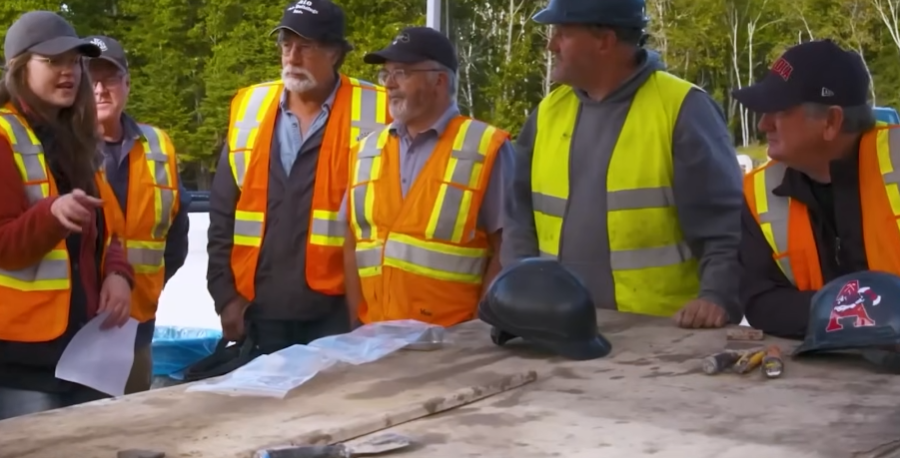
“This is not a natural collapse,” Lagina stated from the base of the excavation. “It is deliberate design.”
The evidence of engineering was corroborated by Roger Forton and Scott Barlow, who monitored high-definition camera feeds showing narrow, controlled corridors and preserved structural walls. At the 93-foot mark, a probe drill struck solid wood, with the foreman reporting a “99.9% certainty” of a man-made structure bordering the north side of the shaft.
[Image: Rick Lagina standing at the base of the Garden Shaft, touching a 300-year-old timber brace]
“Non-Ferrous and Consistent”
Metal detection expert Gary Drayton provided the final piece of the seasonal puzzle. Using a CTX3030 detector calibrated to ignore iron scrap, Drayton identified a “tight and concentrated” signal at the muddy base of the shaft. The signal was described as clean and non-ferrous, suggesting the presence of precious metals—potentially gold or silver—embedded beneath the ancient floor.
“The beeps weren’t scattered; they were clustered and consistent,” Drayton noted. “That suggests intention—something meaningful remains buried there.”
Winter Planning for a Decisive Spring
While the team was forced to pause operations due to seasonal weather and permit limitations, the atmosphere on the island is far from discouraged. Canadian authorities, recognizing the scientific weight of the recent findings, have granted provisional approval for an expanded subterranean investigation next season.
The “Baby Blob,” a western anomaly previously identified as a possible chamber, is now the team’s primary target. When the ground thaws, the fellowship plans to use fiber-optic cameras and robotic probes to penetrate the wooden obstruction struck this year.
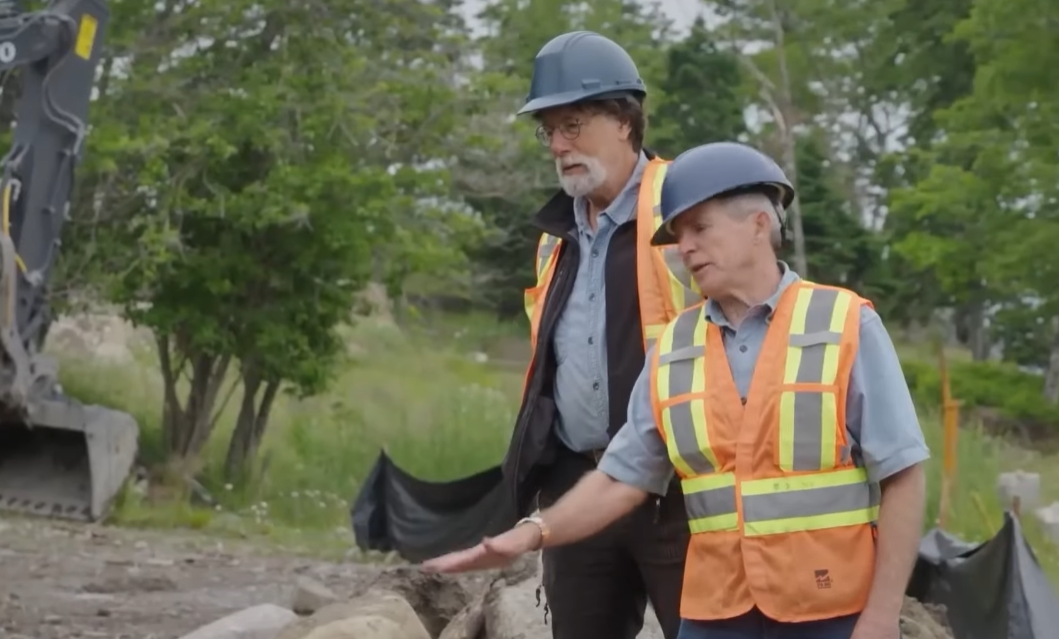
“We’re at the base of the old shaft,” Rick Lagina concluded during the final meeting of the year. “The story began centuries before any of us were born. But maybe, just maybe, we are the ones meant to close it.”
The question is no longer if a treasure exists on Oak Island, but what it is. As the team refines their strategy during the winter months, the world watches to see if the Garden Shaft is truly the “crack in the armor” that will finally expose the island’s $85 million secret.