From the Swamp to the Garden Shaft — The Clues That Are Changing Everything on Oak Island
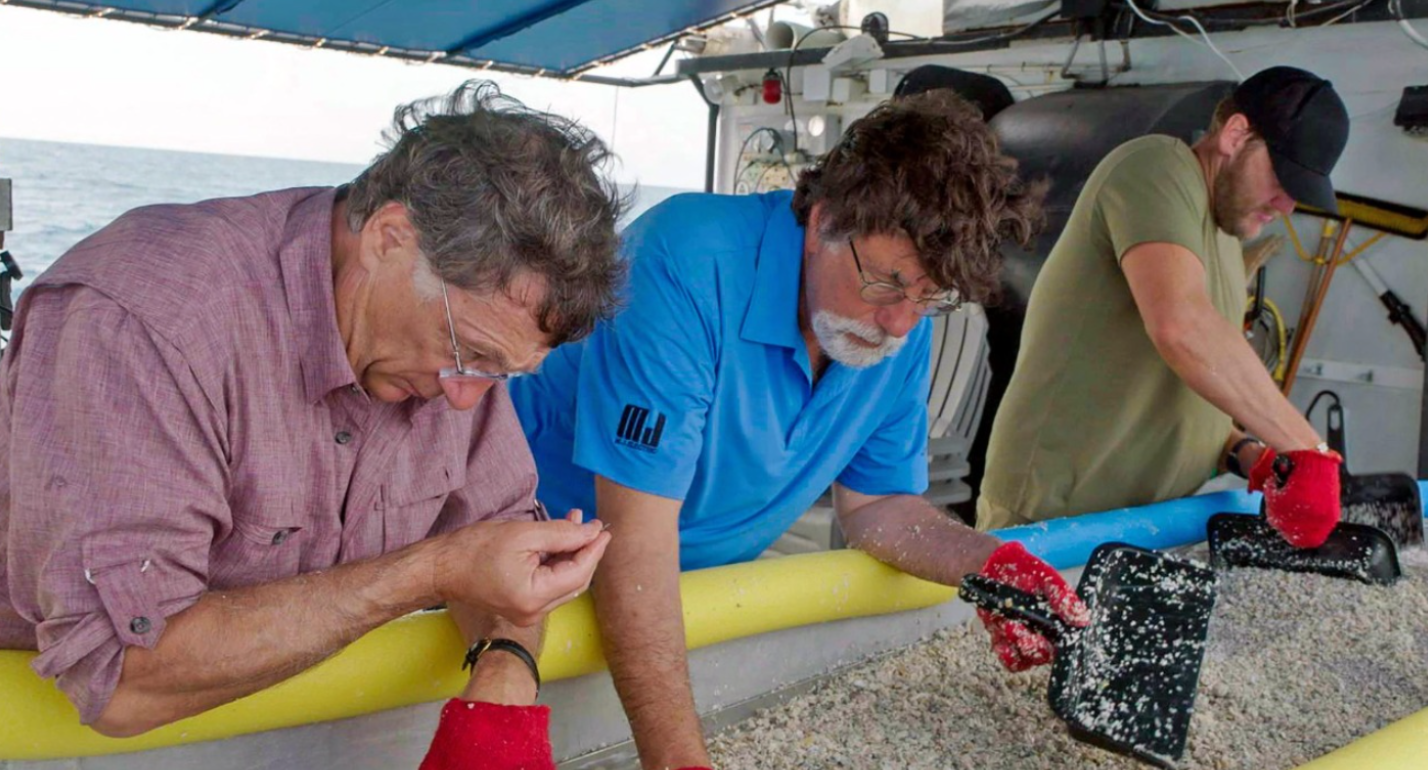
For more than two centuries, Oak Island has resisted every attempt to unlock its secrets. Generations of treasure hunters have carved tunnels, mapped anomalies, and followed legends in search of the elusive “truth” buried beneath this small stretch of Nova Scotia. But based on the latest data, findings, and on-screen developments, The Curse of Oak Island is entering what may be the most pivotal chapter in its history.
As a long-time analyst of the series, I believe the convergence of recent evidence — from the swamp to the Garden Shaft to new geoscientific models — suggests that the show is quietly setting the stage for a season unlike any before it. The clues are no longer scattered; they are beginning to align.
A New Framework: Oak Island as an Engineered Landscape
One of the most significant conceptual shifts this season is the growing acceptance that Oak Island may have been engineered on a large scale long before searchers arrived.
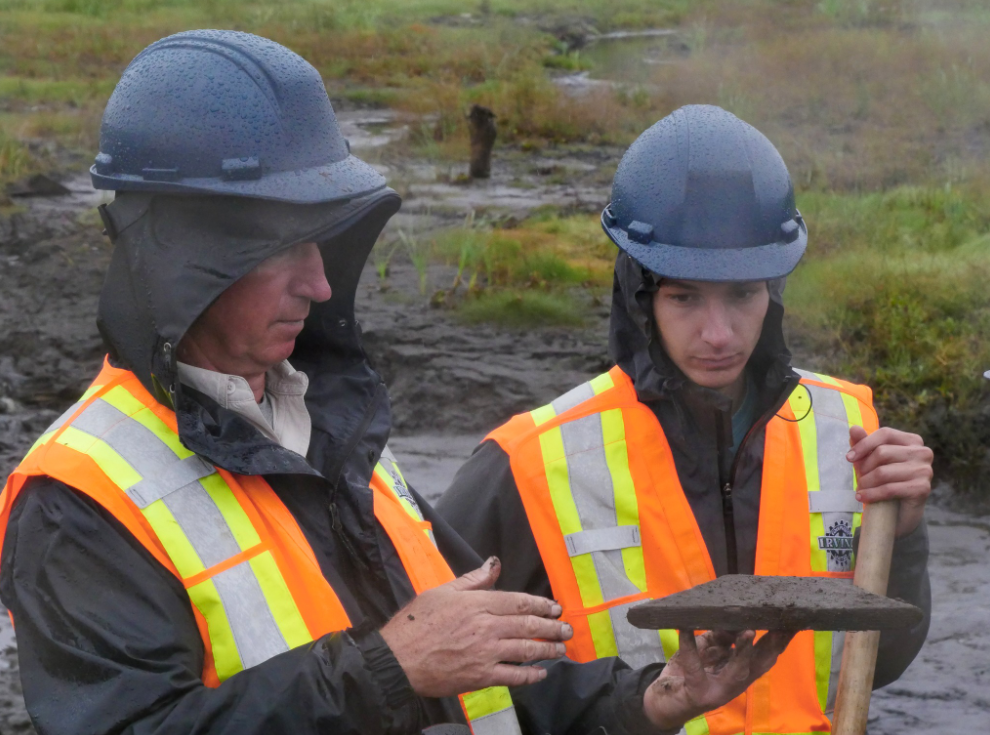
Dr. Ian Spooner’s sediment studies, combined with carbon-dated artifacts, now support the possibility that the swamp was artificially shaped. The potential timber structure or wall at its edge, the red sediment beneath the stone road, and the sudden presence of ship-building materials from the 15th to 18th centuries all point in the same direction: someone altered this landscape for a purpose.

If the swamp really was a man-made or modified feature, this has sweeping implications. It suggests a coordinated design — not random accidents or searcher debris — and may indicate:
a staging area for ships
a water-management system for deep tunneling
or a concealment strategy for movement or storage
These are not minor possibilities; they redefine the island’s original narrative.
And the more the team excavates the swamp’s perimeter, the more they appear to be approaching a deliberate structure — likely predating the Money Pit itself.
The Garden Shaft Tunnel: A Game-Changer in the Making
The carbon-dated 17th-century tunnel intersected near the extended Garden Shaft may be the most important find of the modern search era.
If this tunnel truly predates the 1795 discovery by a century, several conclusions follow:
There was organized underground activity long before searchers arrived.
Whoever built the system had tools, engineering knowledge, and resources.
The Money Pit was not a natural sinkhole or a haphazard deposit — it was part of a designed network.
This tunnel could represent a route for transporting valuable materials to a deeper vault, or an access point for a drainage system that the original builders needed to keep secret.
Based on the show’s pacing, we may soon see the team open direct access to this tunnel. If structural integrity allows, they may follow its direction to determine whether it leads toward the Money Pit or a secondary chamber — possibly explaining why collapse material and fragments of gold-bearing wood have been spread across multiple areas.
Gold in the Wood and Gold in the Water: A Significant Indicator
Microscopic flecks of gold embedded inside ancient timber remains one of the most decisive forensic clues ever found on the island.
Gold does not naturally appear inside wood fibers unless the wood was:
part of a container holding gold
exposed to gold dust or gold-bearing water
or physically in contact with treasure material
When combined with trace gold detected in water at Smith’s Cove, a pattern emerges:
Gold existed in significant quantity underground — and it has been slowly migrating outward through hydrogeological pathways.
From an analytical standpoint, this suggests the presence of a central “source zone” where gold was stored or handled. Current drilling targets like the “blob” and the deeper RP-series shafts may be converging on this zone.
My prediction?
If the team continues drilling between the Garden Shaft tunnel and the blob’s anomalies, they may isolate the area with the highest concentration of gold signals — the strongest candidate yet for an original deposit chamber.
The Templar Geometry and Underground Map: A Major Turning Point — If Proven
The claim that new ground-penetrating radar maps reveal a geometric tunnel layout resembling Templar symbology should be treated cautiously — but not dismissed.
The Templars, if involved, would have constructed:
multi-chamber vault systems
angled corridors
protective decoy tunnels
All consistent with the kind of layout being reported.
If independent validation confirms that the underground voids align with known Templar geometric patterns (such as the octagon or sacred cross layouts), this could rapidly shift the investigation’s historical framework.
And the most explosive claim — sealed canisters reportedly containing ancient texts — would be the most significant find in Oak Island history. While still unverified, such a discovery would fit with long – held theories that documents, not gold, were the island’s true treasure.
What Comes Next: The Season Ahead
Based on all data points, here are the strongest predictions:
1. The 17th-century tunnel will prove to be original, not searcher work.This will become the backbone of the investigation moving forward.
2. The swamp structure will be exposed as engineered, possibly a slipway or dam.
3. Gold traces will intensify, guiding the team toward a central vault.
4. A major subsurface chamber may be encountered within the next drilling phase.
5. If ancient texts exist, the show will likely reveal the container first — not the contents — to maintain secrecy and suspense.
Conclusion: Oak Island Is No Longer Just a Legend
For the first time in decades, the clues are not contradicting one another — they are aligning. The swamp, the Garden Shaft, the gold traces, the medieval artifacts, and the geometric anomalies all point toward intentional engineering and purposeful concealment.
And that means one thing:
The Oak Island mystery may be closer to its final chapter than ever before.