New Discovery on Oak Island: Ancient Coin Found Near Mysterious Features on Lot 5
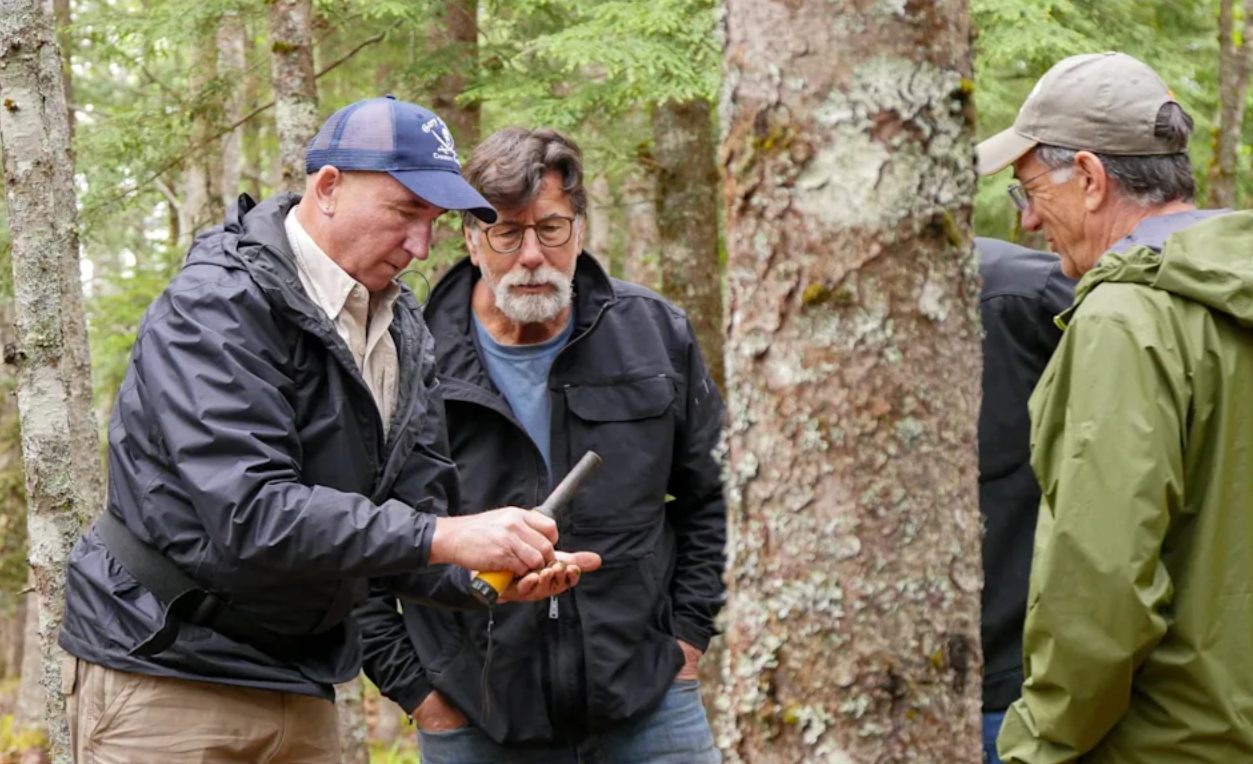
The Oak Island team has uncovered a potentially game-changing artifact during their continued investigation of Lot 5, a location that has steadily become one of the most intriguing hotspots in recent seasons of the long-running treasure-hunting series. Led by Marty Lagina, his nephew Peter Fornetti, and metal detection specialist Katya Drayton, the team found both a cast-iron pot fragment and what appears to be a centuries-old hammered coin—discoveries that may push the historical timeline of activity on Oak Island further back than ever before.
The day began with routine exploration near the beach, where a rectangular feature and a rounded stone foundation have been subjects of ongoing scrutiny. Lot 5, once considered a peripheral target, has yielded enough unusual finds in recent years that team members now regard it as one of the most promising areas outside the famed Money Pit. “Lot 5 has been a better place to look than just anywhere,” Marty remarked as the team swept the disturbed ground where machinery had recently moved soil.
The first significant discovery came when Katya’s detector signaled a deep, non-ferrous target. Moments later, the team uncovered a curved piece of cast iron with what appeared to be a fastener or attachment point. “That’s not just a shard,” Marty said as the group examined the object. With enough complexity to warrant laboratory review, the artifact was bagged and taken for analysis.
Later, at the Oak Island laboratory, archaeologist Laird Niven and materials specialist Emma Culligan revealed the results. The fragment, they confirmed, was part of a cast-iron pot dating back to at least the 1700s, and possibly even the 1600s. The iron’s elevated phosphorus content—a trait associated with early cookware production—supported the early date range. “This would have been brittle in colder climates, which suggests a pre-1800s origin,” Emma explained. If the dating holds, the artifact aligns with a period well before most documented European activity on the island, raising new questions about who might have been present along the shoreline centuries ago.
But the more dramatic moment of the day unfolded back on Lot 5.

As Marty and Katya extended their search south of the rounded stone feature, another strong non-ferrous signal caught Katya’s attention. After lifting a rock and clearing soil, the detector registered a much sharper response. Moments later, Katya unearthed a thick, irregularly shaped object coated in the characteristic green tint of aged copper.
“Oh my gosh,” Katya said as she brushed away the dirt. “It almost looks like there’s a cross on it.”
Marty quickly agreed the find resembled a coin. Excited by its apparent age and unusual design, he phoned his brother Rick and summoned master metal-detection expert Gary Drayton to the site. Gary’s first reaction affirmed their hopes. “That is… oh, that’s nice,” he said after studying the piece. “Definitely not a button. That’s a coin. This is pre-1600s.”
If correct, the discovery could represent one of the earliest European artifacts ever found on the island. Gary noted the partial lettering on the coin’s edge, the thickness of the copper, and the irregular “hammered” shape—traits often associated with 16th-century coinage. Katya added that older metals frequently have purer compositions, which would explain the artifact’s surprisingly strong condition compared to other degraded finds from the same area.
The significance of the coin is amplified by the fact that Lot 5 has already produced a series of authenticated Roman-era coins, verified through metallurgical testing in previous seasons. The discovery of another ancient coin in close proximity to the rectangular and rounded stone features intensifies speculation that Lot 5 may have been a site of repeated visits—or even long-term activity—spanning multiple cultures and centuries.
“This thing might mean something,” Marty said earlier in the day while examining the cast-iron pot fragment. But after the coin discovery, the mood shifted from cautious optimism to outright excitement. “The more you look at it, the more stuff you can see on it,” Gary said. With CT-scanning and microscopic analysis planned, the team hopes the coin’s markings will reveal not only its origin but potentially the identity of those who dropped it.
Rick, who has long viewed Lot 5 as “a mystery wrapped in an enigma,” held the coin with visible enthusiasm. “I can see things on the face,” he commented. “The coin will tell you what it is, and that provides immense hope.”
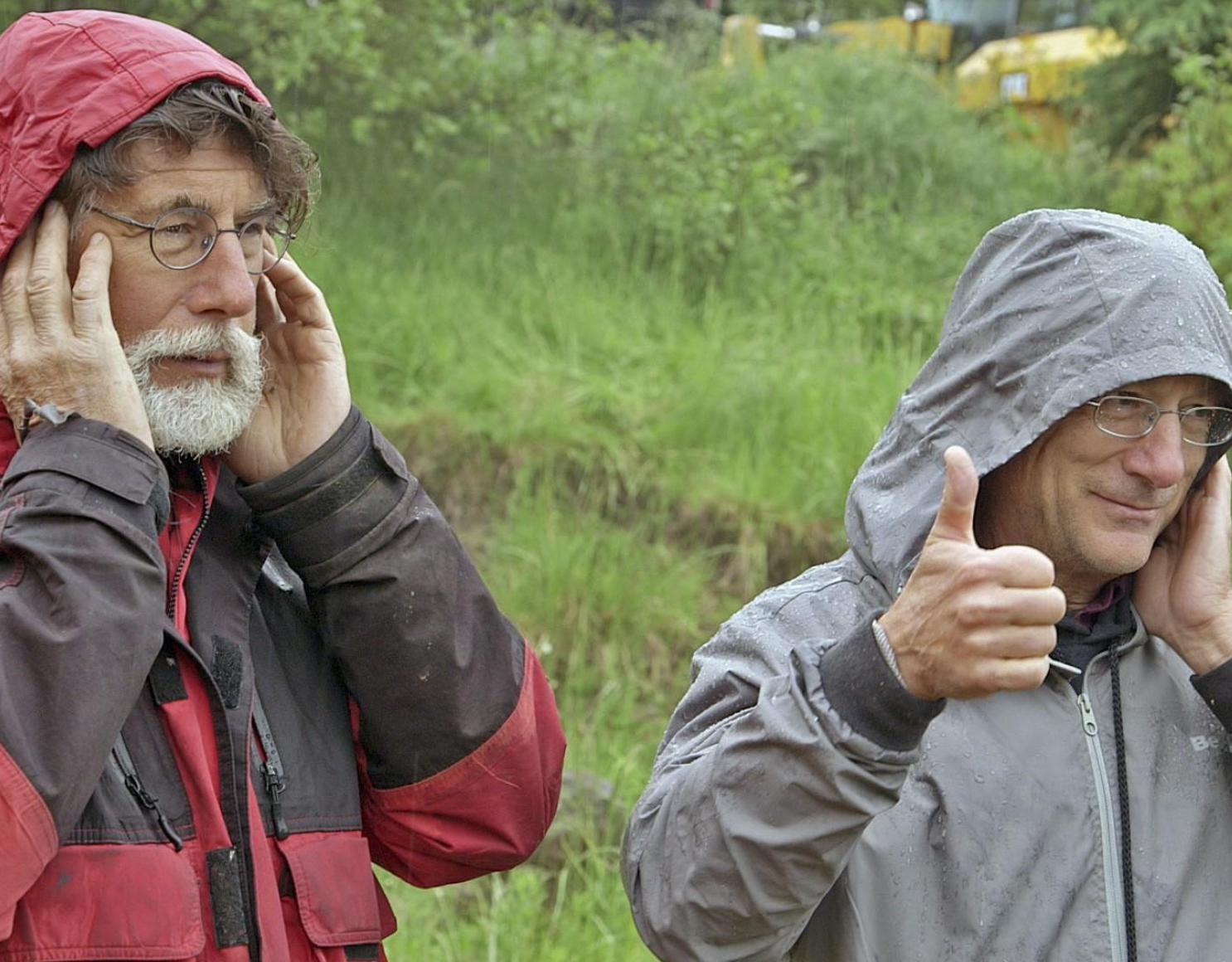
If the artifact proves to be pre-1600s—or even earlier—it could strengthen theories suggesting that Oak Island’s enigmatic structures were constructed by visitors whose presence predates English settlement in the region. Whether Portuguese explorers, early French traders, or another unknown party left the coin behind remains to be seen.
For now, the artifact is on its way to the Oak Island lab for detailed imaging, compositional testing, and inscription reconstruction. The results could reshape the team’s understanding of the site and potentially push the origins of Oak Island’s mystery even further into the past.
As Rick stated while congratulating Katya: “That’s a top-pocket find.” And on Lot 5, it may be one of the most important ones yet.