New Evidence Suggests the Long Search May Be Entering Its Final Chapter!!
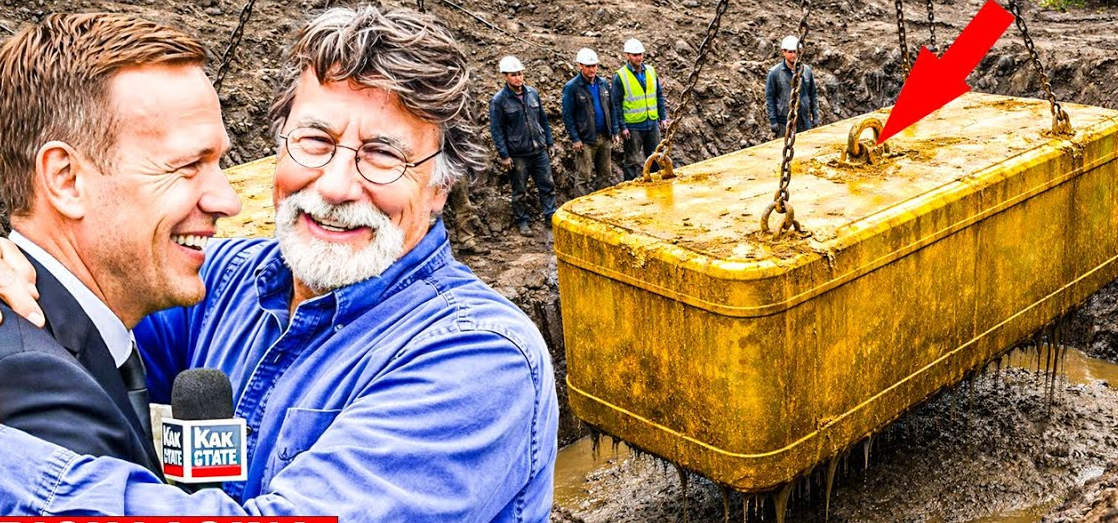
For more than two centuries, The Curse of Oak Island has been defined by frustration, perseverance, and unanswered questions. Every generation of searchers believed they were close, only to be stopped by flooding shafts, collapsing tunnels, or evidence that raised more questions than answers. But in 2026, the narrative surrounding Oak Island appears to be entering an entirely different phase—one driven not by digging, but by data.
Unlike past discoveries that relied on physical artifacts such as coins, wooden timbers, or stone markers, the latest breakthrough comes from advanced subsurface analysis. AI-assisted modeling, combined with ground-penetrating radar, density mapping, and muon tomography, has revealed something unprecedented: a concentrated mass between 90 and 110 feet below ground with a density measured at eight to ten times that of surrounding soil. According to multiple experts consulted by the team, such readings are incompatible with natural geological formations.
This discovery alone would be significant. But its true weight lies in its location. The anomaly sits in the same depth range as previously documented wooden platforms, water-filled voids, and suspected flood tunnels—features long believed to be part of an intentionally engineered system rather than a random accumulation of underground debris. For the first time, the data suggests not just scattered construction, but a unified, sealed structure.
A Reaction That Said More Than Words
Perhaps the most telling moment came not from the data itself, but from the team’s response. Viewers accustomed to enthusiasm and speculation instead witnessed silence. Rick Lagina, often the emotional heart of the operation, appeared visibly restrained, absorbing the implications rather than celebrating them. His brother Marty Lagina, typically pragmatic and outspoken, chose his words carefully, emphasizing caution over excitement.
For longtime observers of the series, this tonal shift is notable. It suggests the team recognizes that they may have crossed from a treasure hunt into something far more consequential—possibly even dangerous.
Engineering Beyond Its Time?
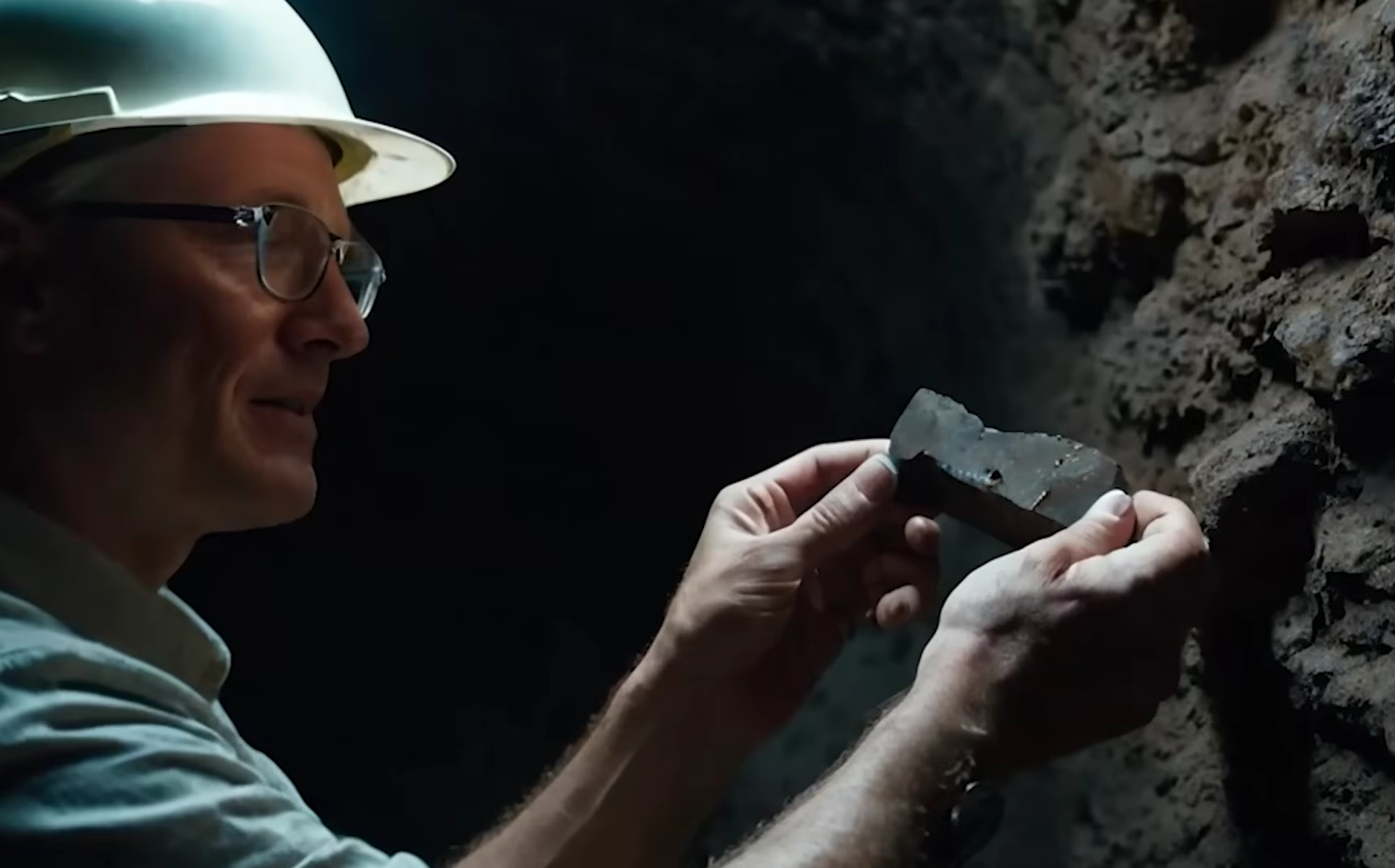
One of the most unsettling implications of the 2026 data is what it says about the original builders of Oak Island. The flood tunnel system associated with the Money Pit has long been viewed as ingenious, but fragmented. Now, evidence points to something more deliberate: a sealed, dense structure positioned precisely where water pressure, soil conditions, and depth would work together to discourage intrusion.
If confirmed as human-made, this structure would represent engineering capabilities that appear advanced even by modern standards. Precision in tunnel angles, controlled flooding mechanisms, and the use of dense materials at depth all suggest a level of planning inconsistent with casual or temporary activity. This was not a hiding place constructed in haste—it was designed to endure.
Technology’s Quiet Revolution
What makes 2026 different from every previous attempt is not ambition, but restraint. Instead of rushing to drill, the team prioritized non-invasive analysis. AI algorithms integrated decades of drilling logs with modern scans to generate a three-dimensional subsurface model. Muon tomography—technology once reserved for volcanoes and pyramids—identified voids and solid masses invisible to traditional methods.
Together, these tools produced a consistent result: something large, solid, and intentionally placed lies beneath Oak Island.
The Safety Question No One Can Ignore
With discovery comes responsibility. Oak Island’s history includes documented fatalities caused by sudden flooding and collapses. Entering a sealed structure at this depth risks triggering the very mechanisms that protected it for centuries. Even a minor miscalculation could allow seawater to surge through unknown passages, endangering lives.
This reality has shifted the project’s focus. The primary question is no longer “What is down there?” but “Is it safe to proceed?” Delays, additional permits, and extended safety reviews have slowed progress, frustrating viewers but underscoring the seriousness of the moment.
Who Built It—and Why?
Speculation remains unavoidable. Theories range from European explorers safeguarding valuable cargo to organized groups such as the Knights Templar, known for both wealth and secrecy. Others point to merchant networks that required secure storage far from political instability. What unites these theories is the assumption of resources, manpower, and long-term intent.
Whoever constructed Oak Island’s underground system was not improvising. They expected intrusion—and planned for it.
Value Beyond Gold
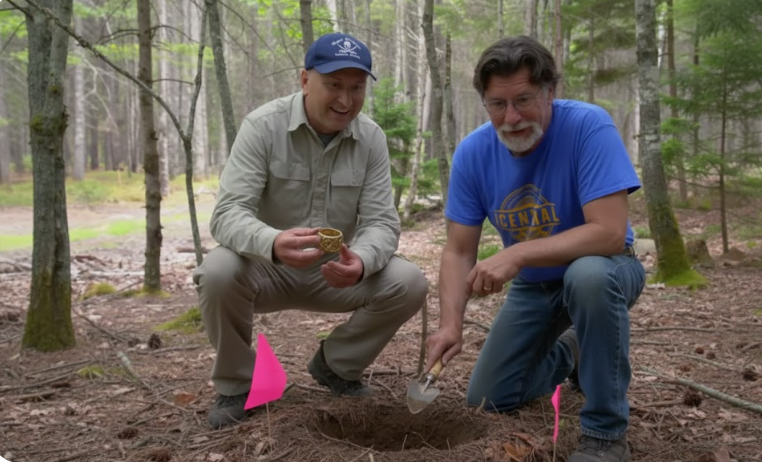
While estimates suggest the material value of interconnected structures and contents could reach $300–500 million, the greater significance may lie elsewhere. Manuscripts, symbols, or artifacts that contradict accepted historical timelines would force scholars to reconsider early transatlantic activity. Such a revelation would not merely enrich finders—it would reshape historical discourse.
A Decision That Defines the Legacy
The Lagina brothers now face a defining choice: advance cautiously toward answers, or pause indefinitely to preserve safety. Either path carries consequences. Proceeding risks lives. Stopping risks leaving history incomplete.
As Oak Island enters this uncertain chapter, one truth is clear. The mystery has evolved. What lies beneath may no longer be just treasure—but evidence of knowledge, intent, and engineering that history has yet to fully acknowledge.
And for the first time in over 200 years, the greatest challenge may not be uncovering the truth—but deciding whether humanity is ready to face it.